Tetsuya Umeda
Tetsuya Umeda
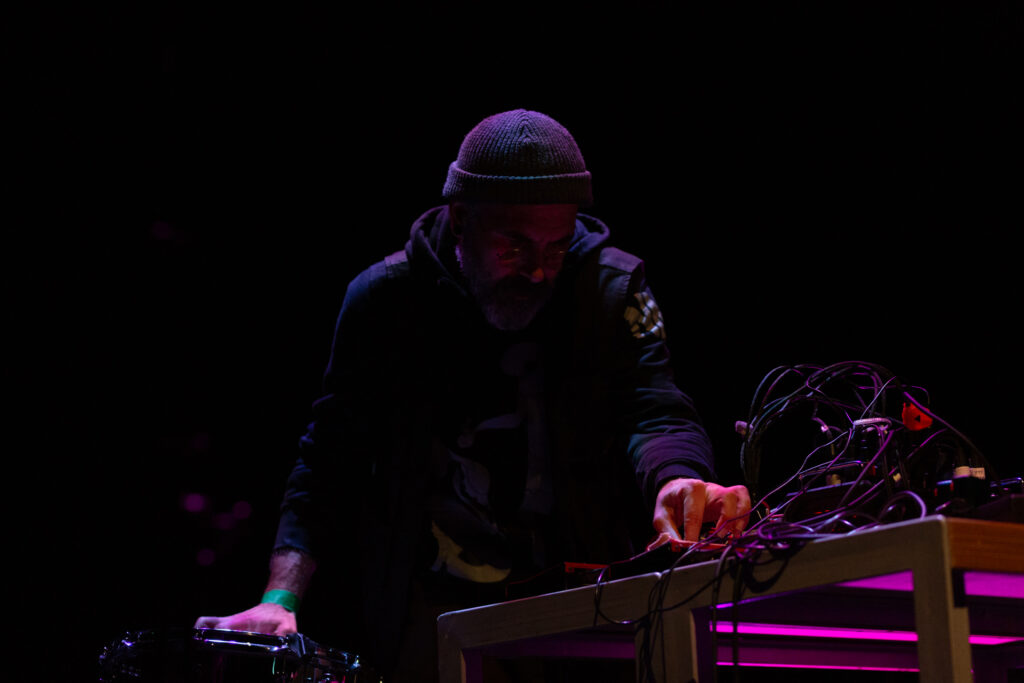
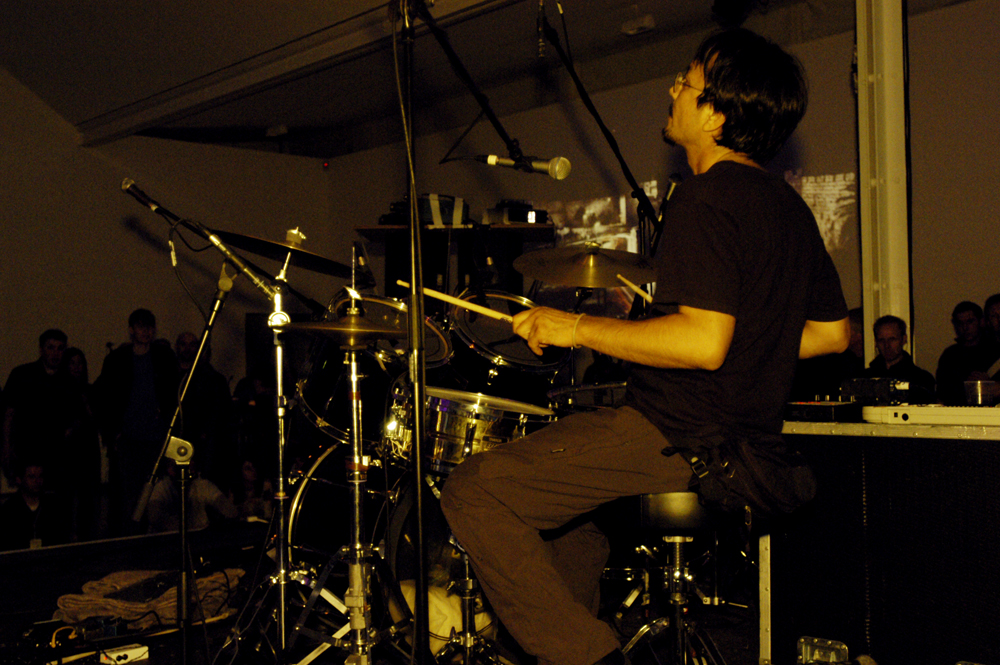
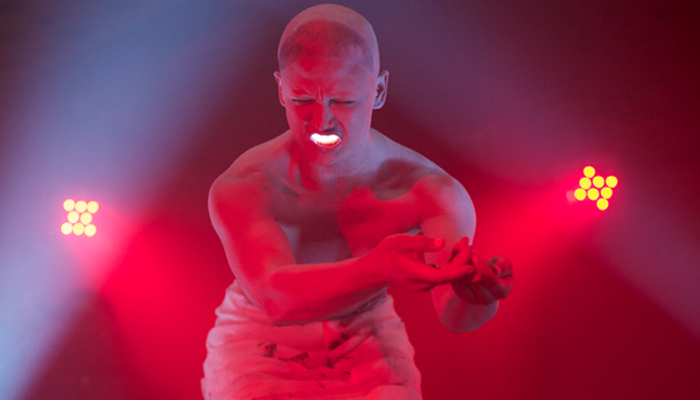
Umeda is a Japanese artist who is as fascinated in setting up interesting situations to observe, as he is in creating performances.
Arika have been creating events since 2001. The Archive is space to share the documentation of our work, over 600 events from the past 20 years. Browse the archive by event, artists and collections, explore using theme pairs, or use the index for a comprehensive overview.
Umeda is a Japanese artist who is as fascinated in setting up interesting situations to observe, as he is in creating performances.
Although Tony had visited Haino in Japan, and they played together in private, this was the first time anyone other that Haino’s cat saw them perform together.
A 3-day exploration – through performance, screenings and discussion – of the art and politics of wayward communities who refuse to be bound by the fictions of race and sex.
Three iconic figures from the Japanese underground assembled as a trio to stand in for the advertised duo of Junko and Jerome Noetinger who was unable to attend the festival due to illness.
N30 is a massive, dynamic, immersive multi-channel presentation of front-line field recordings from the protest against the WTO in Seattle
An open-ended moment in an ongoing series of films, notes, performances, diagrams and drawings which trace the questions they share. A “porous space between cinema time-space and lived time-space.”
One-shot sonic portraits of 4 houses, their inhabitants and their relationship to sound, from 2 of the most deep-thinking field-recording artists around.
Can we use sound, repetition and difference to personally and collectively engage with space, time and labour?
Performing with hand built radio transmitters, which react to interference in the atmosphere and the electrical impedance of his hands, his radio art is a form of social practice; a statement in opposition to mass media.
What to do about a telethon other than fuck it up? Poet, tarotist, artist, and librarian Cyrée Jarelle Johnson returns to IWBWYE to read the 1980s and ’90s for what those decades were: practice for now.
Hijokaidan rapidly built a following due to the overwhelmingly physical intensity of their live performances, often involving destructive onstage rituals of vomit, urine, mangled guitars and ear shredding volume.
Three (thankfully short) chats wherein we try and get at what’s eating us with regards to experimental music, and what we think might be worth salvaging.