Jean-Philippe Gross
Jean-Philippe Gross
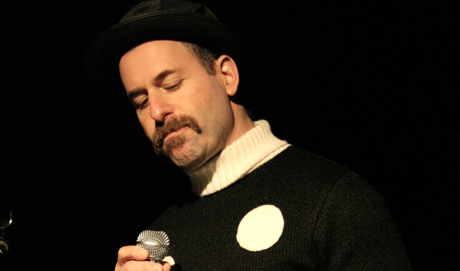
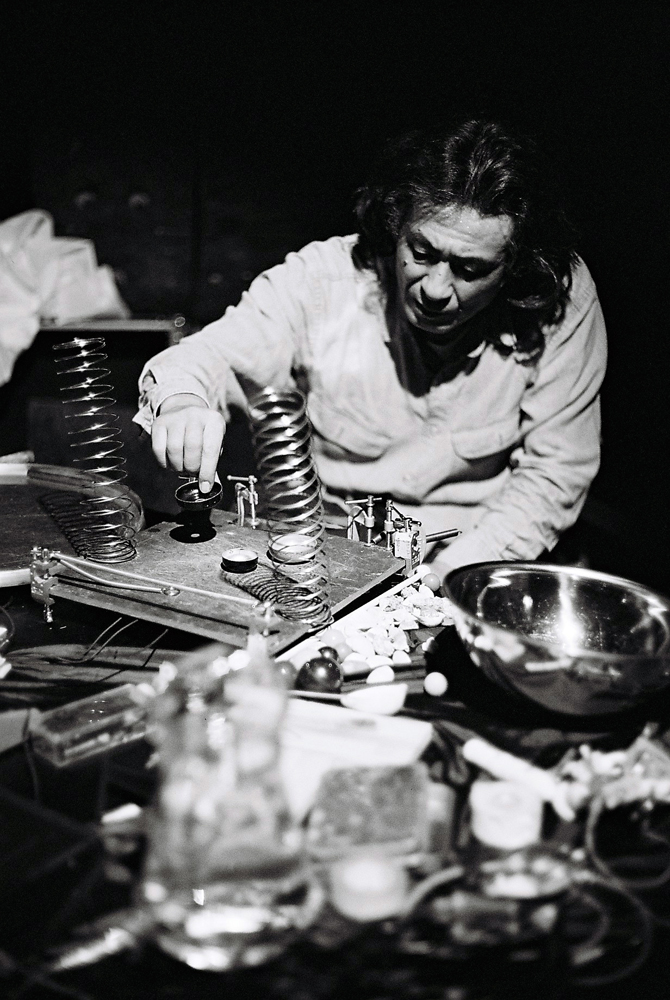
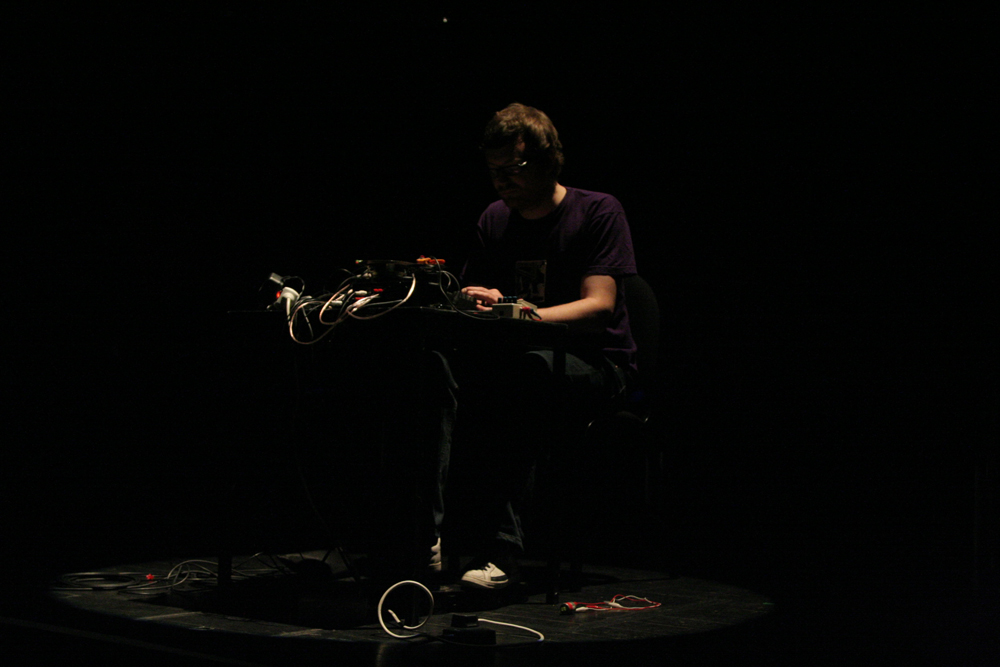
Solo by Jean-Philippe Gross, a French electro-acoustic improviser, working with mixing board, cheap mics, small speakers and an analog synth, built around a honed interest in feedback.
Arika have been creating events since 2001. The Archive is space to share the documentation of our work, over 600 events from the past 20 years. Browse the archive by event, artists and collections, explore using theme pairs, or use the index for a comprehensive overview.
Solo by Jean-Philippe Gross, a French electro-acoustic improviser, working with mixing board, cheap mics, small speakers and an analog synth, built around a honed interest in feedback.
Kenneth Goldsmith reads extracts of his conceptual poetry and Achim Wollscheid manipulates mobile phone signals.
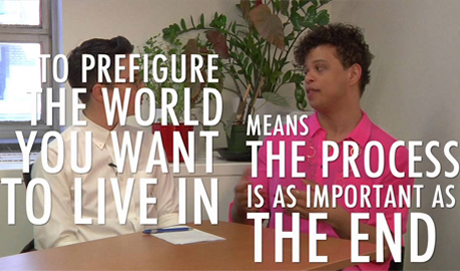
A crash-course in pre-figurative, radical, queer, anti-racist, anti-police, anti-prison, anti-deportation abolitionist politics and trans-resistance.
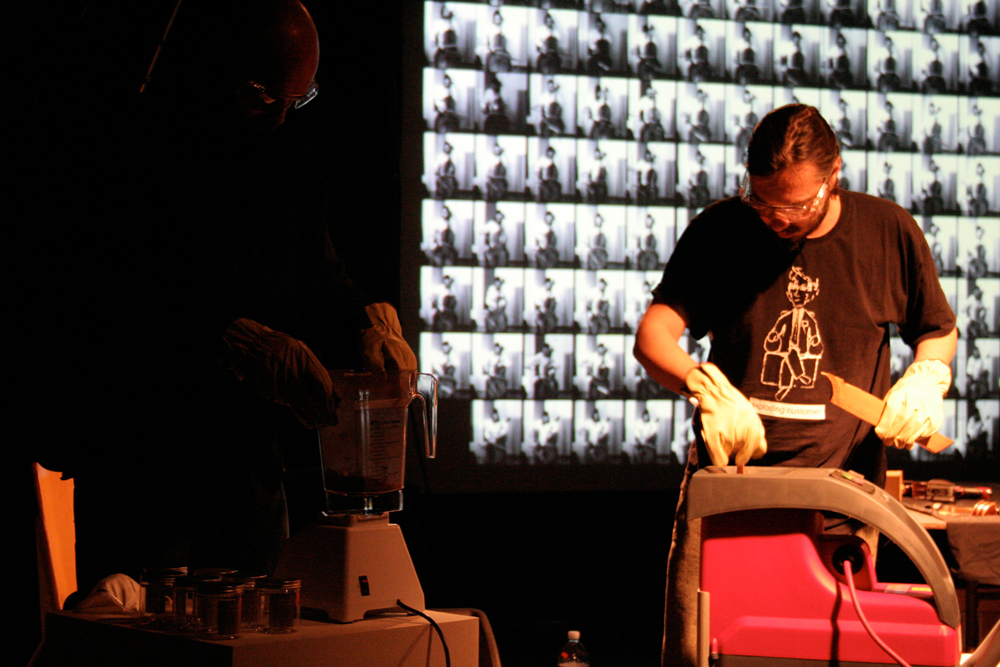
Greek TV company Onos Productions came to INSTAL 09 to document the festival and report on Nikos Veliotis’ Cello Powder performance.
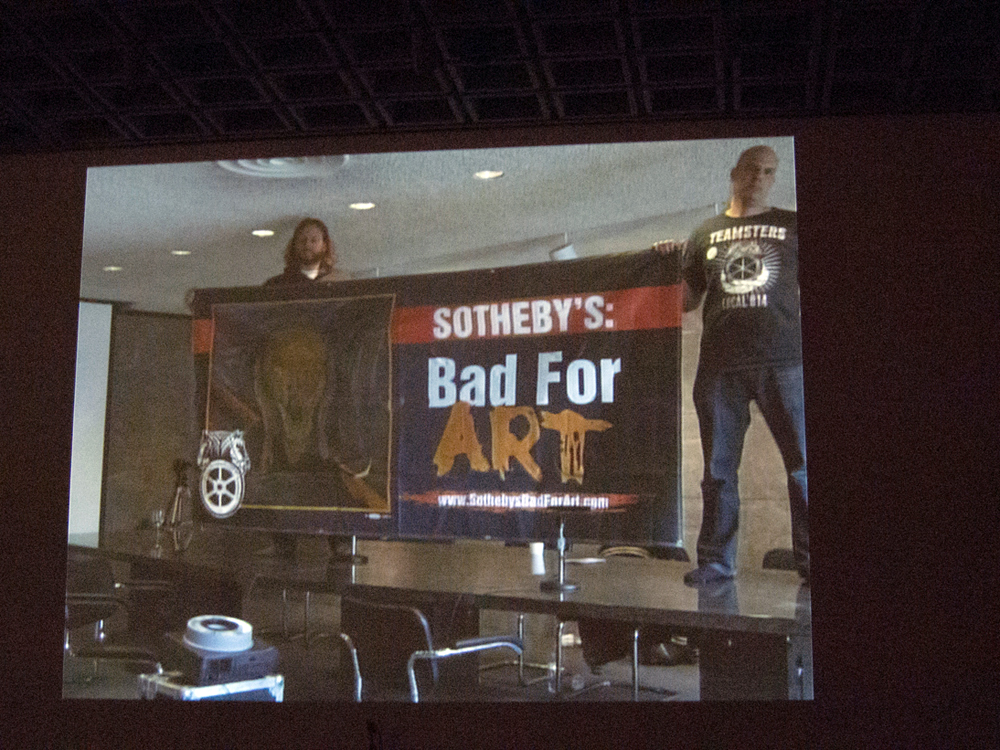
Taking The Futurist Cinema’ manifesto and turning it into software to track ‘aluminium’ online, tracing relationships companies with interests in aluminum had to each other and other agencies.
Durational group-mind drone and clatter: bamboo, electronics, the contents of your local ironmongers bin. A 3-hour set from this legendary Japanese improvisation group.
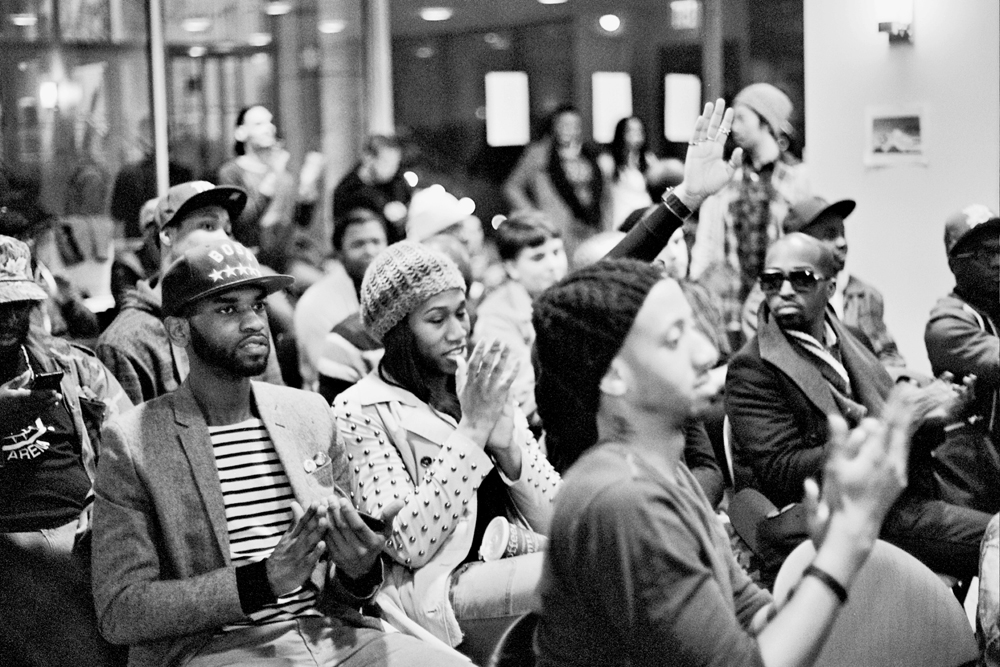
Open community meeting to discuss some of the prevalent concerns impacting the ballroom community.
The final iteration of Arika’s INSTAL festivals, the 2010 edition was an experimental festival of experimental music – 3 days of events at the Tramway that explored un-average ideas about sound and music.
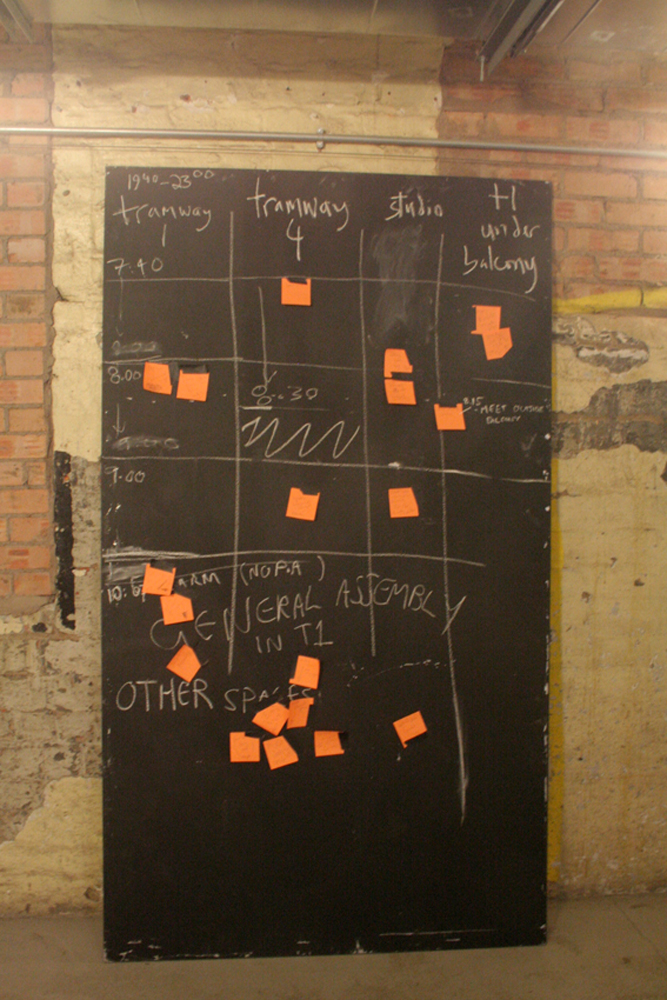
Three workshops lead up to an open invitation to improvise with the festival as concert. The last four hours of the Sunday 14 at Instal 10 were devoted to presentations devised during the three workshops. The material conditions (time, space, facilities…) were the instruments. From there anything could happen.
Taking a scalpel to the relationship between performer and audience: cutting something out to see what’s left, a drastic subtraction and shift of emphasis.
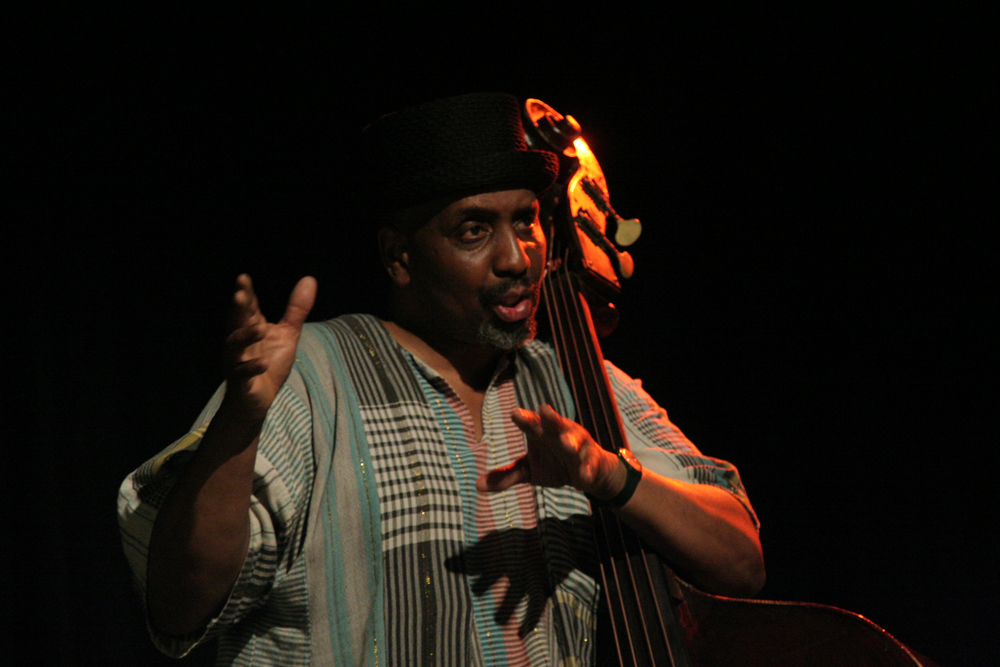
William cradles, hammers, and rains down blows, plucking and using 2 bows to attack the strings above and below the bridge, all in the service of a fiery and passionate creativity.
When one calls a strike, who hears the call, who attunes and listens to it? How to listen to the call of a strike? What prevents one from hearing this call or stops one from listening to it?