Formula [ver 1.1]
Ryoji Ikeda
Exploring the interplay between punk sinewave aggression, high-speed video sequences and stroboscopic lighting
Arika have been creating events since 2001. The Archive is space to share the documentation of our work, over 600 events from the past 20 years. Browse the archive by event, artists and collections, explore using theme pairs, or use the index for a comprehensive overview.
Exploring the interplay between punk sinewave aggression, high-speed video sequences and stroboscopic lighting
A celebration of our overabundant social entanglement and complicity, that remind us of how we can see ourselves, stripped of powers’ attempts to grasp us.
Jarringly beautiful and often maniacal expression of hallucinatory and very personal visions.
Mashed up queer fantasy of worker’s revolts, biblical demons and present-day hells, and dubbed out cyborg-electro.
In Ramayya’s visionary poetry, the body assumes as many forms as love produces states: attraction and repulsion, excitement and exhaustion, selfishness and the dissolution of self.
Craig will give a guided reading of his handbook of exemplary instances of literary listening and will be joined by one of the selected authors, Vanessa Place.
Moor Mother is a musician, Philadelphian housing activist and black quantum futurist.
Listening to people listening to their own homes. Musicians and actors will listen back to recordings made in local peoples homes on headphones, and interpret/ translate what they are hearing.
A celebration of risk taking and adventure from some of the boldest pioneers of the past 40 years, melding avant garde and underground forms of music and moving image to create new experiments and experiences in sight and sound.
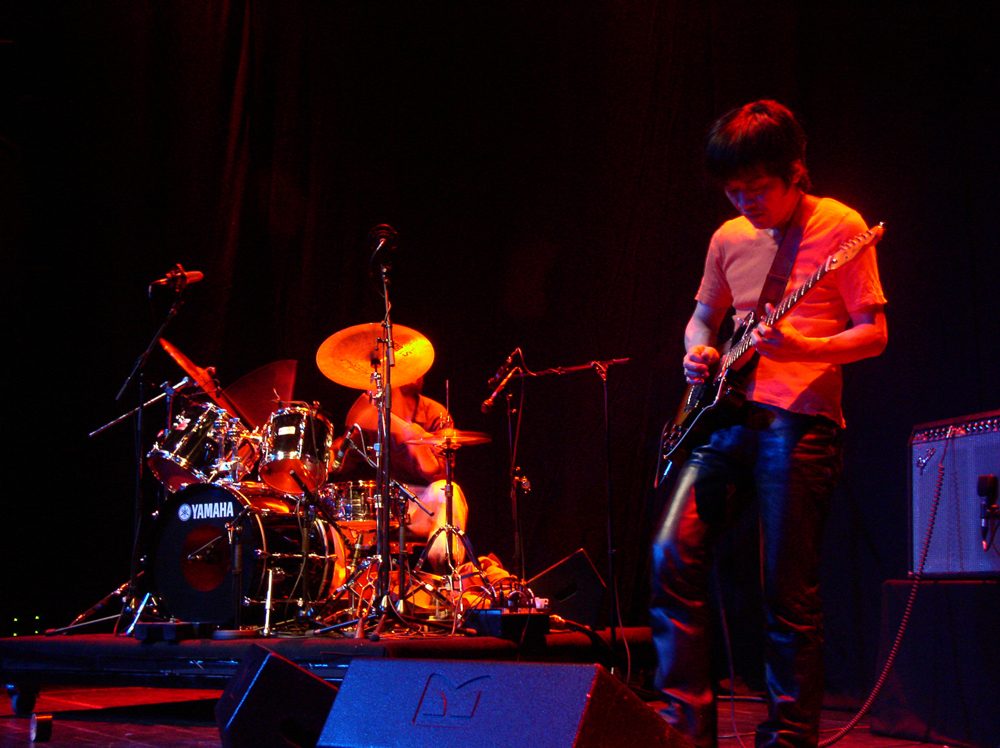
Munehiro Narita’s Kyoaku No Intention (Worst Intentions) fired out some of the most compelling no-wave improvised rock of the 80s.
Reading their letters to each other, and chatting about prefigurative politics as the practice of relentlessly building worlds through unspeakable violence and loss; of building worlds and living in them anyway.
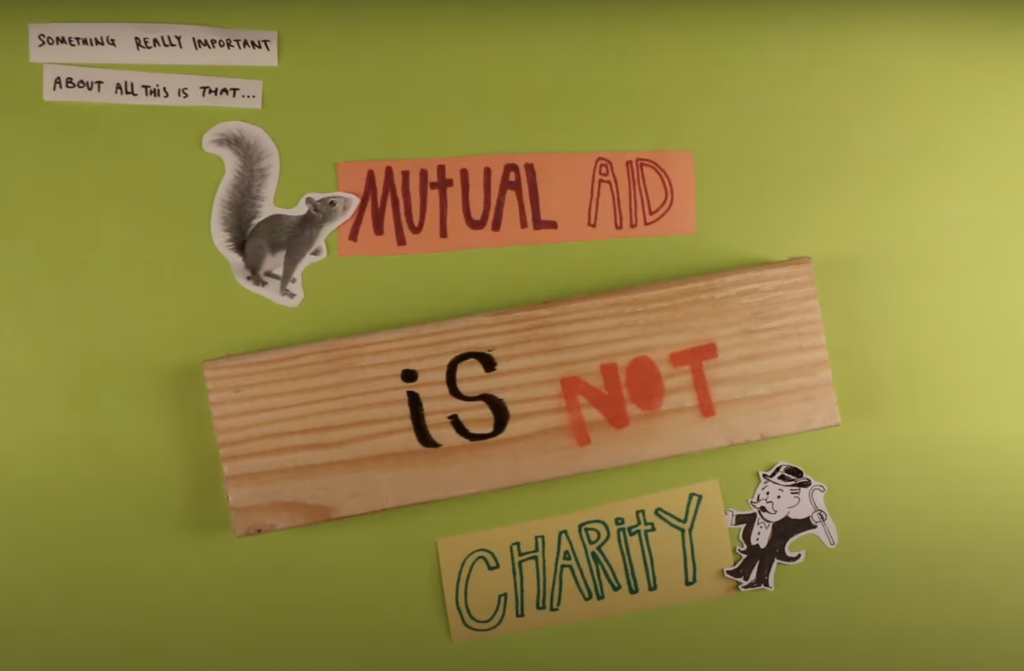
How do we make the connections between the mutual aid practices of our daily lives and anti-capitalist efforts to dismantle wider systems of exploitation?