Twenty Looks or Paris is Burning at The Judson Church (S)
Trajal Harrell
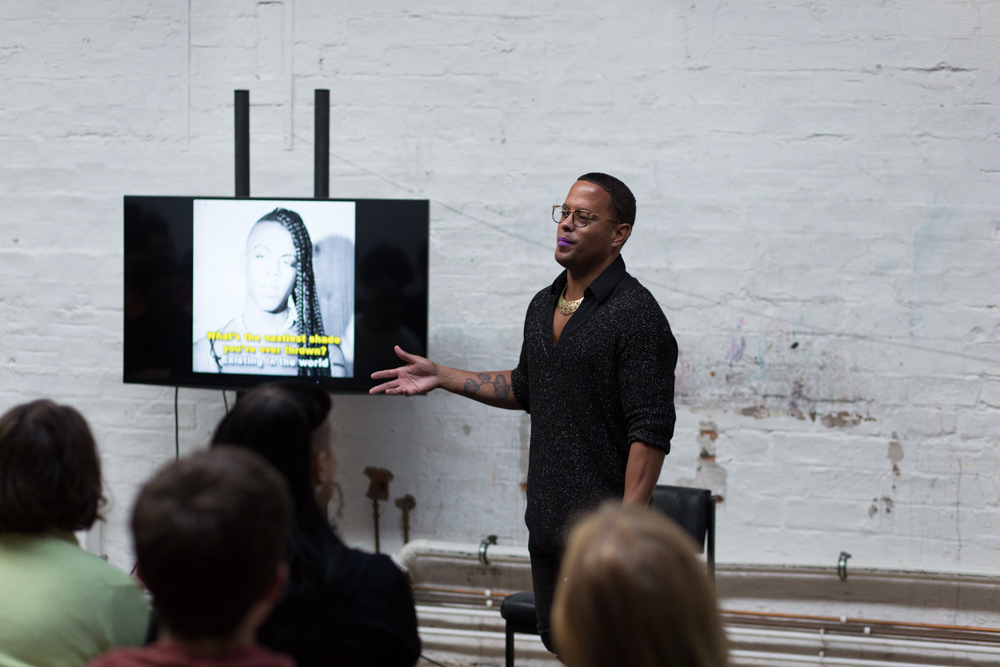
A meditation on how all of us perform — sometimes reinforcing, sometimes subverting — the shifting categories of gender, sexuality and race.
Arika have been creating events since 2001. The Archive is space to share the documentation of our work, over 600 events from the past 20 years. Browse the archive by event, artists and collections, explore using theme pairs, or use the index for a comprehensive overview.
A meditation on how all of us perform — sometimes reinforcing, sometimes subverting — the shifting categories of gender, sexuality and race.
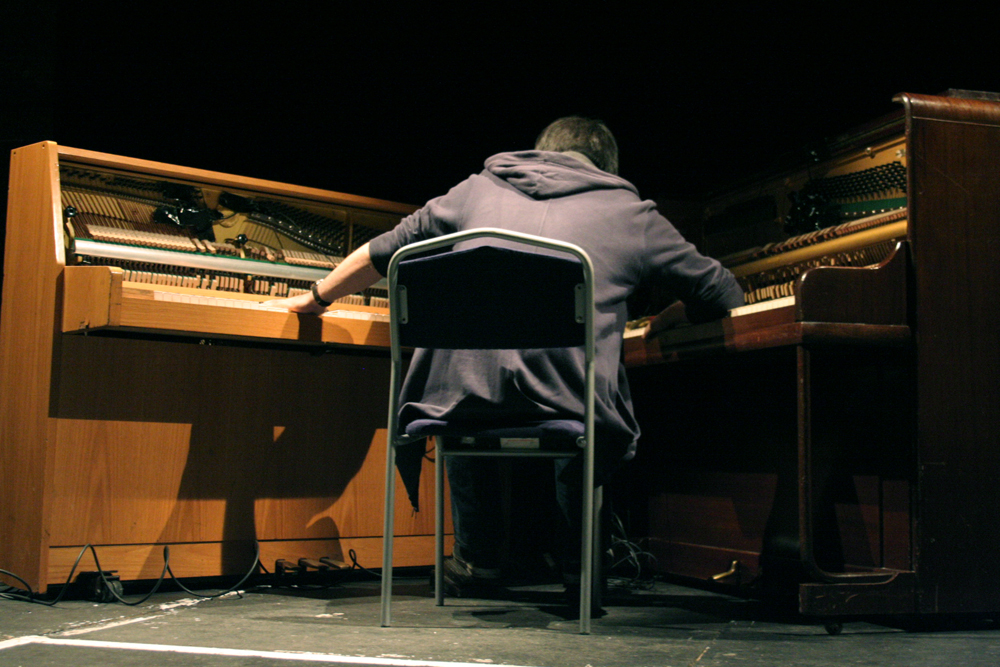
Sachiko’s very simple, pure sine tones and structures. Otomo on double pianos. Filament’s music isn’t composed and it isn’t improvised: it’s a hybrid of the two.
Reading their letters to each other, and chatting about prefigurative politics as the practice of relentlessly building worlds through unspeakable violence and loss; of building worlds and living in them anyway.
Final workshop exploring work, care and class. Does the ‘care industry’ summon forth its own class? Can this ‘affective class’, in their ability to care for others, militate against the carelessness of self-interest?
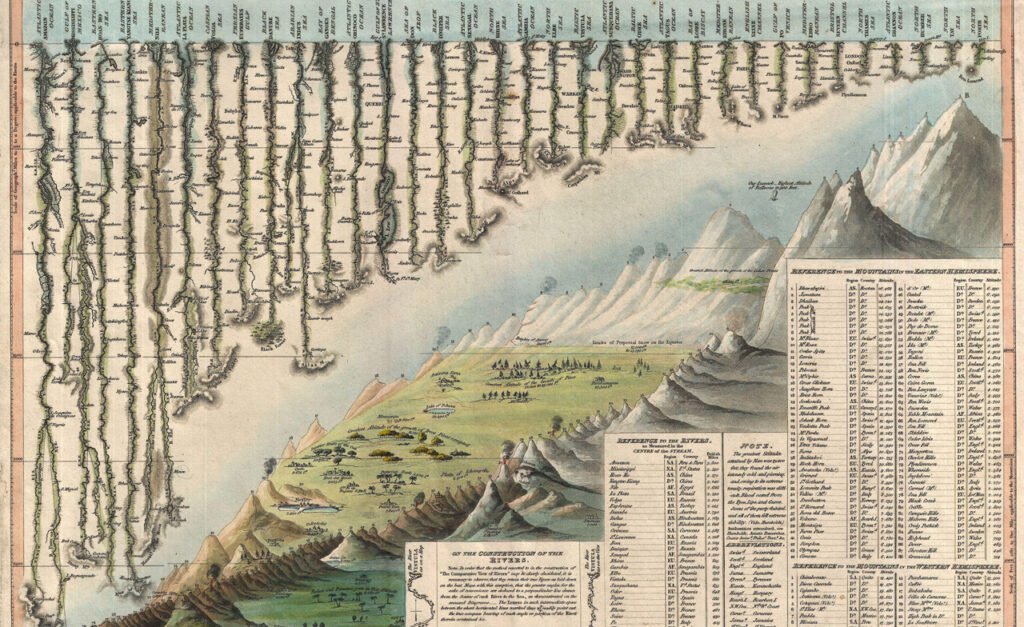
Profound mathematical ideas for romantics, to help us linger in the difference we share.
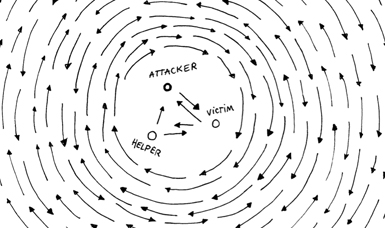
A film installation as both allegory and investigation of The Rockridge Institute and their research into ‘framing’ and the use of metaphor within political discourse.
Recently rediscovered but still very pertinent, Kino Beleške presents a series of speech acts and performative gestures by protagonists of the new artistic practice in former Yugoslavia: each a personal take on the role of art in society.
A series of badly felted lock-ups and garages + multiple locations within the Megastructure – a purpose built town centre in one building, comprising (in the 50’s at least) of housing (never occupied), shops, apartments, a hotel, ice rink, police station and other amenities
Smith/Stewart set up allegorical situations over which they often have little to no control, but which instigate explorations of dependence and trust, the body, sex and death.
How black radical practices of abolition imagine a way out of the caging and mass killing of life.
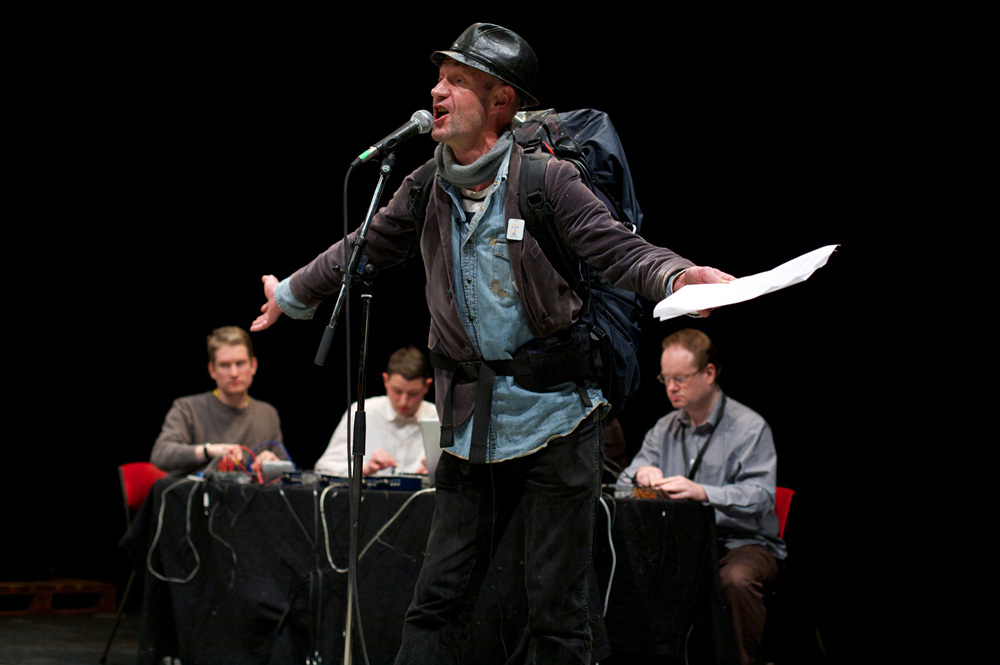
A performance, a radio show, an installation, an endurance test. A game of chance. Constantly broadcasting live, actor Tam Dean Burn will leave Tramway at the start of INSTAL and walk away from it, in an ever increasing spiral, for a day. Then he’ll walk back.
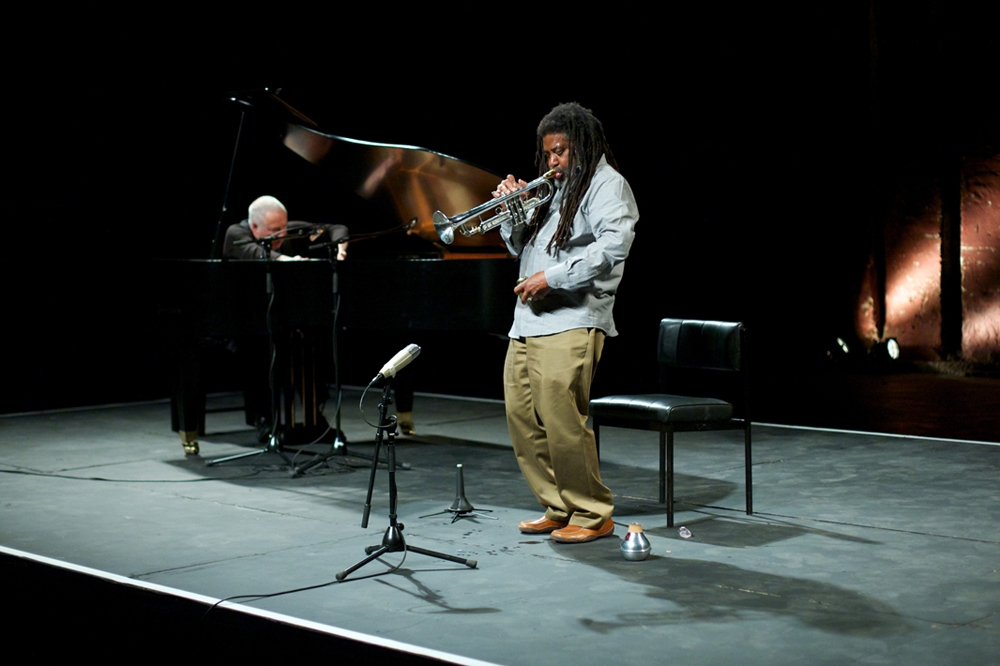
How might two of the great musicians working within contrasting traditions of freedom collaborate? What might this produce: musically, socially, allegorically?