Hermann Nitsch
Hermann Nitsch
A specially commissioned performance for organ. “The course of the stars were to be put to sound.”
Arika have been creating events since 2001. The Archive is space to share the documentation of our work, over 600 events from the past 20 years. Browse the archive by event, artists and collections, explore using theme pairs, or use the index for a comprehensive overview.
A specially commissioned performance for organ. “The course of the stars were to be put to sound.”
A programme looking at landscape, filmic or architectural spaces and at how the fixed stare of a camera frame only captures so much reality; here we focus on how filmmakers structure our relationship with that reality and at how they relate it to or interpret it through sound.
Killer of Sheep is an undisputed masterpiece of African-American filmmaking and one of the most poetic, perceptive dramas ever made about family and community.
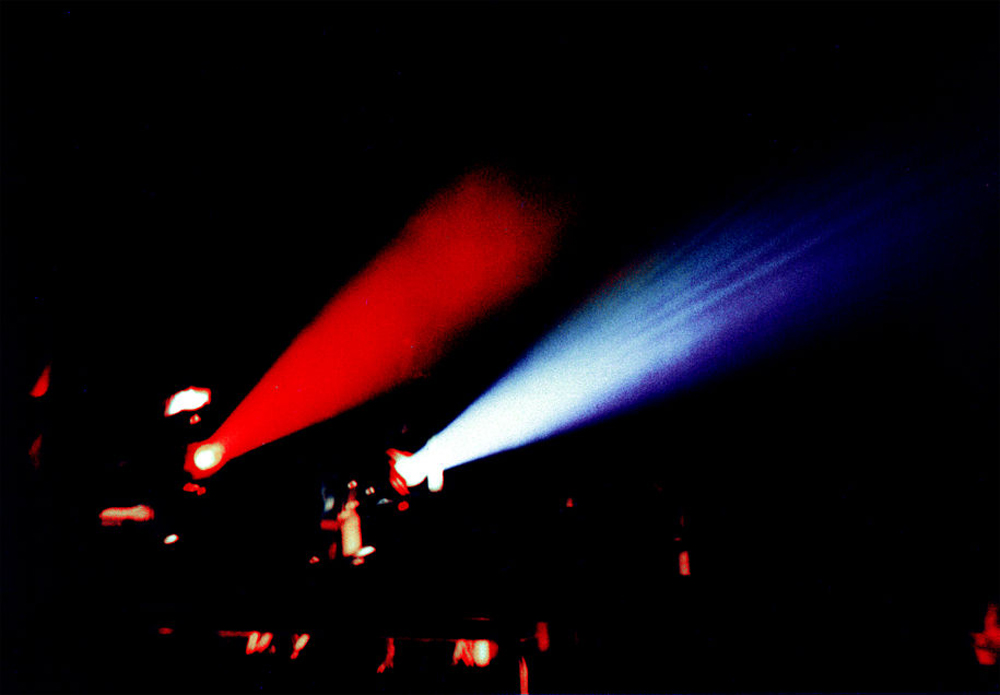
A performance for projectionist, musicians and audience, which plays with references to Oscar Levant and Gershwin: apparently a series of small doses of chaos.
Morgan Fisher is a filmmaker of great wit and charm who uses the tools of experimental film to dissect the basic presuppositions of commercial cinema.
Ex-Decaer Pinga and CKDH rodeo queens; regular ladynoise hoedown gets gatecrashed by sonic chunder-huffing remedial clatter boys.
A performed reflection on Malin’s previous re-enacting of a super influential landmark of performance art from the French feminist and artist Gina Pane.
Nothing if not repetitive, film is founded on the incremental succession of minute difference. But how does repetition of the same play out, and is it a tool to comment on the standardising repetition of the mass media?
Julius’ “small music” features simple snatches of found sound, played back through small speakers, often set in bowls of pigment and dirt which shimmies in the vibrations.
Four perspectives from people involved in different anti-capitalist and anti-racist struggles, considering how ideas of ‘ending’ have shaped their political thinking and praxis.
Birthed from the collective stagger in global consciousness of the late 50’s and 60’s, this programme celebrates epochal, groundbreaking films that all address sound in their own way and that have opened pathways to experimentation.
Instead of the one-way monologue of normal performance, what would be the result of an actual collective dialogue? Where would it go?