


Mondays, 10 March to 5 May, 6-9pm
In Our Hands 2025
In Our Hands is a nine week programme of workshops exploring radical approaches to health and collective care in the movement for liberation and social justice.
Arika have been creating events since 2001. The Archive is space to share the documentation of our work, over 600 events from the past 20 years. Browse the archive by event, artists and collections, explore using theme pairs, or use the index for a comprehensive overview.
In Our Hands is a nine week programme of workshops exploring radical approaches to health and collective care in the movement for liberation and social justice.
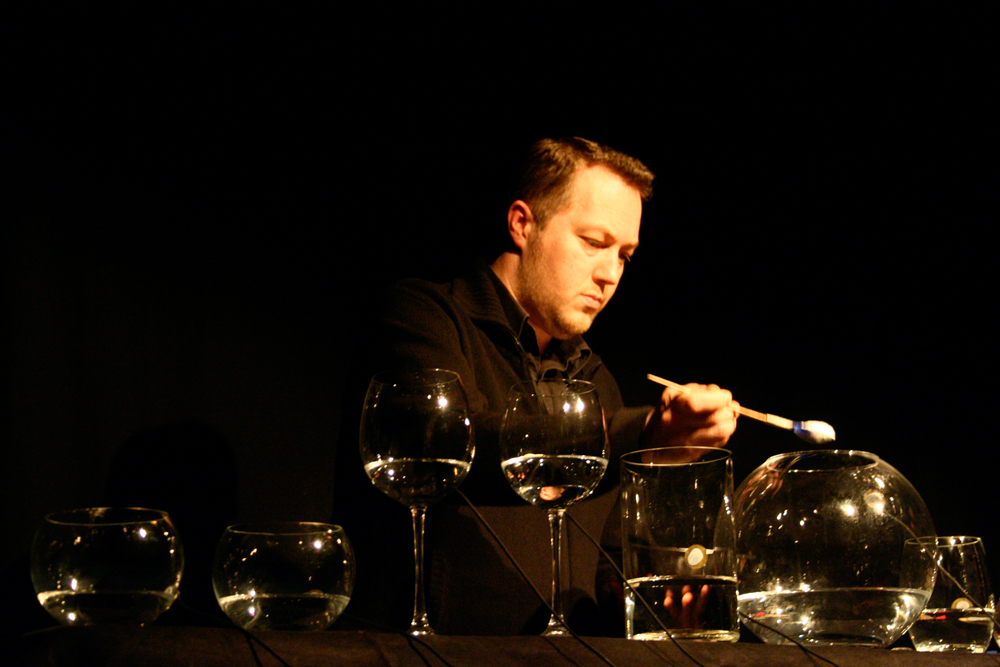
In this response to the Self Cancellation project, Lee Patterson dissolves medicine in glasses of water and explores the sonic content.

A confrontational and somehow shamanic stance; introspective silences shattered by savage jabs at the strings, whirlwind strums dying into spartan chords

A community of those without community, for a community to come. A schizo-scenic video-collage of the disturbing ‘normality’ of Moby Dick.
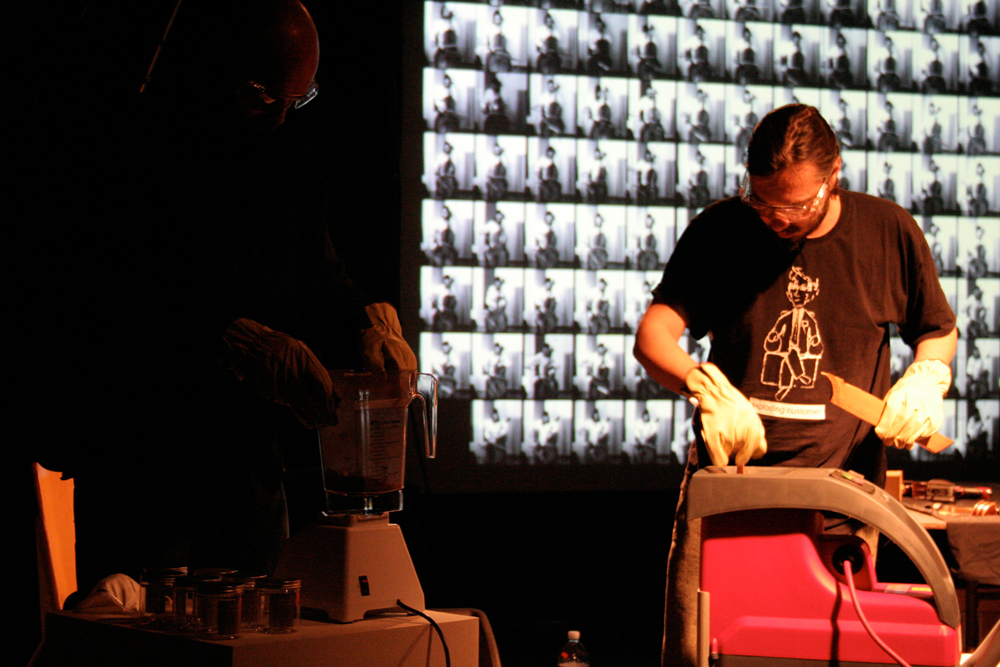
Greek TV company Onos Productions came to INSTAL 09 to document the festival and report on Nikos Veliotis’ Cello Powder performance.
Includes: a classic of innovative computer graphics, ex-pat Scot McLaren on form, a riotous psychedelic oil show with a Soft Machine accompaniment, subtle manipulation of data feedback, a colourful road movie and a reworking of a lost Paul Sharits film.
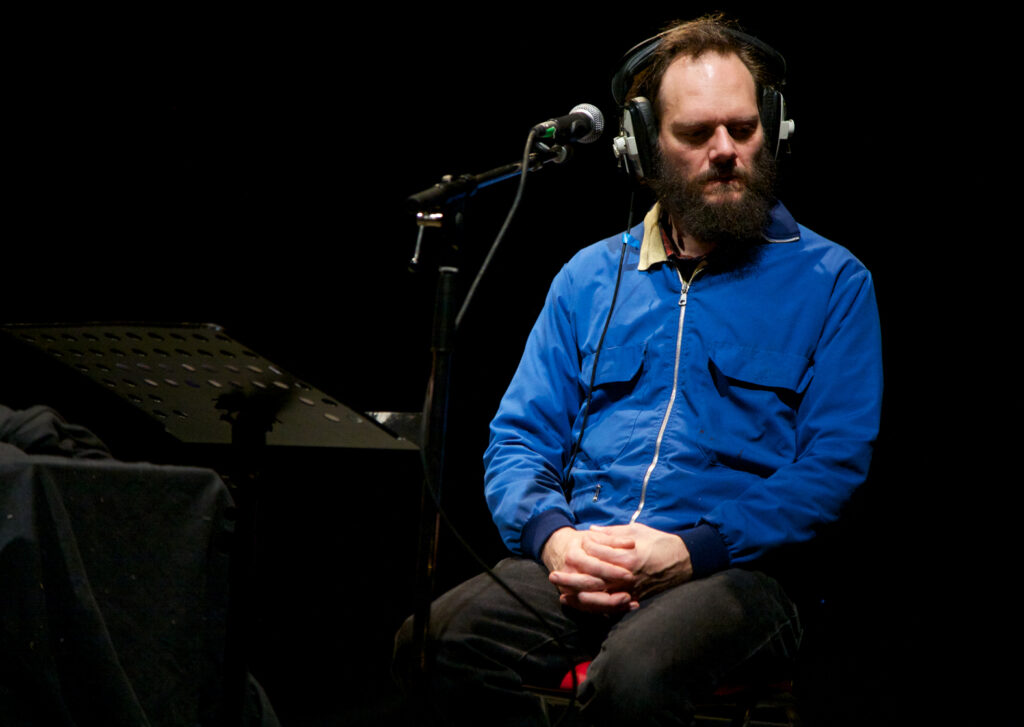
Listening to people listening to their own homes. Musicians and actors will listen back to recordings made in local peoples homes on headphones, and interpret/ translate what they are hearing.
Copying without Copying is 3 evenings of events that are about what happens when we speak, or when we hear someone speak on our behalf, when we share a collective moment of hearing and maybe understanding.
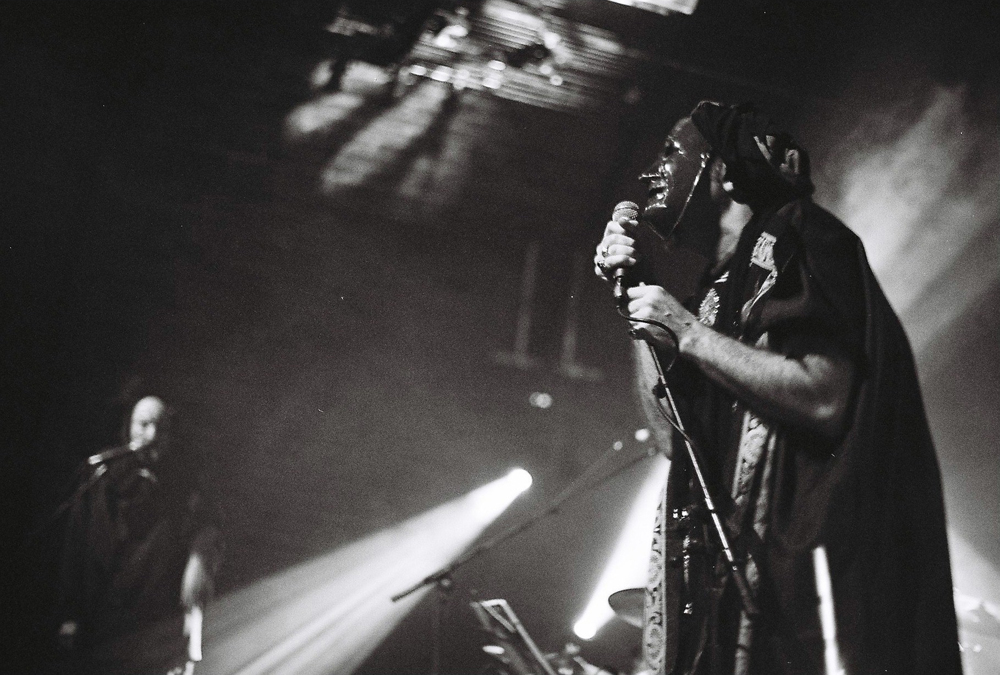
Perhaps the paradigm of America’s covert musical subculture, Sun City Girls operate just over the border of raucous delirium.
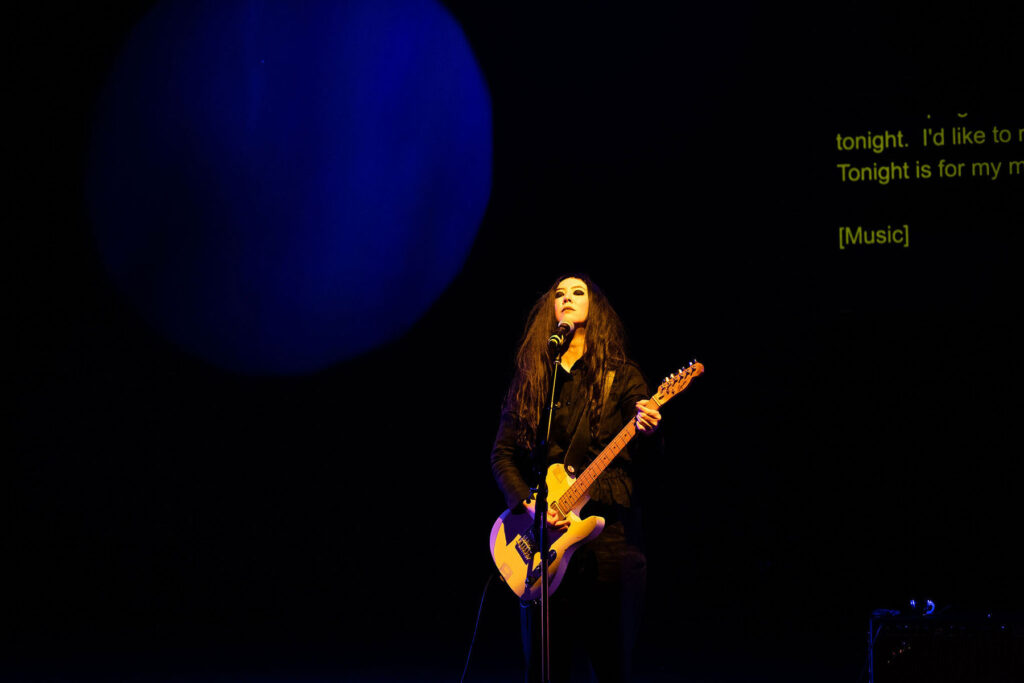
Guitar and voice. Keening, droning and mourning. Be ready to release and bring your dis-ease.
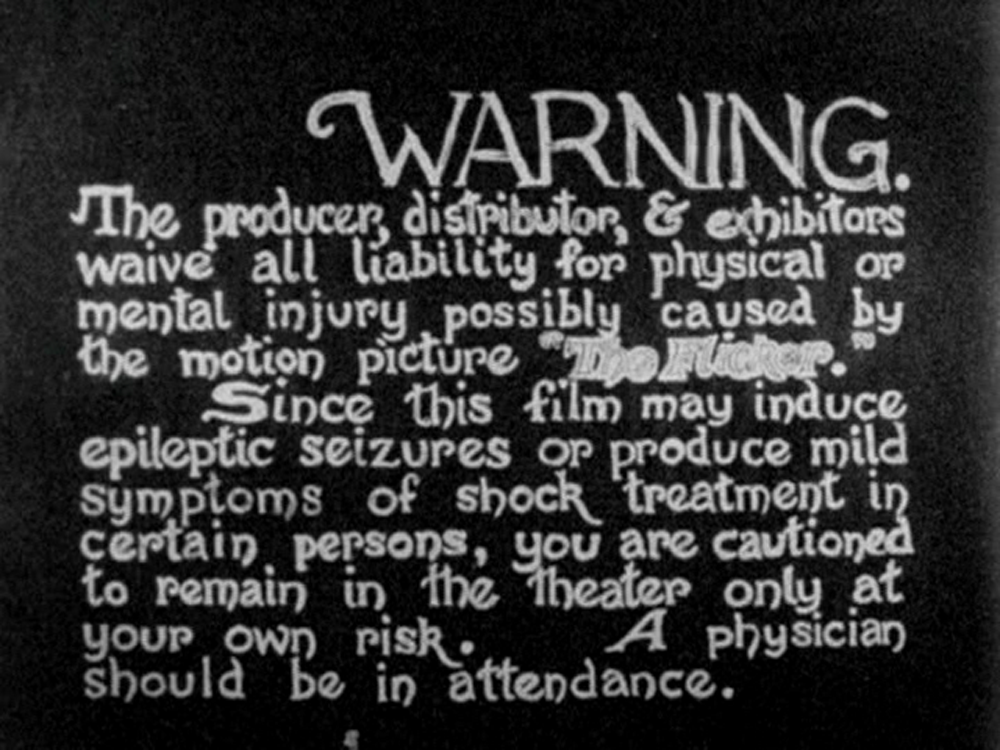
One of the most startling cinematic debuts on record, The Flicker is more a hallucination than a film, an out of body experience and riotous celebration of visual harmonics frequencies. An experiment in perception, come with your mind and eyes open.
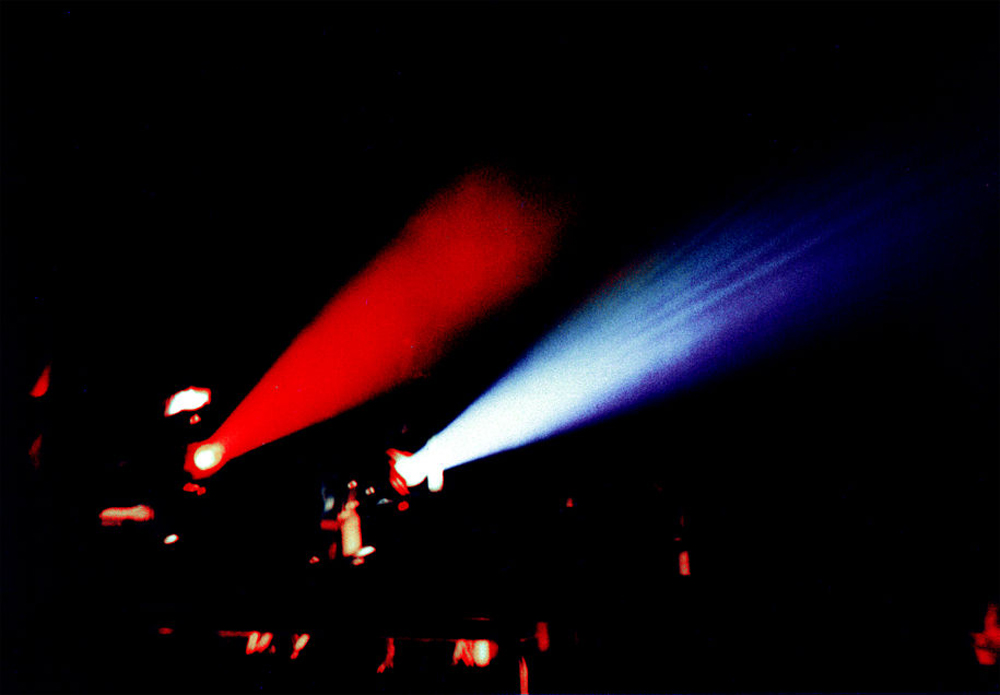
Dual projections of pulsating shards of film, treated in crystallized salts and dyes merge with the whirring of projectors, distilled into particles of sound.