Charles Curtis & Raha Raissnia
Charles Curtis Raha Raissnia
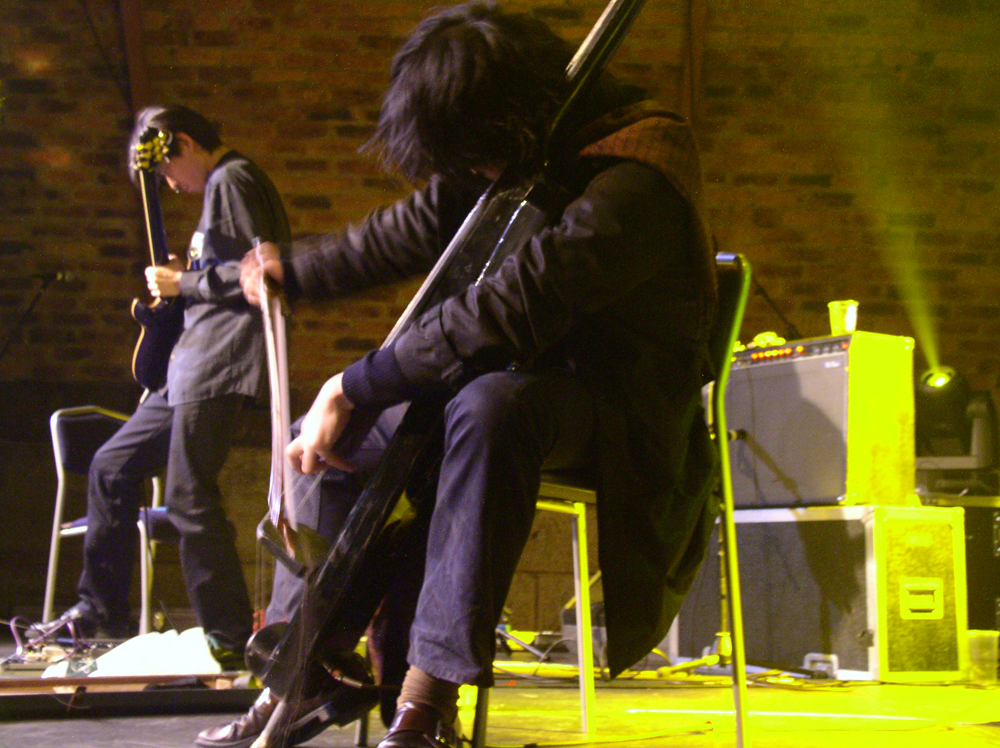
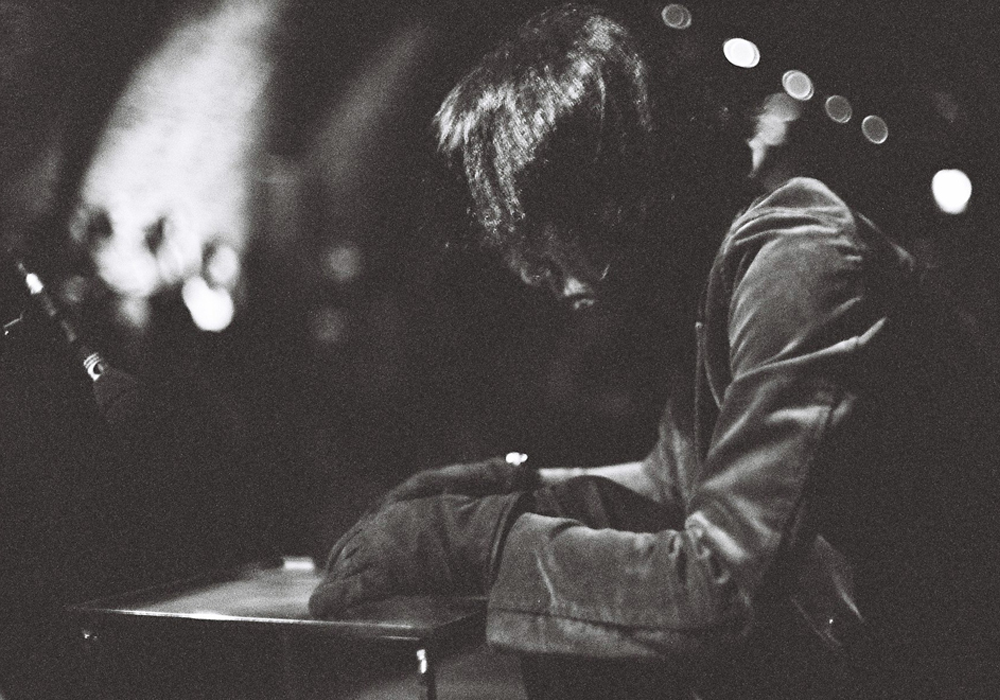
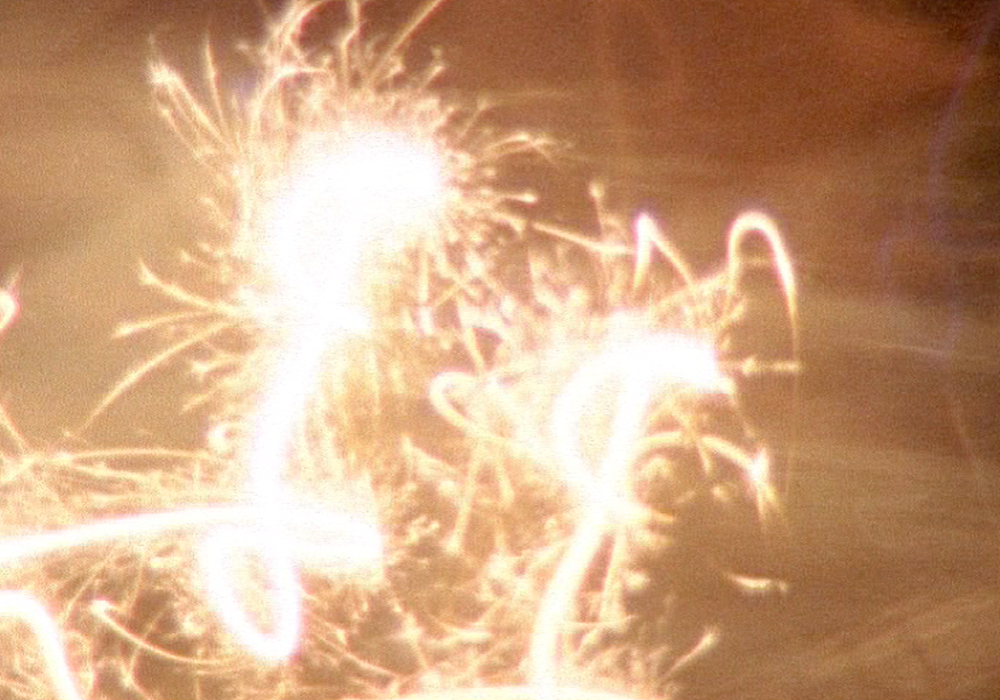
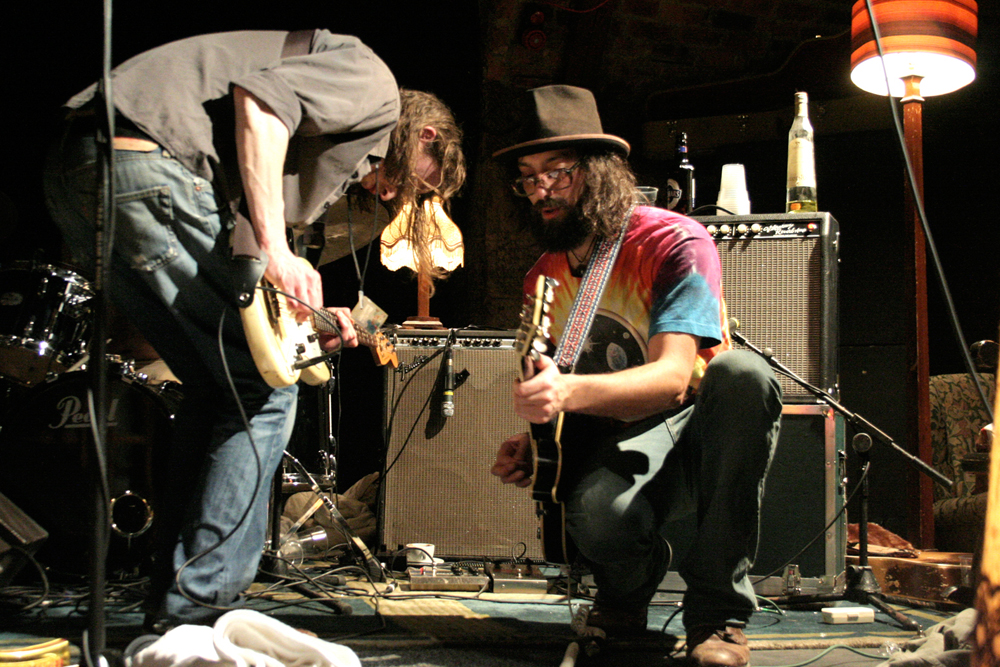
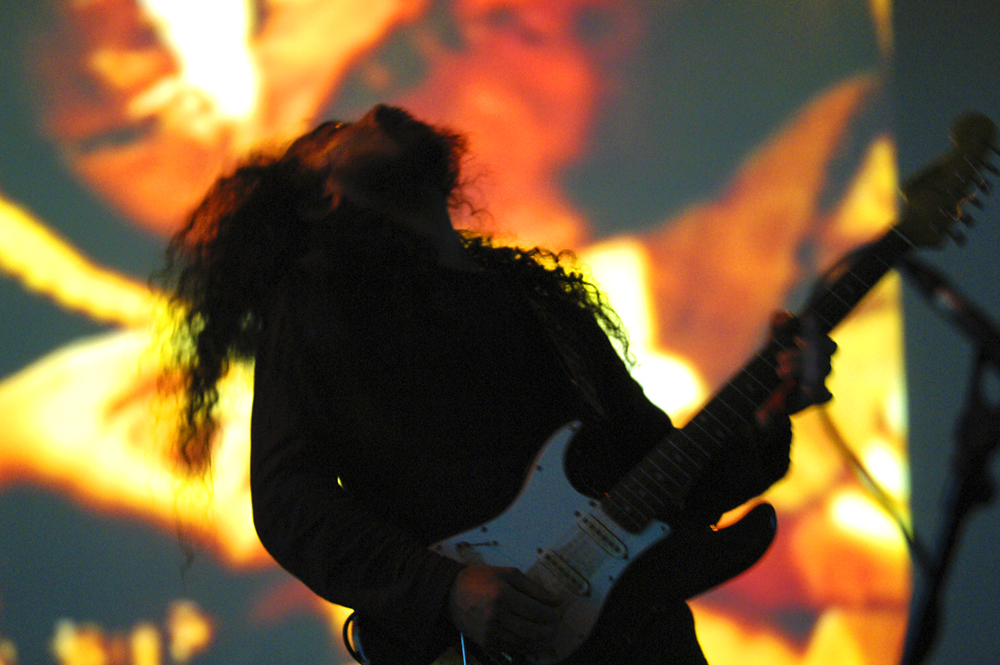
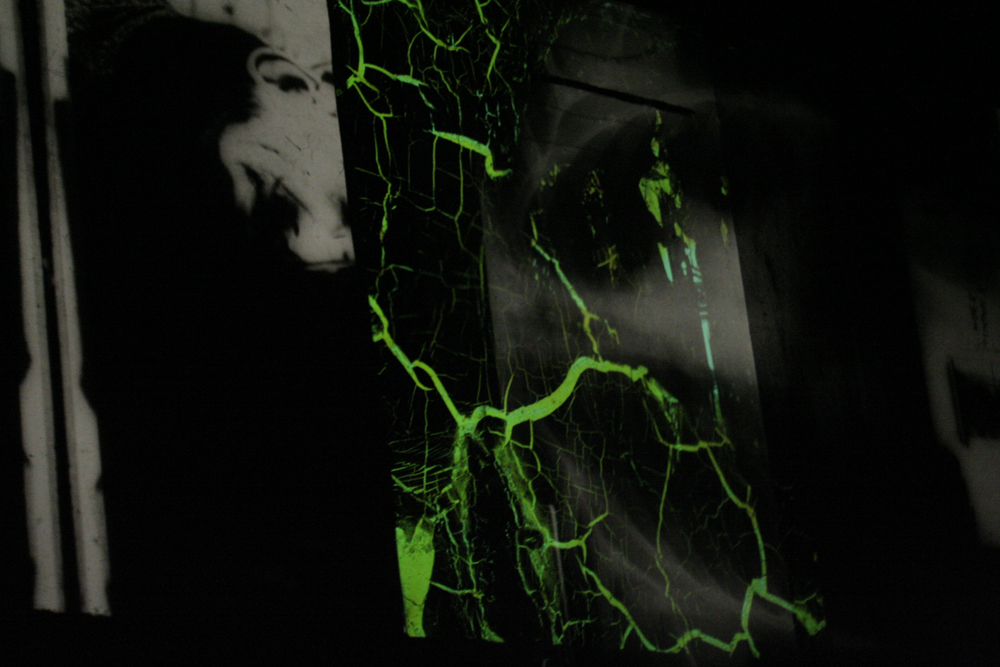
A beautifully crisp, slowly evolving duo for cello and projected images. Abstract but still figurative; change only noticeable after the fact.
Arika have been creating events since 2001. The Archive is space to share the documentation of our work, over 600 events from the past 20 years. Browse the archive by event, artists and collections, explore using theme pairs, or use the index for a comprehensive overview.
A beautifully crisp, slowly evolving duo for cello and projected images. Abstract but still figurative; change only noticeable after the fact.
Coffee, Croissants & Massage – a welcoming breakfast for all with massage by qualified massage therapists present to give hand & head massages.
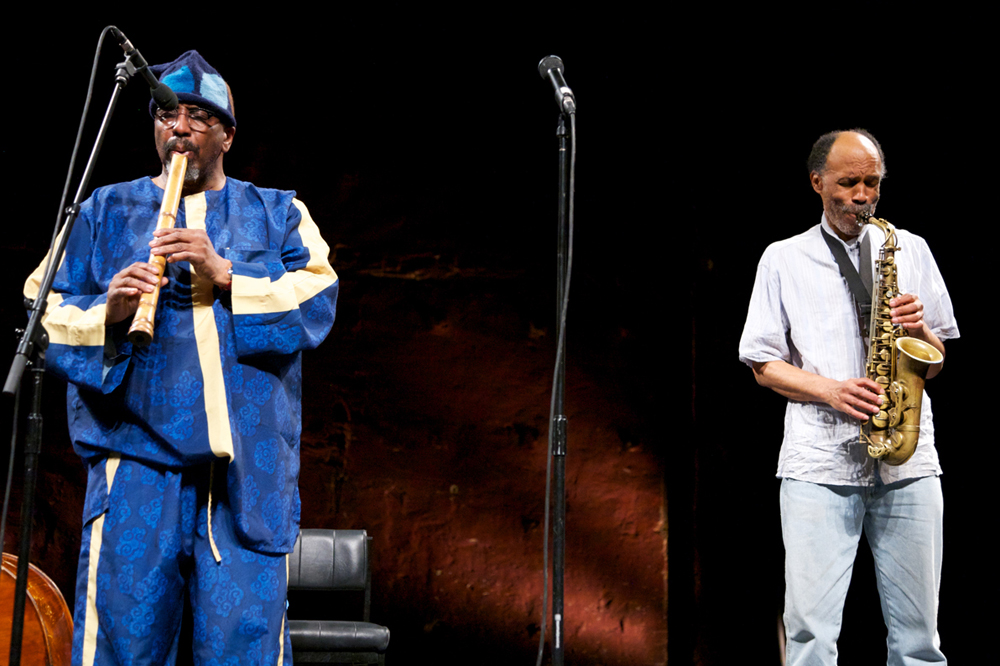
The Experimental Improvisers Association of Japan, [EXIAS-J] are a loose collective of musicians and dilettantes who seem to represent an entire and self sufficient scene in one band.
A performance for dry ice and four specially constructed steel tables, each one heated by a single candle until searingly hot.
Freeform Super 8mm documentation of Sunday at Instal 06 by filmmaker Matt Hulse.
Individual experience separated by physical boundaries (of space, time or ability) suggested as communities of collective experience by (perhaps voyeuristic) artists.
An event exploring anarchic and communal situations of musical creation with MV, EE and The Cherry Blossoms.
Freak-out group for the 21st century perform a live soundtrack to Ira Cohen’s infamous psychedelic masterpiece ‘The Invasion of Thunderbolt Pagoda’
Nina’s going to talk about November, by Hito Steyerl: what and how the film thinks, or about what and how it might makes us think (which is connected, but not the same thing), by watching, and it discussing (with you?).
Our favourite Lancashire-born autodictact asks what’s political about the tension between the individual and the collective in free jazz.
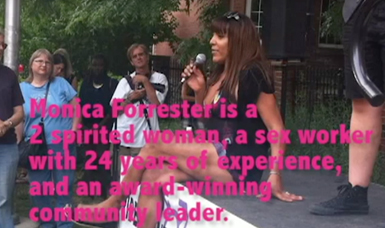
Three documentary films exploring diverse realities of sex workers around the world followed by a closing ceremony of the festival.
What might Carter and Parker’s collaboration tell us about our own performances of responsibility and liberty, whether individual, social or musical?