


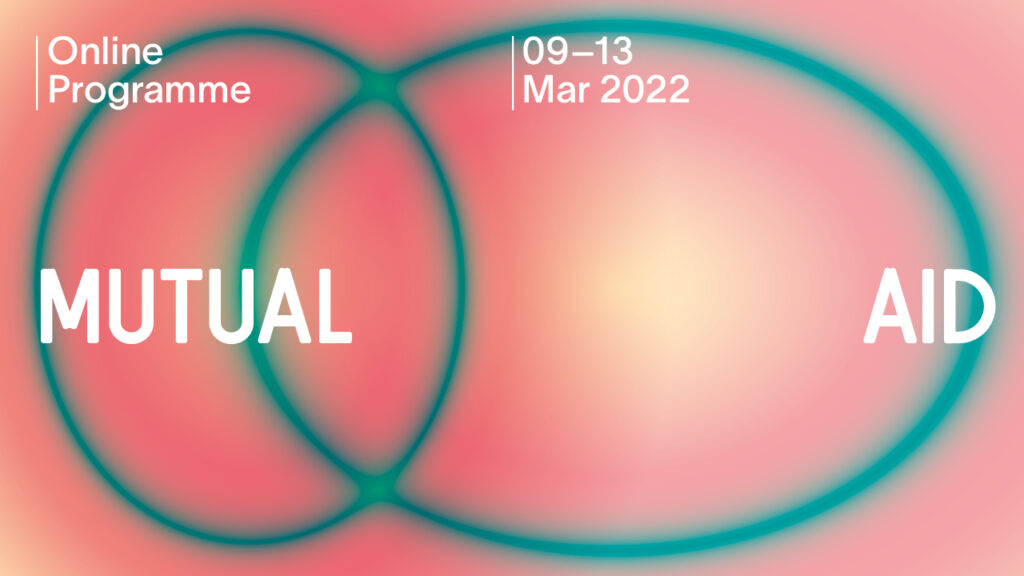
9 – 13 March 2022
Online
Mutual Aid
4 days of workshops, discussions and artists presentations exploring the radical act of caring for each other while working to change the world.
Arika have been creating events since 2001. The Archive is space to share the documentation of our work, over 600 events from the past 20 years. Browse the archive by event, artists and collections, explore using theme pairs, or use the index for a comprehensive overview.
4 days of workshops, discussions and artists presentations exploring the radical act of caring for each other while working to change the world.
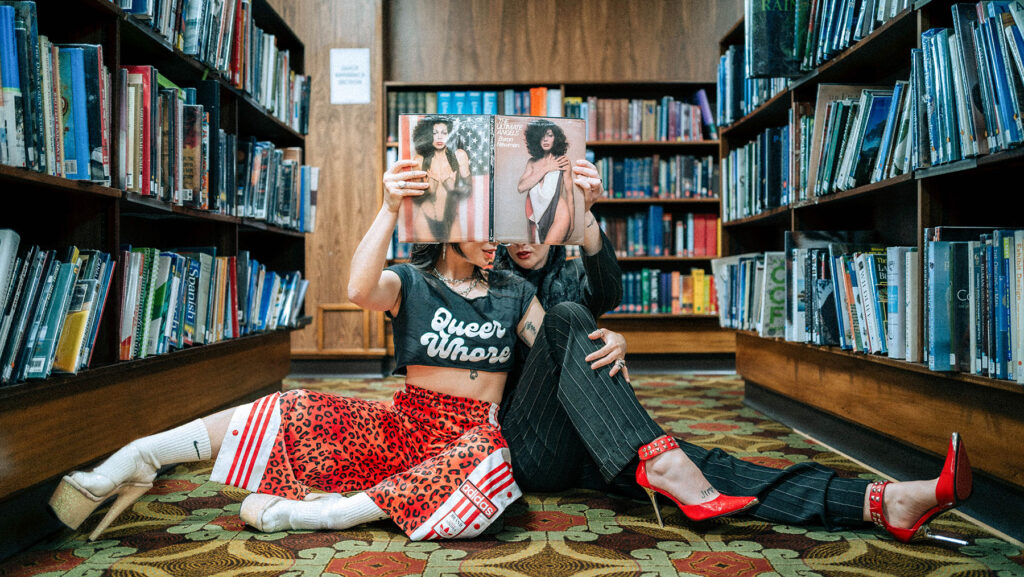
Imagine entering a library where readers can borrow human beings serving as open books. Then select a book stack that specialises in sex work.
Join activists, academics and artists as they reflect on abolitionist praxis and thought, exploring covergences with gender, poetry, technology, performance, speculation, aesthetics, film and culture. This series of events commemorates Black August and is for anyone who wishes to answer the abolitionist call to action and thought.
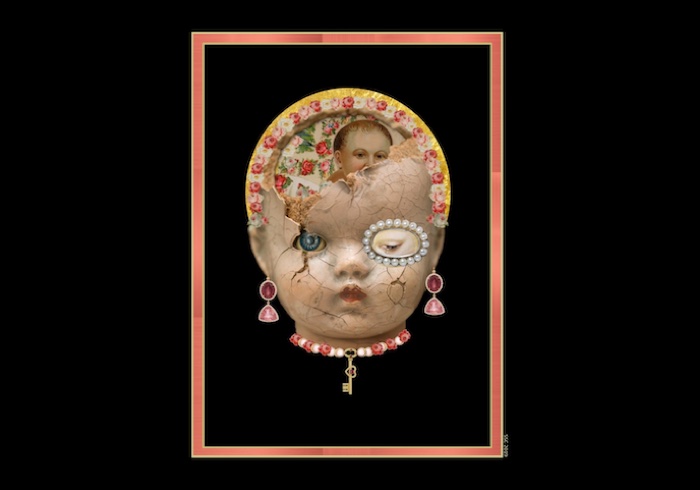
Arika is proud to be one of several arts organisations in Scotland supporting the commissioning of a radical new manifesto, by and for disabled artists working in Scotland.
Summer Solstice hang out IRL and URL on 21 June
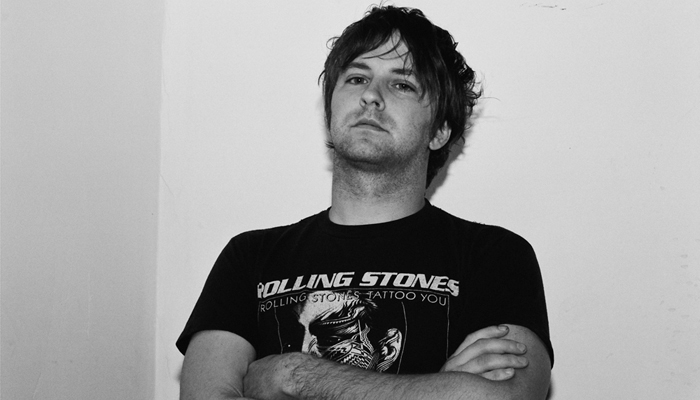
Pitching Fahey inspired, eastern-infused folk vibrations, sad elliptical drones and oracle chants into one kaleidoscopic sound.
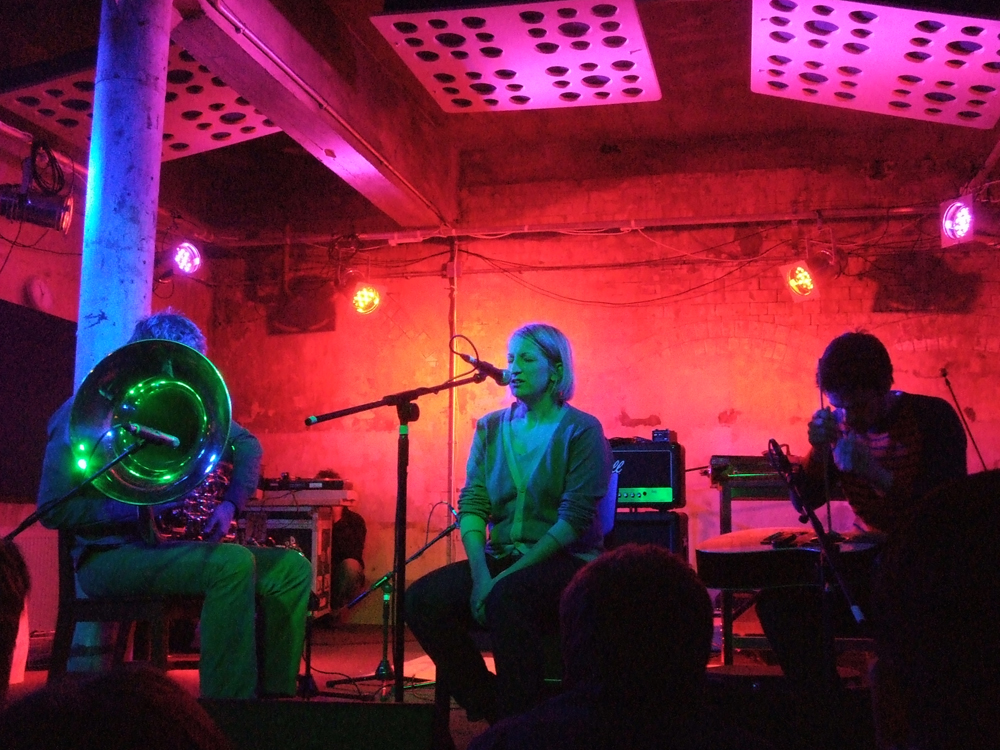
Sparse and miniature free thought workouts involving guitar, vocals and tuba.
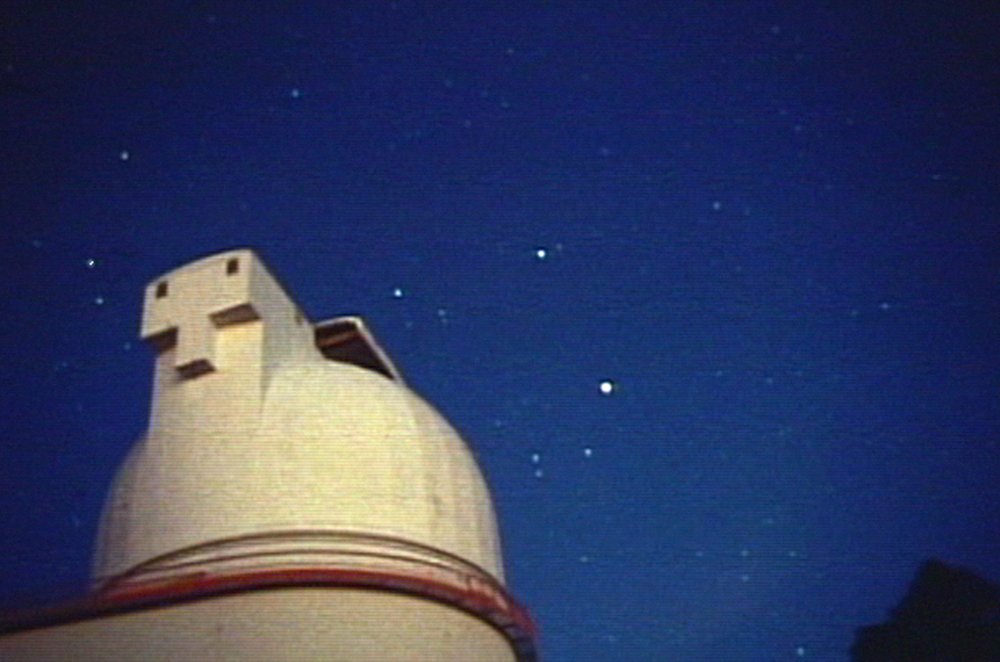
Experience a sense of being in the world, in a specific space and time. Including Jeanne Liotta’s recordings of the ionosphere and Walter Ruttmann’s radical 35mm precursor to musique concrète.
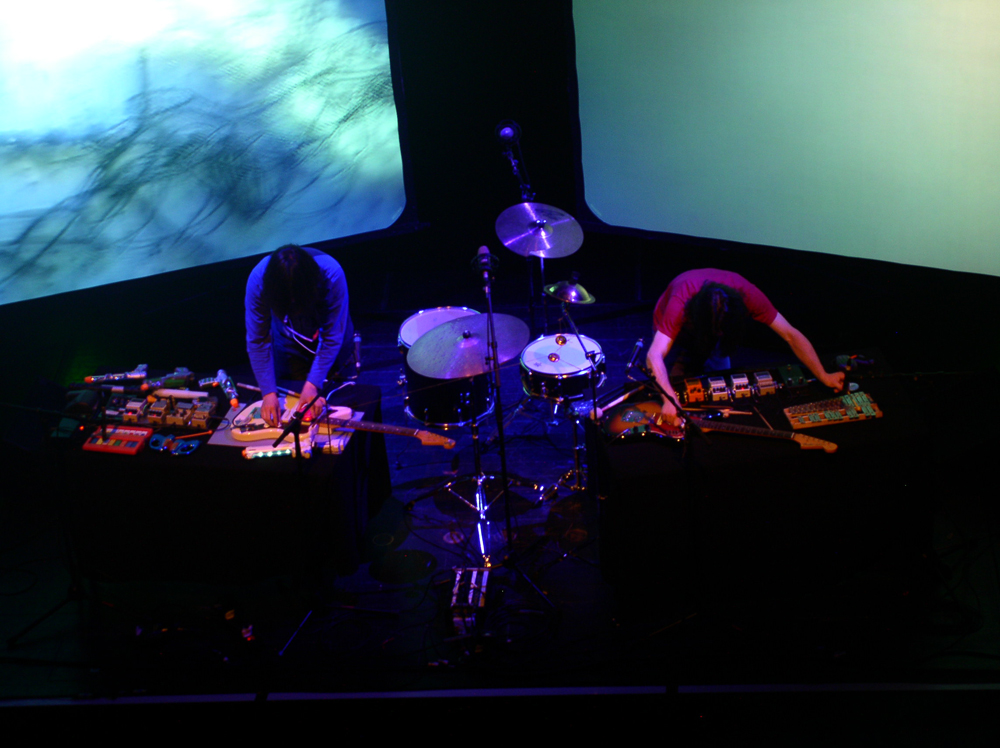
Italian duo of brothers Maurizio and Roberto Opalio utilising an array of acoustic and electric guitars, various toy-instruments and toy-microphones.
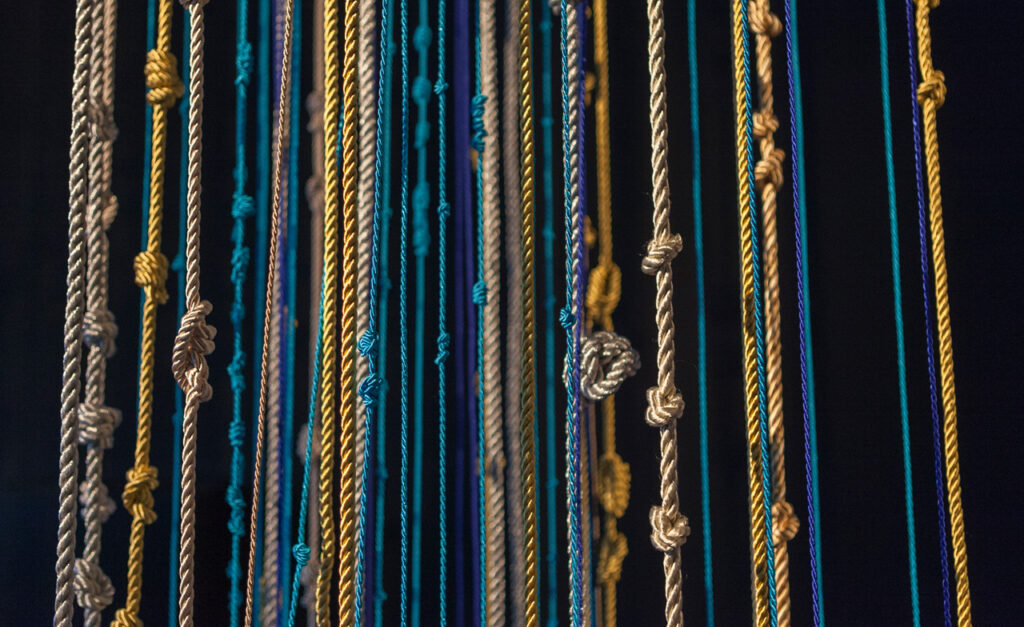
How do we sense entanglement? Can the knotting of ropes according to a poem’s rhythm make the social pulse of language matter?
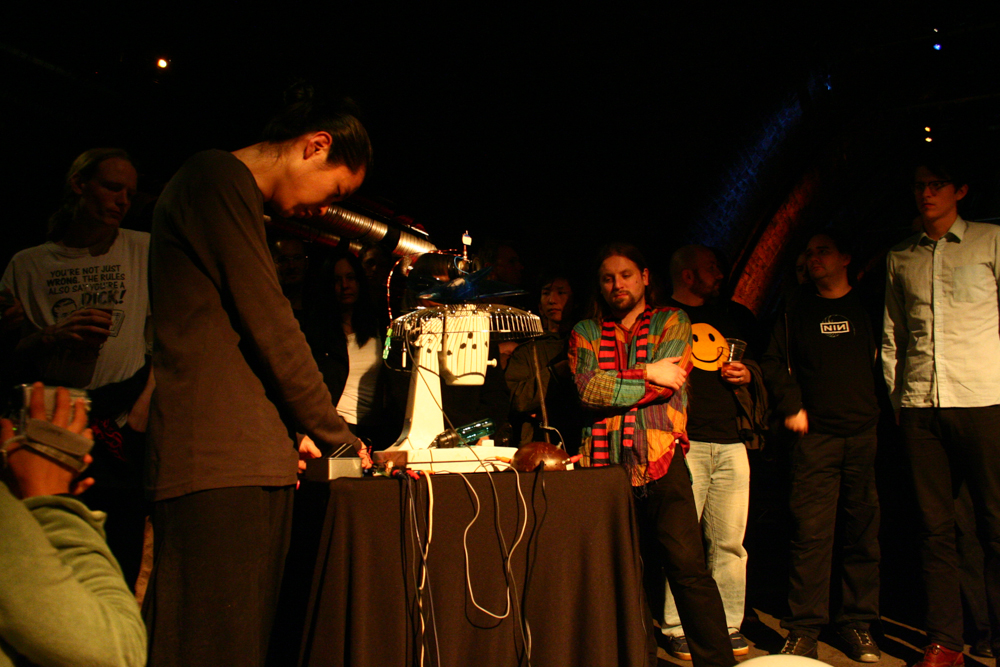
Umeda is a Japanese artist who is as fascinated in setting up interesting situations to observe, as he is in creating performances.
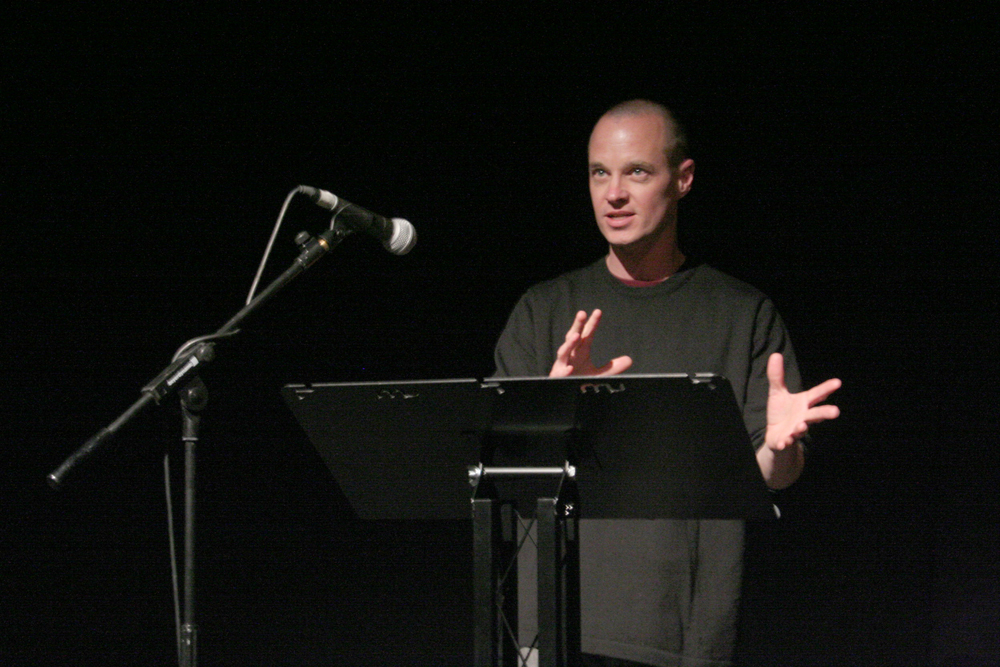
Dworkin asks: What would a non-expressive poetry look like? A poetry of intellect rather than emotion?