Musica Electronica
Musica Electronica
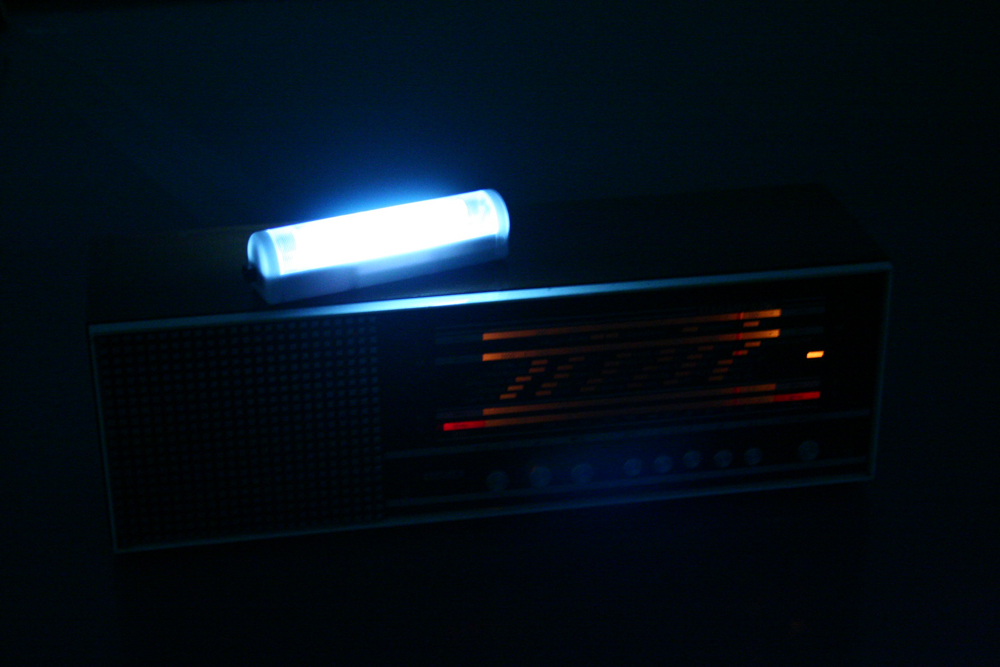
A sound diffusion piece by Glasgow University’s Musica Electronica, and a further selection of electroacoustic performances.
Arika have been creating events since 2001. The Archive is space to share the documentation of our work, over 600 events from the past 20 years. Browse the archive by event, artists and collections, explore using theme pairs, or use the index for a comprehensive overview.
A sound diffusion piece by Glasgow University’s Musica Electronica, and a further selection of electroacoustic performances.
Thinking against the monoculturalism of Western thought—of faith, affection, sexuality and gender—which completely lacks any utility to, or descriptive value of Indigenous worldviews.
Strickland Distribution and Ultra-red give a practical sound workshop bringing together walk participants to discuss the issues raised during the walk
How do communities formed under the duress of violent othering and the joy of solidarity – such as ballroom culture, Black diasporas, Zapatistas – reform bonds of kinship?
How can we imagine bodies not as an end in themselves, but as a medium through which we can become one another’s means?
What does it mean to listen with the mind as well as the ears? A solo performance from the great avant-garde pianist.
Politicised fan-fiction chronicling working class gay urban space and fantasy.
What is the radical concept at the core of ‘rhythm’, expanded from simply musical or mathematical notions to encompass personal, social, collective rhythms?
Do ideas emerging from particle physics help to re-think of blackness as a mode of life in which it’s possible to practice difference without separation?
A riot of 60’s psychedelia, magick, ritual and tight black leather, this programme highlights underground innovators who use and subvert pop music for their own experimental ends; and be warned, in Anger, there’s real darkness.
The Truth and Lies book project emerges as part of a rising tide of sex worker art and organised struggle to end criminalisation and stigmatisation of sex work.
What might Carter and Parker’s collaboration tell us about our own performances of responsibility and liberty, whether individual, social or musical?