Shutter Interface
Paul Sharits
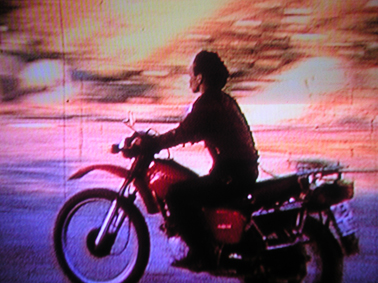
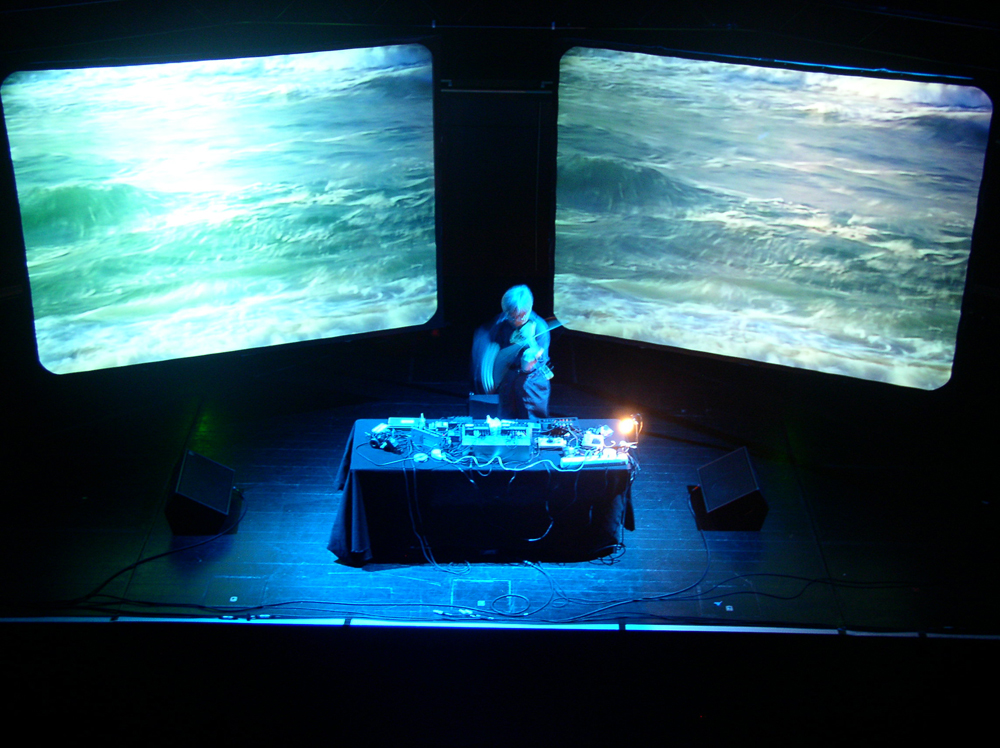
Shutter Interface is an expanded cinema piece: a series of machinegun bursts of chromatic relationships and visual harmonics in an overwhelming montage
Arika have been creating events since 2001. The Archive is space to share the documentation of our work, over 600 events from the past 20 years. Browse the archive by event, artists and collections, explore using theme pairs, or use the index for a comprehensive overview.
Shutter Interface is an expanded cinema piece: a series of machinegun bursts of chromatic relationships and visual harmonics in an overwhelming montage
“Mackey composes realist-mythic layering of lyrical prose unlike anything being written today.” — New York Times. “Our greatest living epic poet…Mackey’s poetry and criticism have reinvented modernism for our time.”— LitHub
This programme takes human subjects as the focus for sound and image construction. And it includes a couple of masterpieces of experimental film: Paul Sharits’ deeply empathetic interpretation of epilepsy and Peter Kubelka’s Webern inspired abstract portrait of Arnulf Rainer.
Acoustic turntable, engines, trumpet and accordion joined by Bassist Magarida Garcia: build long-form quietly detailed pieces that clatter and rumble, that expand and contract with the tension and release of deeply held breath.
Formed as a means to realise William Bennett’s goal of “a sound that could bludgeon an audience into submission”
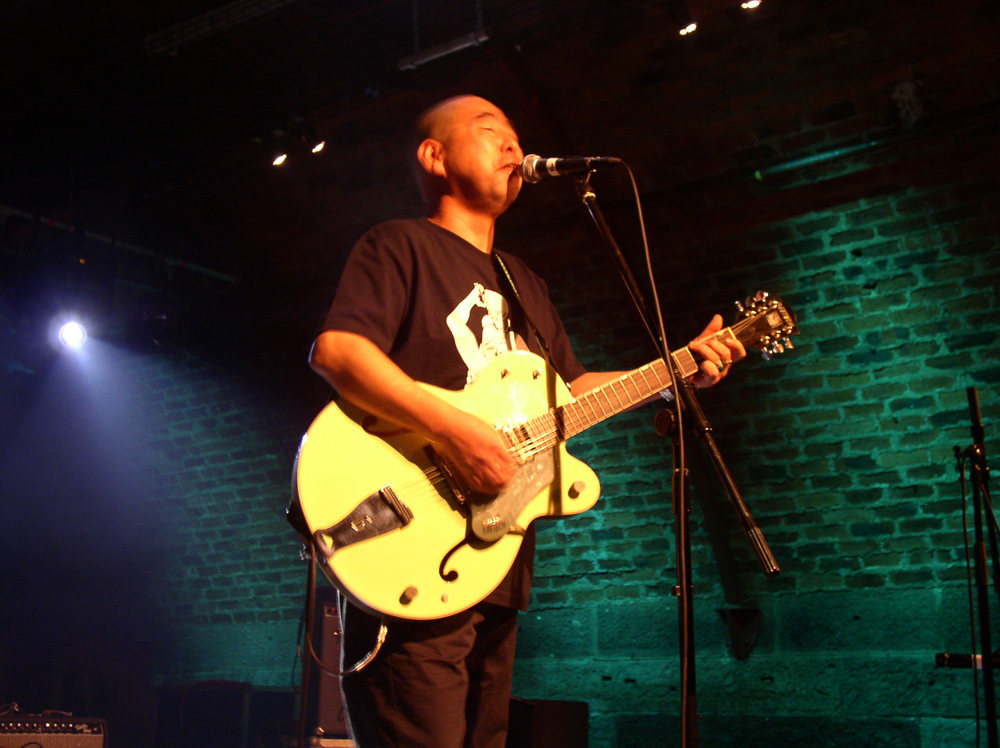
Munehiro Narita’s Kyoaku No Intention (Worst Intentions) fired out some of the most compelling no-wave improvised rock of the 80s.
A testimony to poverty from Chris’s own experiences, and an invitation to engage with an all too typical situation and context through a kind of imaginary listening.
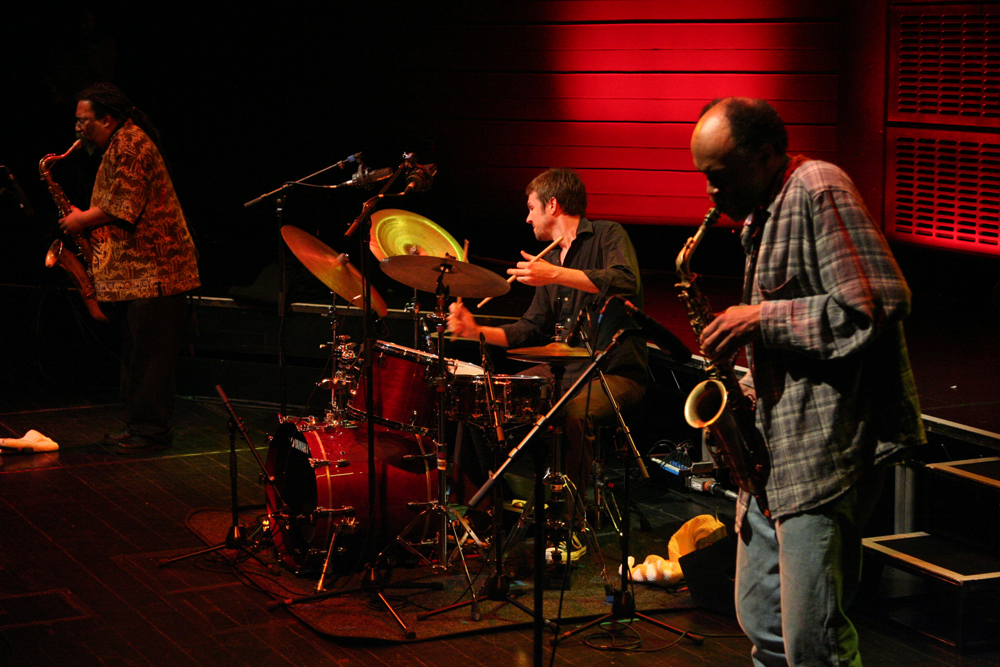
Free Jazz group comprising Matt Lavelle, Matt Heyner (TEST, No-Neck Blues Band) and Ryan Sawyer (Tall Firs).
Is there a link between the ways we’re caged and exiled by the prison-industrial complex and the ways people’s bodies are violently categorised and segregated by race, class, gender or ability?
Three iconic figures from the Japanese underground assembled as a trio to stand in for the advertised duo of Junko and Jerome Noetinger who was unable to attend the festival due to illness.
The second in a series of workshops for workers and non-workers who care. What does the sharing of vulnerability entail? Can such a sharing inform progressive social relations?
What is happening when systems of repression try to grasp communities’ ways of being, living or surviving, applying laws of sexuality, gender or race to cast them as criminal?