The Strangeness of Dub
Dhanveer Brar Edward George
Dub is strange. A conversation with Edward George and Dhanveer Brar.
Arika have been creating events since 2001. The Archive is space to share the documentation of our work, over 600 events from the past 20 years. Browse the archive by event, artists and collections, explore using theme pairs, or use the index for a comprehensive overview.
Dub is strange. A conversation with Edward George and Dhanveer Brar.
Coming to us from Taipei, Yo-Yo sends us elsewhere while bringing us back with her to the timezone of tomorrow. A dancer, media artist, and choreographer who makes multi-dimensions and realms, Lin’s amplification of energies and connections across bodies devolves the separations we are taught to abide.
Radical transfeminism aims to hold the space for finding relations between the ruins of the everyday. Emerging from the debris, spaces for politics find form as poetics to carry understandings, actions and be/longings.
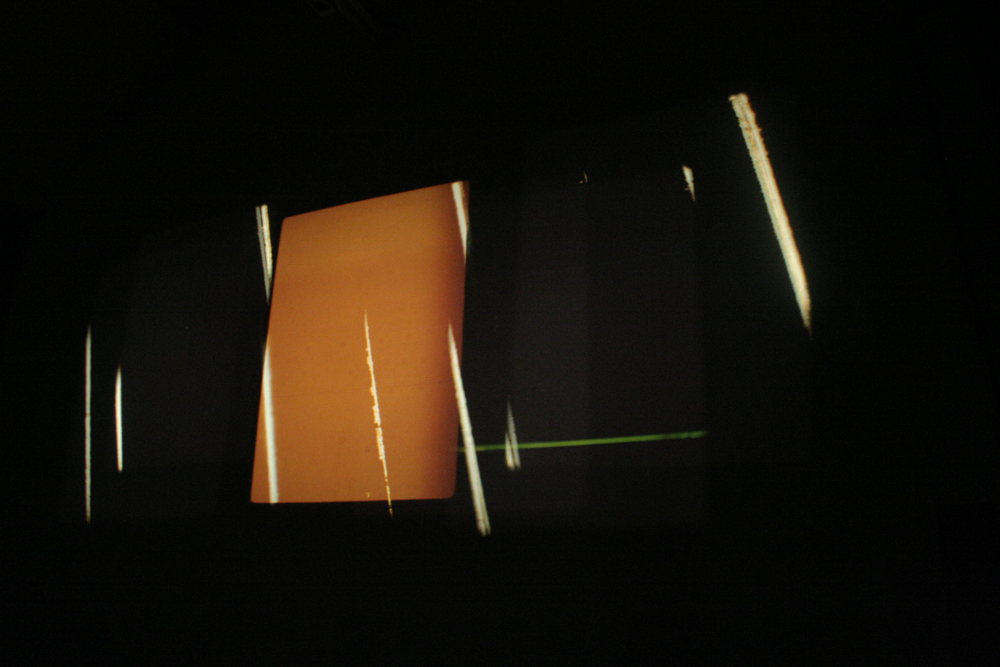
Noise music for the eyes. A 6 screen 16mm projection performance of intense audio and visual stimulus.
“I am truly without faith. In a media marketplace that demands soulness, I can only offer soulnessless.”
How can we imagine bodies not as an end in themselves, but as a medium through which we can become one another’s means?
Includes: tamed TV snow, video feedback of racing particles, a remake of a polish photogram film destroyed in WWII, a visual and aural representation of Gestalt theory, hole-punched film and Guy Sherwin’s Cycles 3 double-projection.
Film and sound stripped of ‘content’ and experienced spatially, to be looked at not on the screen but in the space of the gallery
US percussionist, poet, sound artist and instrument maker performing on self-made instruments constructed from industrial materials such as stainless steel, titanium, PVC plastics and various kinds of pipe.
African American history, avant-garde jazz riffs and activism intertwine in experimental verse of extraordinary and affecting beauty that has to be heard.
Captures the creak and rustle of the forest, with an exhilarating tension let loose in unconfined maniacal and bare-knuckle group thinking.
How does this practice, that simultaneously resists and honours the distinctions between these genres, materials and senses, determine the inhabitation of another: a convergence of aesthetic and social experimentation?