An Archive of Feelings
Ann Cvetkovich
The queer archiving of traumatic cultural memory from one of the leading voices working with queer archives.
Arika have been creating events since 2001. The Archive is space to share the documentation of our work, over 600 events from the past 20 years. Browse the archive by event, artists and collections, explore using theme pairs, or use the index for a comprehensive overview.
The queer archiving of traumatic cultural memory from one of the leading voices working with queer archives.
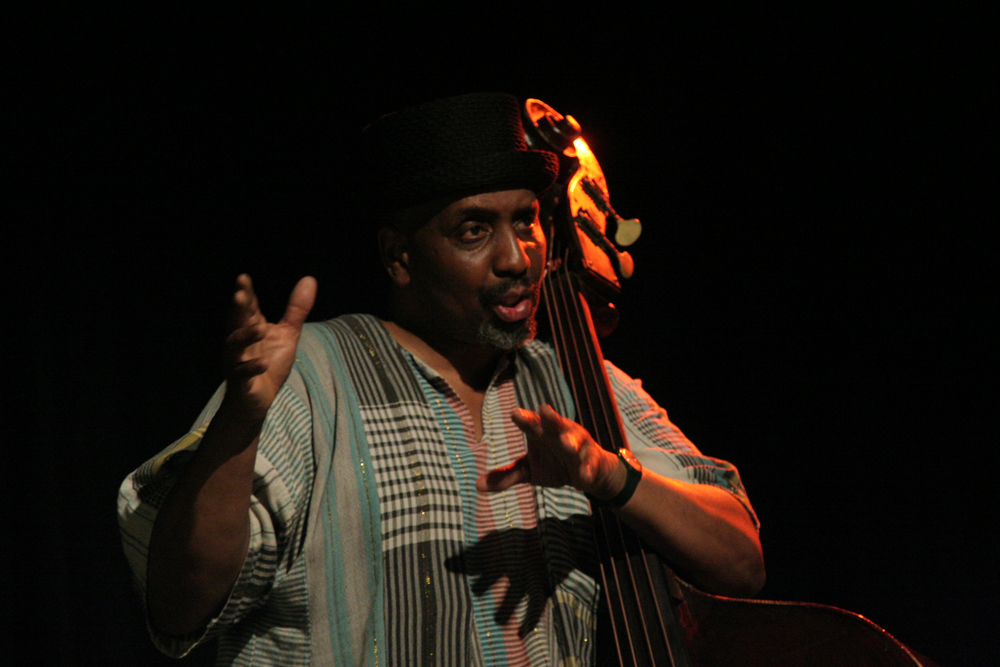
William cradles, hammers, and rains down blows, plucking and using 2 bows to attack the strings above and below the bridge, all in the service of a fiery and passionate creativity.
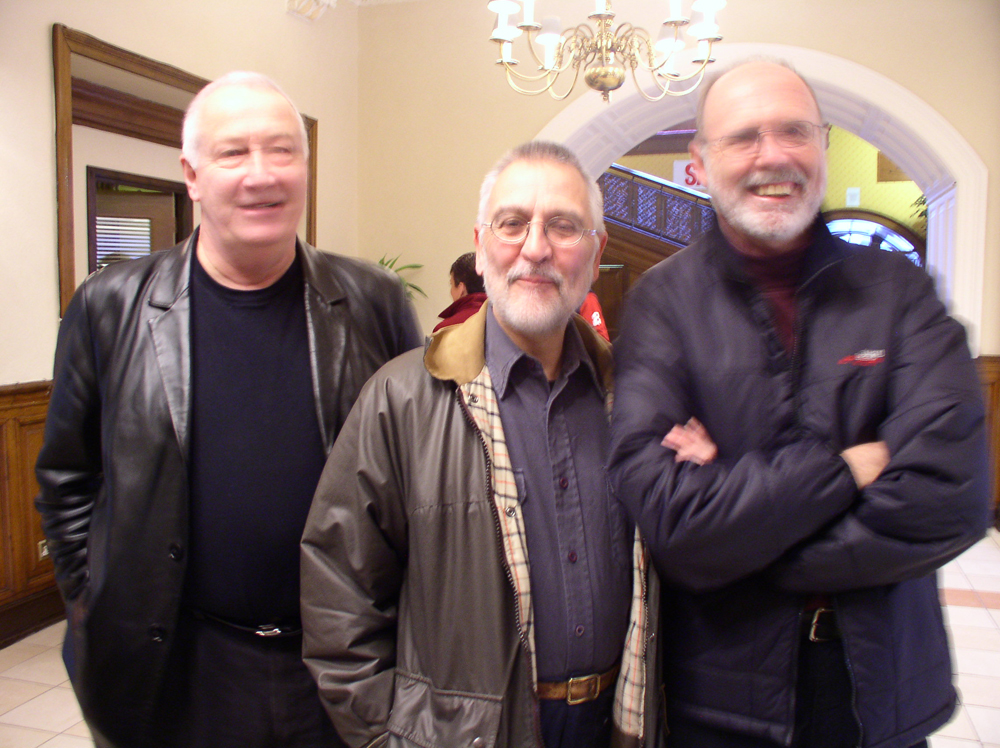
AMM have undoubtedly been among the most important contributors to the UK free improv scene for nearly 40 years and we are extremely proud to be able to be working with such distinguished musicians who still rarely play live in the UK.
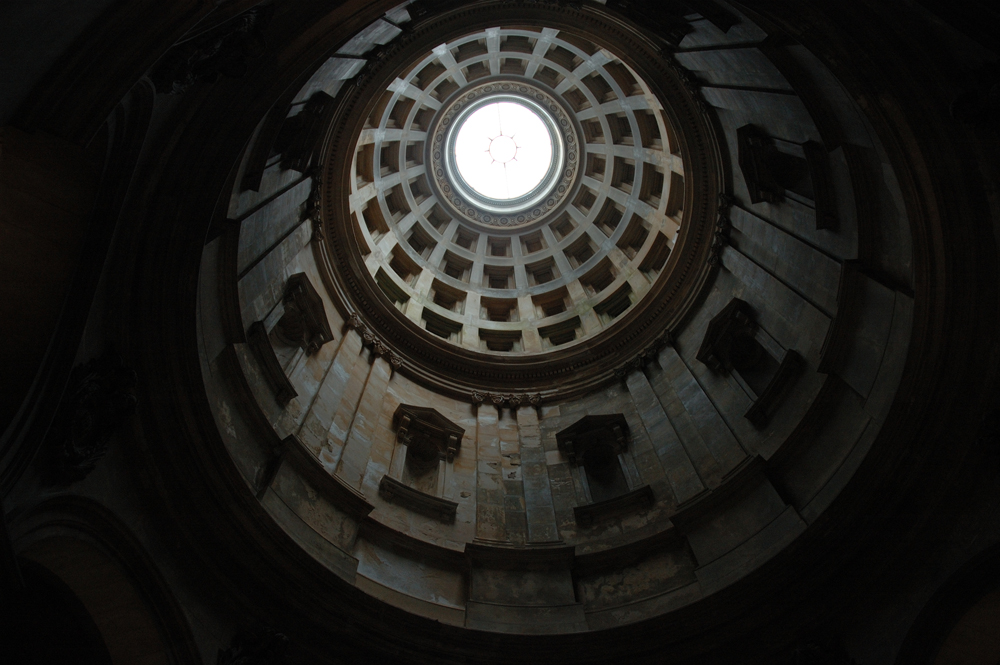
Chris Corsano, Akio Suzuki and John Butcher performing in the Hamilton Mausoleum, Hamilton.
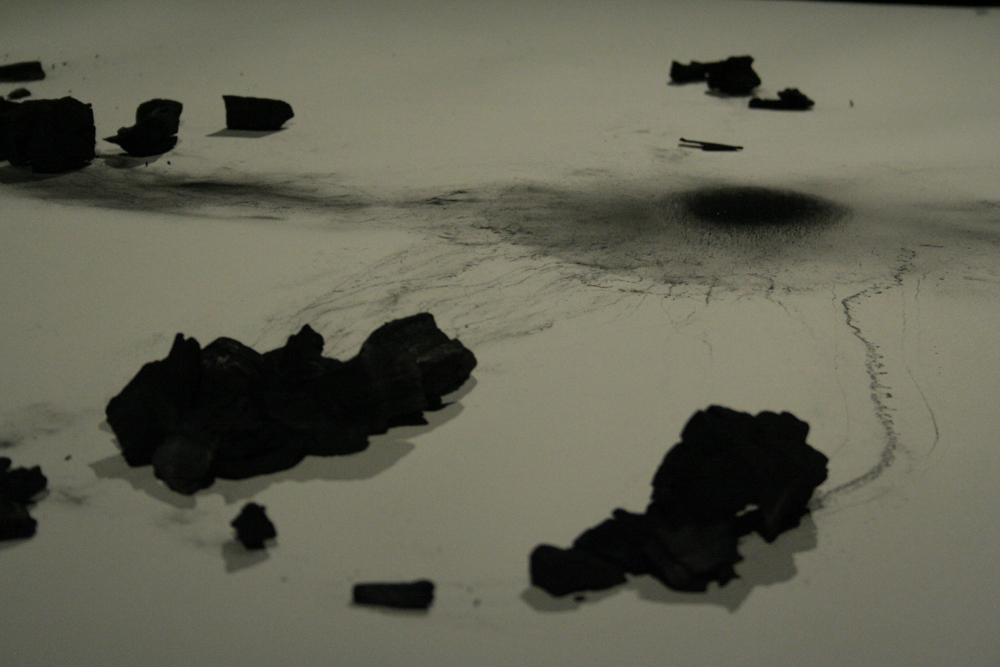
Laser beam sine tones used to draw delicate, abstract patterns by vibrating charcoal, placed atop of a great strip of paper running through the gallery; beautiful, fragile sound-created autonomous drawing.
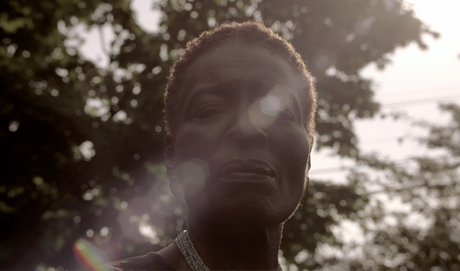
A landmark film on black life – a poetic filmic constellation of meditations, fragments and interviews on what it means to be black in America in the 21st century, from one of its great cinematographers.
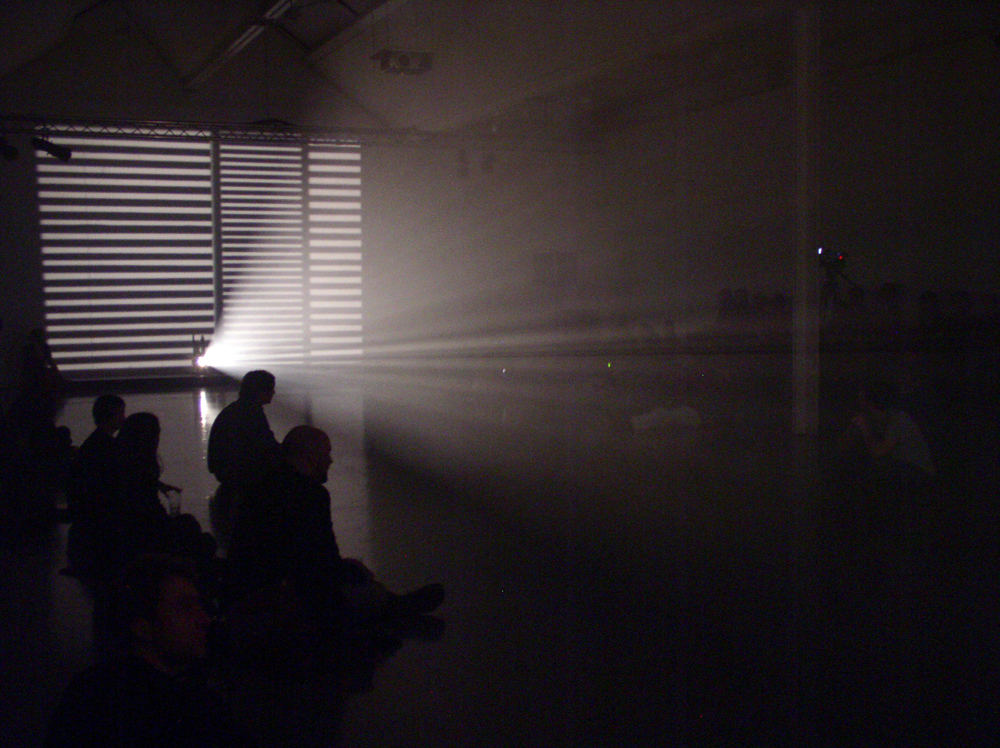
Light Music is a dizzying celebration of the pivotal nature of sound in film; a direct and powerful transcription of film as sound.
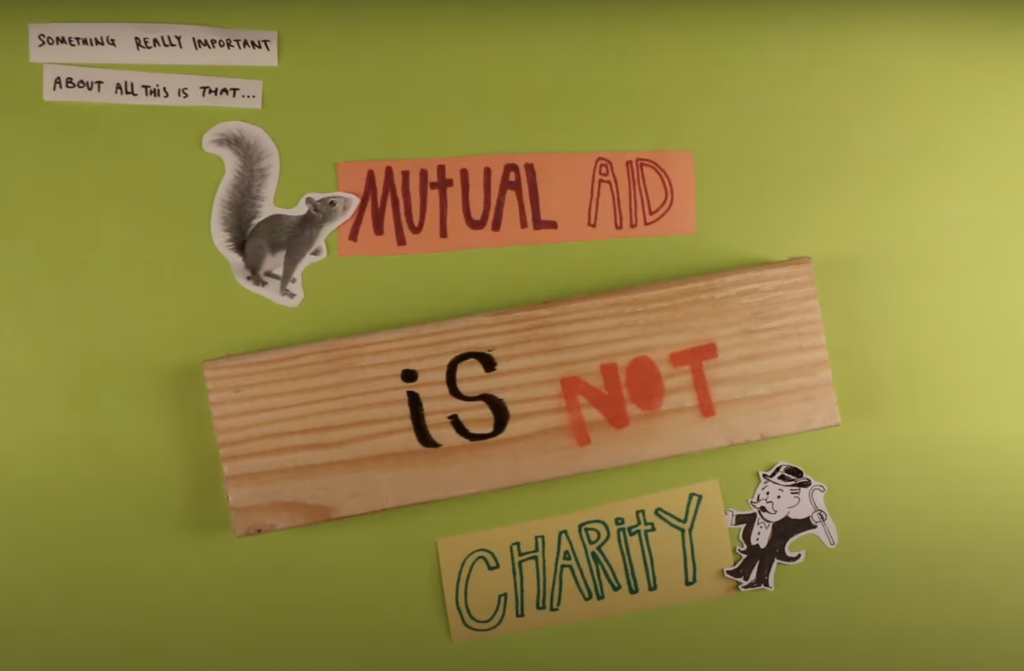
How do we make the connections between the mutual aid practices of our daily lives and anti-capitalist efforts to dismantle wider systems of exploitation?
A programme of discontinuity between narration, text and image. Including Manual Saiz’s employment of John Malkovich’s Spanish dubbing double and Peter Rose’s absurdly hilarious concrete poetry subtitling chaos.
When we look, how do we objectify the body; how can we reflect on our (self) image as a construction?
How do communities formed under the duress of violent othering and the joy of solidarity – such as ballroom culture, Black diasporas, Zapatistas – reform bonds of kinship?
What does it mean to resist seeking assimilation or inclusion within, or let our demands be co-opted by the very systems we seek to dismantle?