Vajra
Kan Mikami Keiji Haino Toshiaki Ishizuka
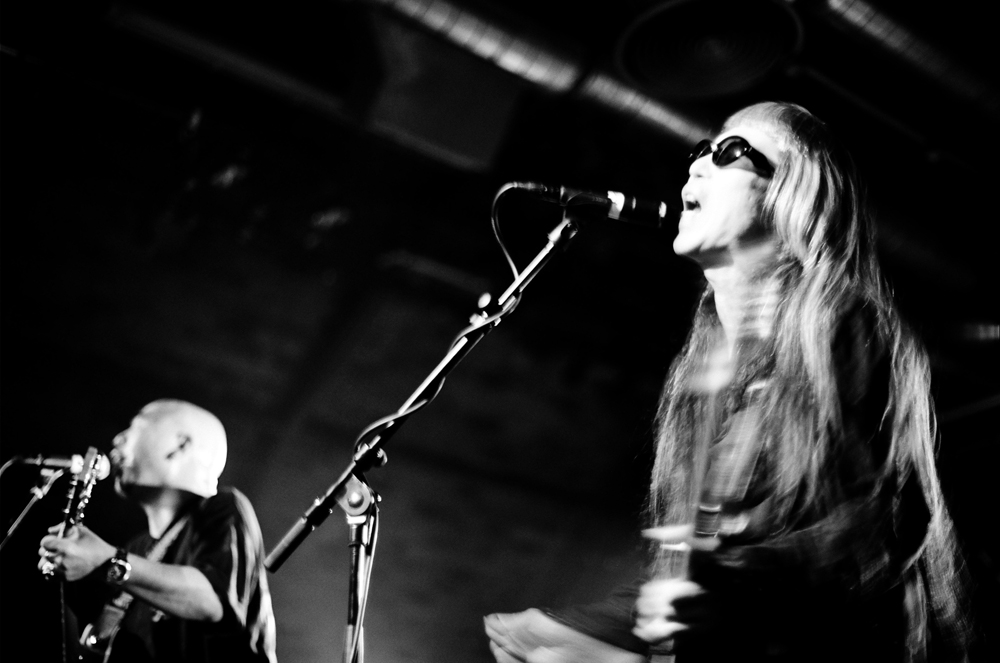
Vajra are a Japanese psychedelic rock supergroup, hewn from the collective consciousness of Fushitsusha’s Keiji Haino, folk radical Kan Mikami and percussionist Toshiaki Ishitsuka.
Arika have been creating events since 2001. The Archive is space to share the documentation of our work, over 600 events from the past 20 years. Browse the archive by event, artists and collections, explore using theme pairs, or use the index for a comprehensive overview.
Vajra are a Japanese psychedelic rock supergroup, hewn from the collective consciousness of Fushitsusha’s Keiji Haino, folk radical Kan Mikami and percussionist Toshiaki Ishitsuka.
Cask-strength electrohypnol/ shroom damaged folk croonings by Lapsed Electronics empire builder responsible for recent Tremors blowouts.
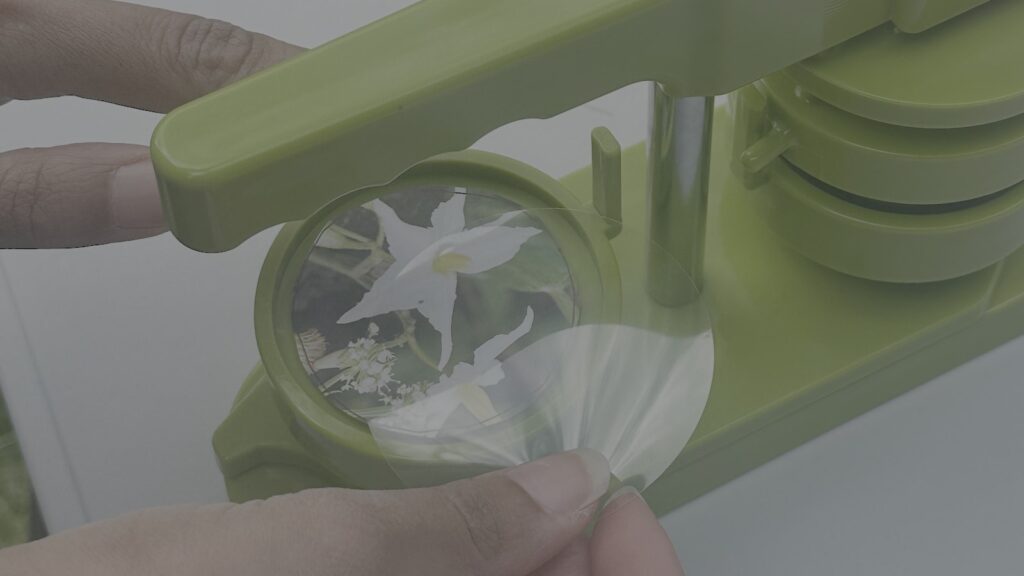
Create your own badge designs, with collaging, drawings, stickers and more! Whether your badge is playful, political, expressive or just for fun this is a space to create something that feels like you.
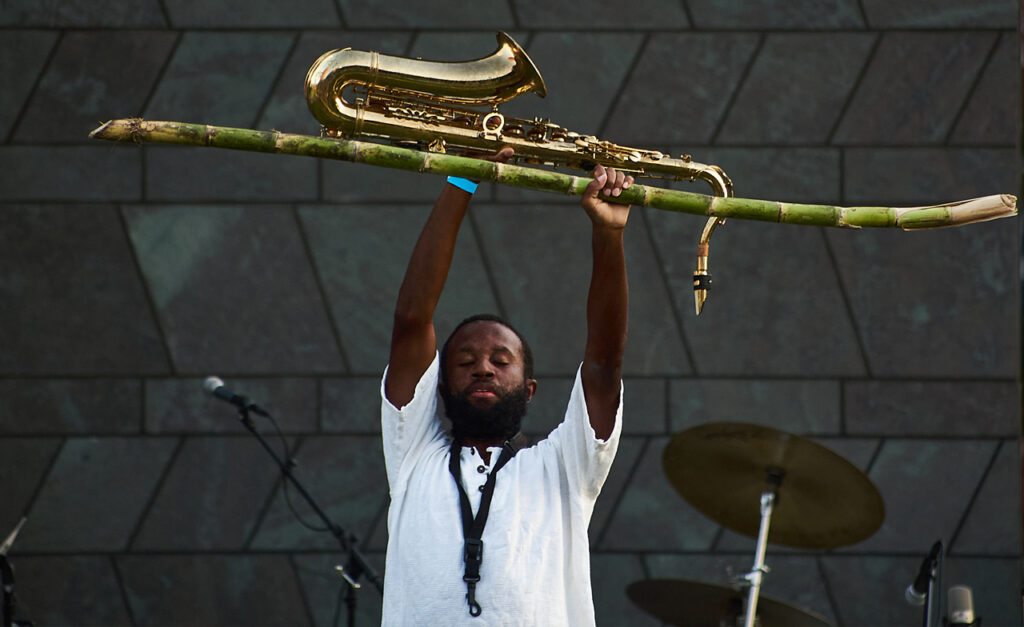
Ellis’s processional, precessional cessation and continuation of movement and music comes to us via his forthcoming release Aster of Ceremonies (Milkweed Editions, 2023)
A full-blooded, emotional attempt to reinvigorate improvisation from a musically inclined philosopher and two philosophically inclined improvisers.
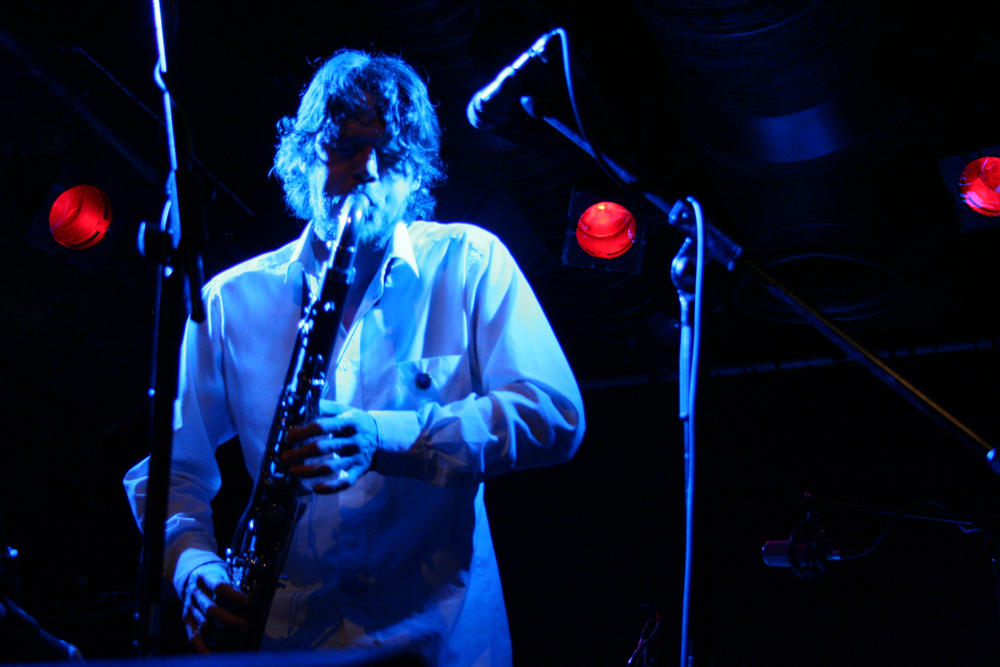
Solo performance on bass clarinet, jaw harp & voice by Arrington De Dionyso.
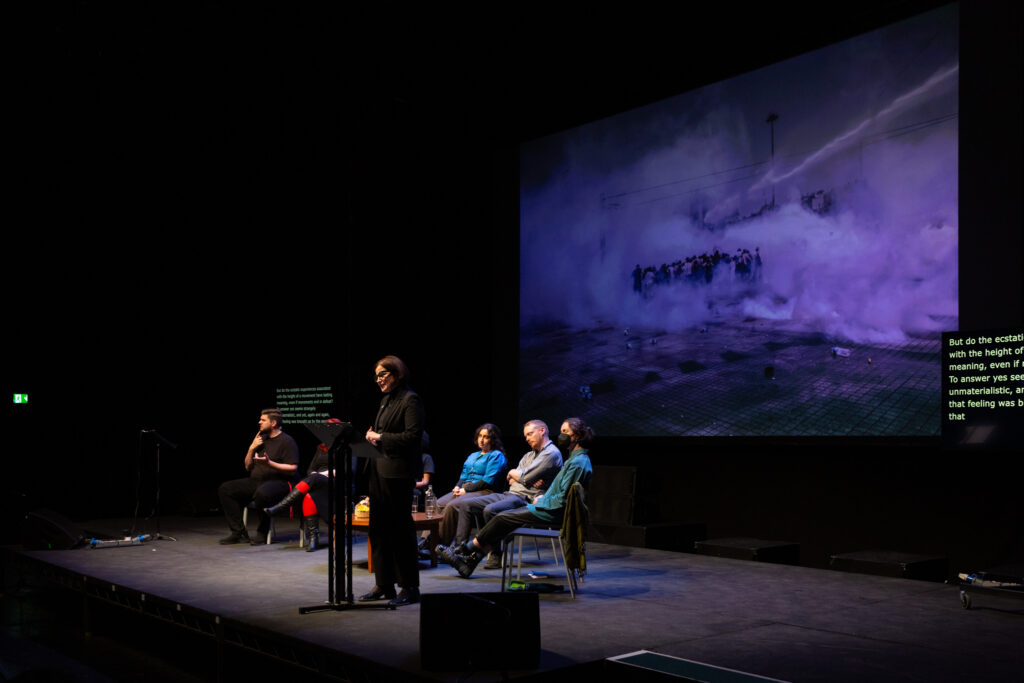
Four perspectives from people involved in different anti-capitalist and anti-racist struggles, considering how ideas of ‘ending’ have shaped their political thinking and praxis.
An excavation of the 1805 Lock Hospital in Glasgow. Its official function was to support ‘unfortunate females with venereal disease’, but really what happened was that women and girls were marched in, experimented on, and often never released.
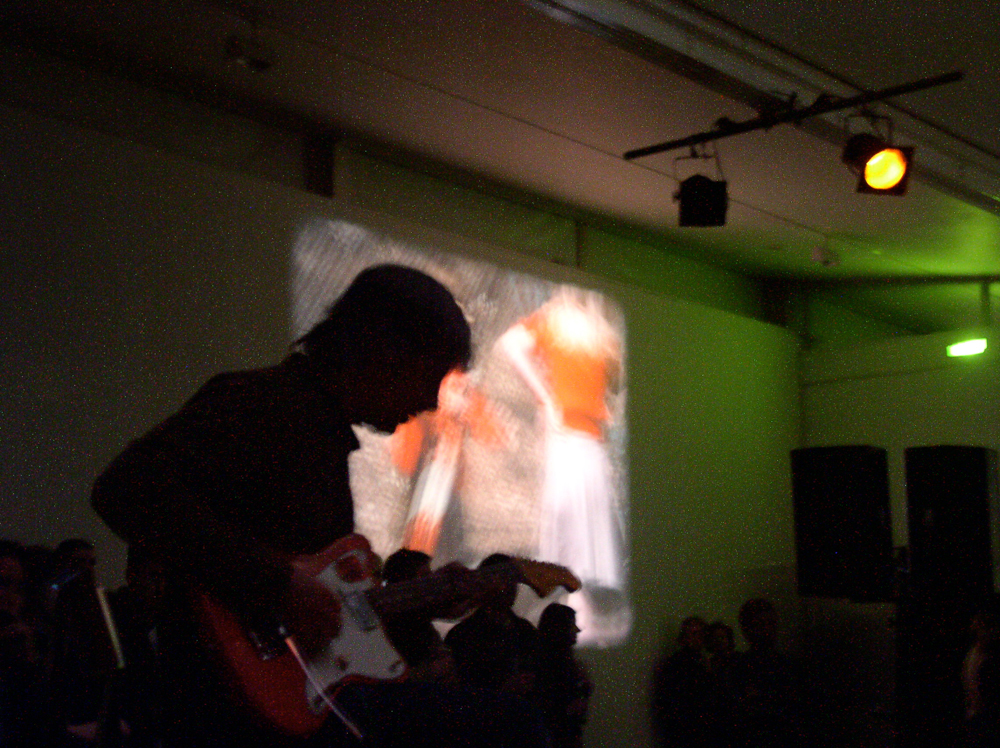
Freeform Super 8mm documentation of Friday at Instal 06 by filmmaker Matt Hulse.
As opposed to suggesting soundtrack’s to Brakhage’s works [which are almost entirely silent] Text of Light use his works to stimulate improvisation, enveloping them into the structure of the group much like an additional musician.
How does this practice, that simultaneously resists and honours the distinctions between these genres, materials and senses, determine the inhabitation of another: a convergence of aesthetic and social experimentation?
When we look, how do we objectify the body; how can we reflect on our (self) image as a construction?