Masayoshi Urabe
Masayoshi Urabe
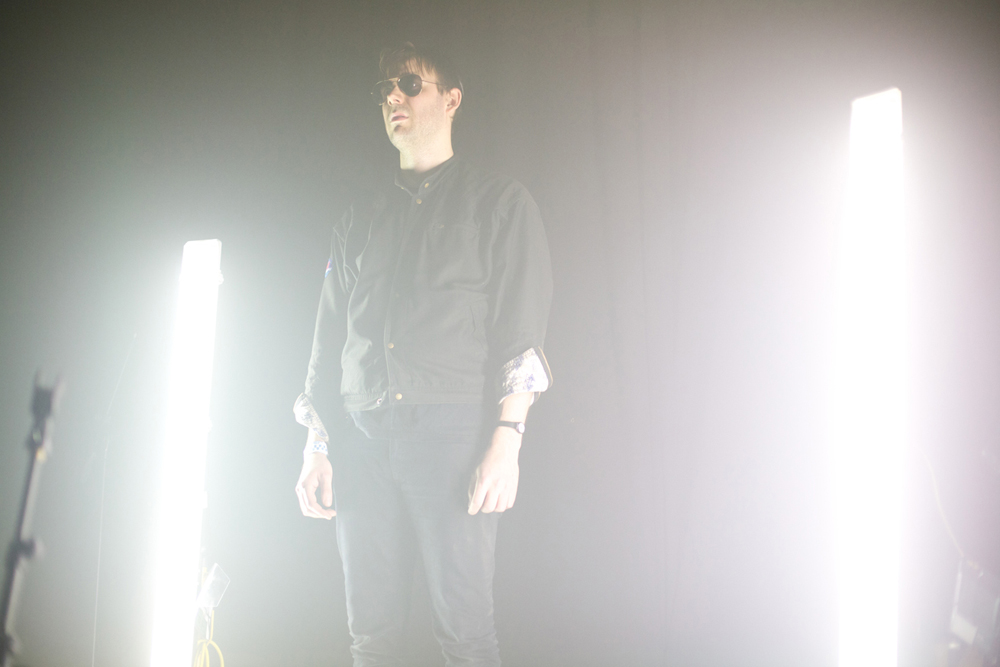
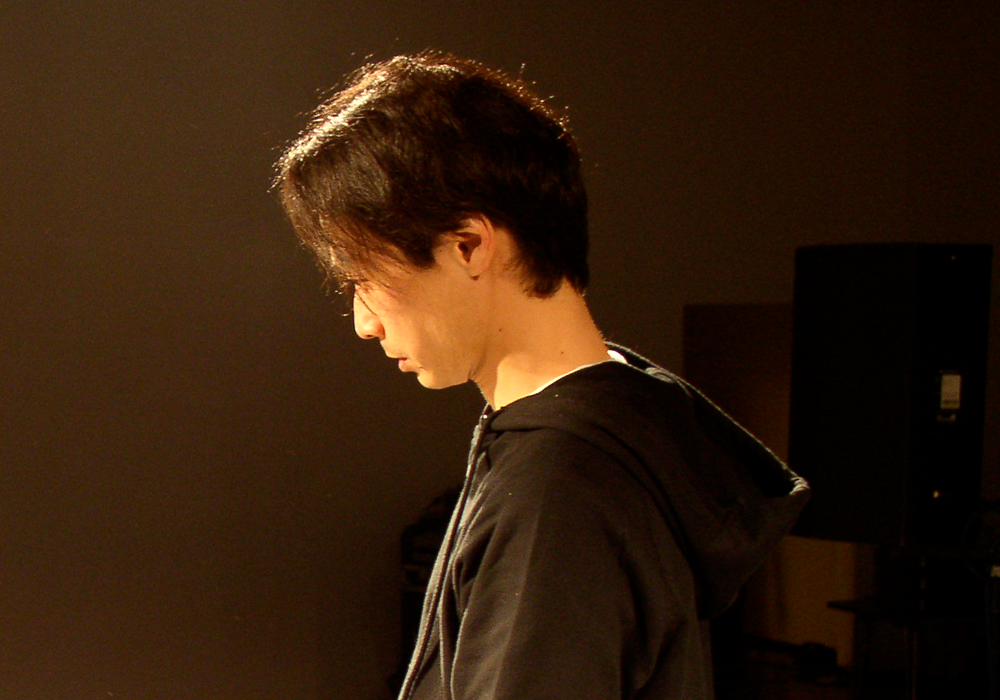
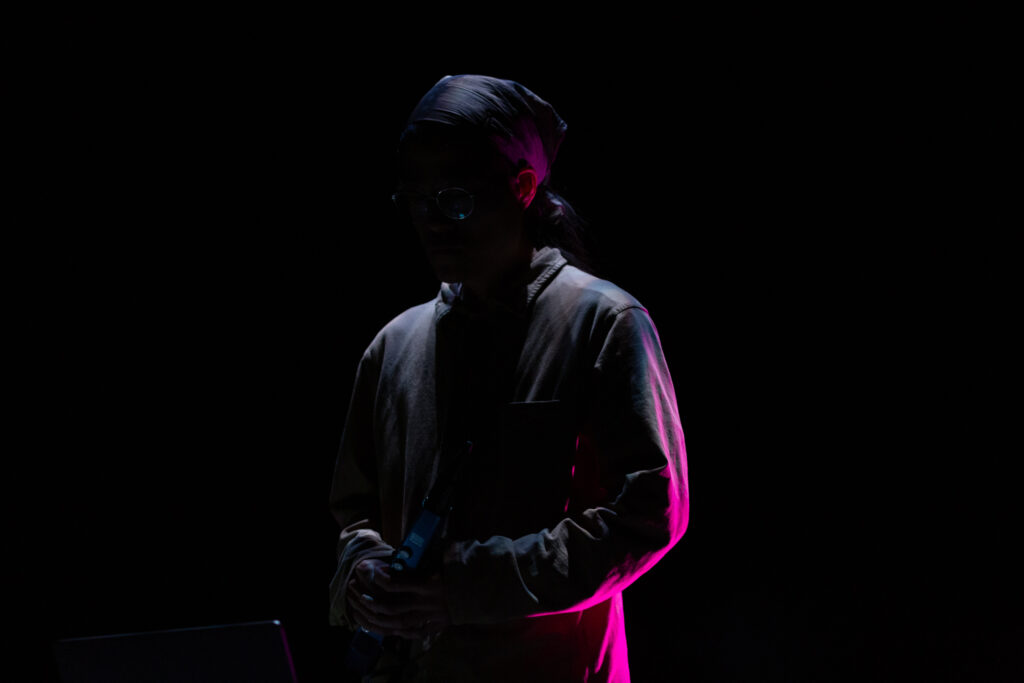
Tormented and drawn-out high-pitched yelps and drones, all interleaved with periods of torpid silence.
Arika have been creating events since 2001. The Archive is space to share the documentation of our work, over 600 events from the past 20 years. Browse the archive by event, artists and collections, explore using theme pairs, or use the index for a comprehensive overview.
Tormented and drawn-out high-pitched yelps and drones, all interleaved with periods of torpid silence.
During Episode 9 we made this clip with Storyboard P at Kinning Park Complex. Video by Ash Reid.
Temporary Outpost for an Auditory Gesture is a kind of performed installation that explores how sonic phenomena (like feedback, vibration, resonance, echo, rhythm) condition our experience.
A queer black operatic requiem for piano and voice that asks us to stay in the hold of the slave ship, that tries to understand the connection from the slave ship to the prison.
Solo by Jean-Philippe Gross, a French electro-acoustic improviser, working with mixing board, cheap mics, small speakers and an analog synth, built around a honed interest in feedback.
What is the radical concept at the core of ‘rhythm’, expanded from simply musical or mathematical notions to encompass personal, social, collective rhythms?
Criminal Queers visualises a radical trans/queer struggle against the prison industrial complex, working to abolish the multiple ways our hearts, genders, and desires are confined.
Multiple images, glimpses of old films, abstract images in the midst of an electro-acoustic sound field of tape loops & analogue synthesizers
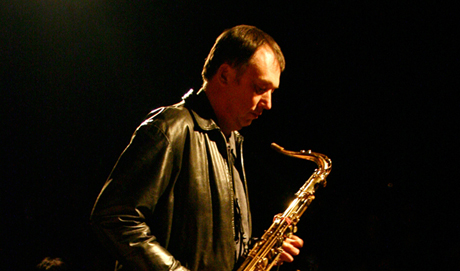
A sound of buzzing and flickering metallic drones, glottal stops and guttural growls, and also an explosiveness and purity of sound that reminds you as much of Bill Dixon as anyone else.
A prison abolitionist punk video-poetry-music mash up about our fucked-up dystopian society, RoboCop, kids toys and criminality.
Conceptual choreography as critique, in Ligia’s film of Caribbean plots and scandals, and the possibilities of anti-colonial revenge, rest and repair.
Do art forms like black radical poetry, free jazz and improvisation create a space for the performance of freedom? Did they ever? And can they still do so now?