Tim Goldie
Tim Goldie
Three intense solo performances for drums (both played and screamed through), cymbal, voice, credit card, bird whistle, and guitar amplifier/leads.
Arika have been creating events since 2001. The Archive is space to share the documentation of our work, over 600 events from the past 20 years. Browse the archive by event, artists and collections, explore using theme pairs, or use the index for a comprehensive overview.
Three intense solo performances for drums (both played and screamed through), cymbal, voice, credit card, bird whistle, and guitar amplifier/leads.
A panel exploring the radical potential of technologies through fugitivity and opacity: their ability to obscure, to make it impossible for us to be known, to render us untraceable by every arm of the state even under the all-consuming spectre of surveillance capital.
Mashed up queer fantasy of worker’s revolts, biblical demons and present-day hells, and dubbed out cyborg-electro.
Do art forms like black radical poetry, free jazz and improvisation create a space for the performance of freedom? Did they ever? And can they still do so now?
An LSD trip gone right via dense explorations of post-Fahey steel and low level drone.
Three workshops lead up to an open invitation to improvise with the festival as concert. The last four hours of the Sunday 14 at Instal 10 were devoted to presentations devised during the three workshops. The material conditions (time, space, facilities…) were the instruments. From there anything could happen.
How black radical practices of abolition imagine a way out of the caging and mass killing of life.
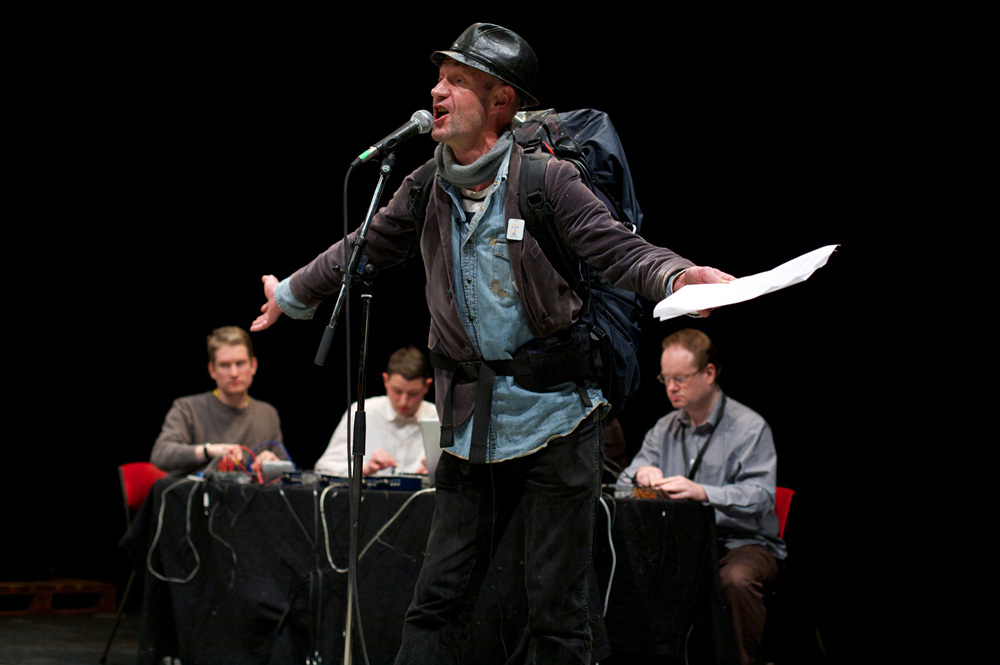
A performance, a radio show, an installation, an endurance test. A game of chance. Constantly broadcasting live, actor Tam Dean Burn will leave Tramway at the start of INSTAL and walk away from it, in an ever increasing spiral, for a day. Then he’ll walk back.
Seven women recite monologues composed from texts from the vibrant years of the Weimar Republic. A kind of cultural echo: an experience of histories brought to the present.
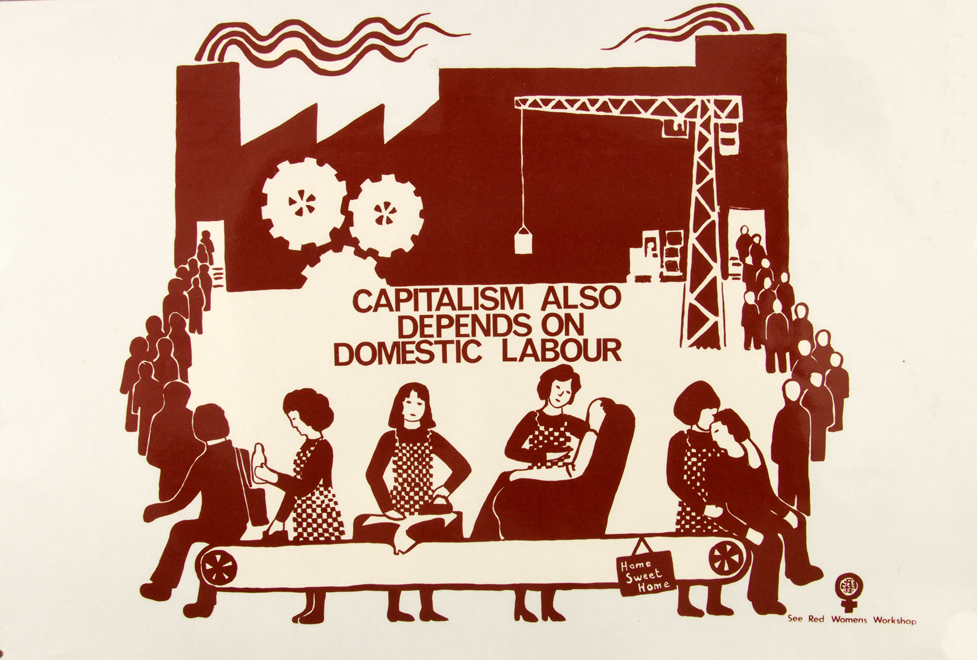
This session focuses in on the defiant mutual aid practices of early and DIY feminist movements in the UK, that attempted to shift and radicalise care and kinship away from the domain of the nuclear family.
Although Tony had visited Haino in Japan, and they played together in private, this was the first time anyone other that Haino’s cat saw them perform together.
In a moment of social exhaustion, we want to ask how we might care for each other differently. We Can’t Live Without Our Lives is a 5-day exploration of care as a form of struggle and resistance, with communities who embody it.