Workshop on Gestural Maths
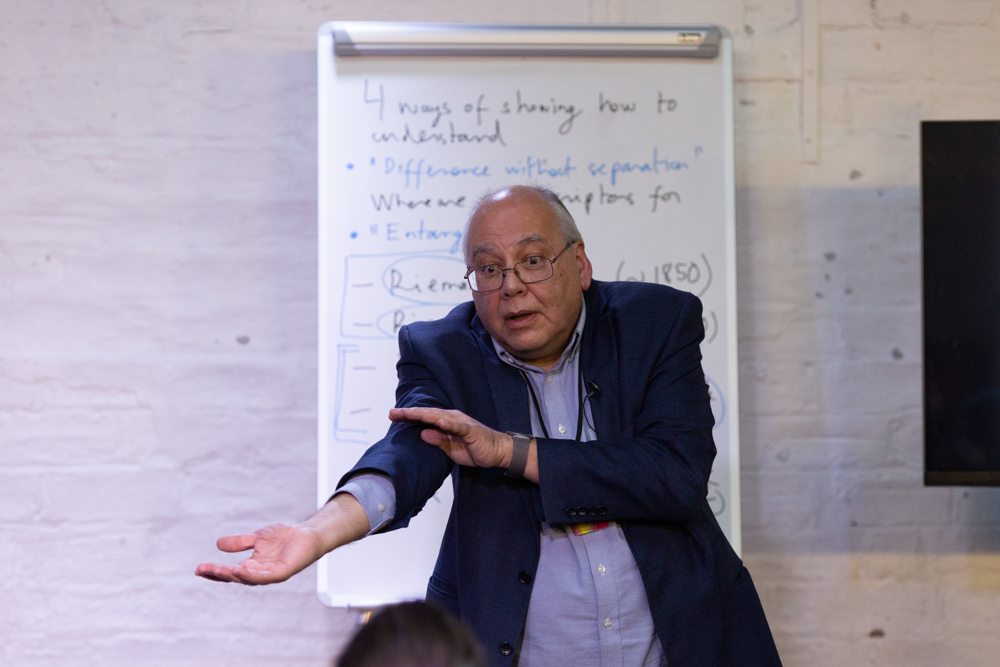
Fernando Zalamea
Fernando thinks that when maths is deep, it should be simple and able to be explained by hand gestures. By embodying ideas, we’re able to more clearly think about their cultural implications.
Arika have been creating events since 2001. The Archive is space to share the documentation of our work, over 600 events from the past 20 years. Browse the archive by event, artists and collections, explore using theme pairs, or use the index for a comprehensive overview.
Fernando thinks that when maths is deep, it should be simple and able to be explained by hand gestures. By embodying ideas, we’re able to more clearly think about their cultural implications.
Why won’t the idea of the particle or individual go away? Is the measurement problem in physics a documentary film issue? What can a human be without its crutches of life-time and measure?
A kind of performed installation of searing noise and silence, where we’re not sure who the performer is, when it starts or ends or even who it’s for.
Work for cello, percussion, contra bassoon and cherbulum commissioned for Instal in collaboration with Paragon
Artist Derek Lodge running a specially designed social space, somewhere for conversation, story-telling and interaction.
Includes: street portraits of kids in 1930’s Dakota, a mysterious foggy pilgrimage, a swarm of time-lapsed consumers, a stereoscopic analysis of mill life, up close and personal in a Lighting Bolt mosh pit.
Veterans of the psych-infused UK free noise scene, the Vibracathedral Orchestra is a hypnotic ur-drone group hailing from Leeds.
4 days of performances, discussions, workshops, screenings with mutant dancers, prison abolitionist poets, transfeminist revolutionaries, haunted noise, science fiction, sex worker resistance, crip erotics, radical pornography and militant fiction.
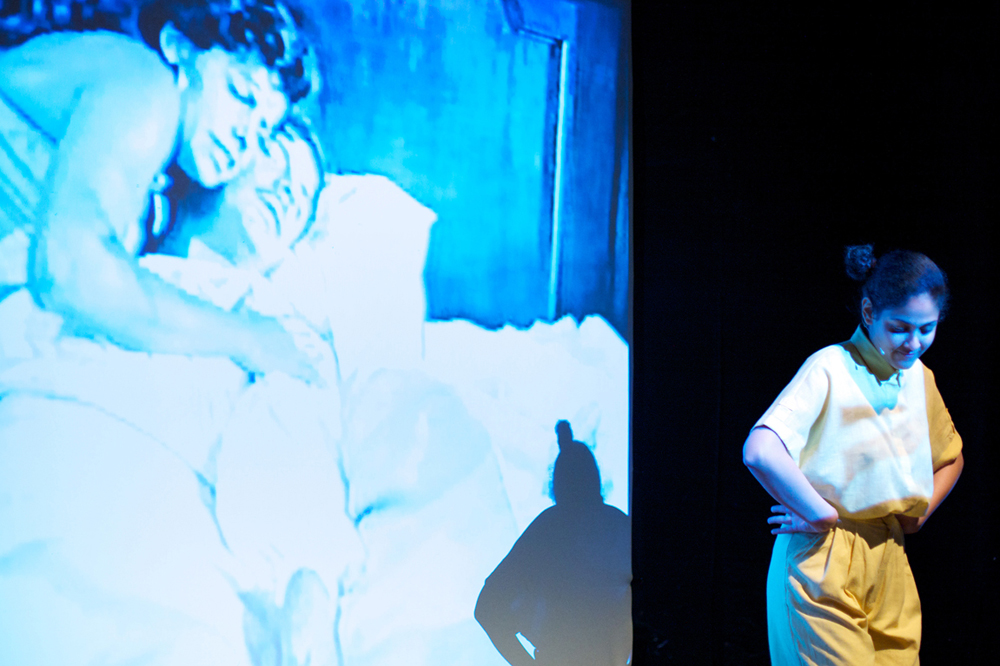
A performed film lecture exploring how the ‘Rumberas’ of Caribbean cinema of the 40’s and 50’s subverted demeaning images of themselves through dance, sound and a sociality that insisted on blackness as being a cultural performance, not simply due to skin colour.
Nina’s going to talk about November, by Hito Steyerl: what and how the film thinks, or about what and how it might makes us think (which is connected, but not the same thing), by watching, and it discussing (with you?).
The first of two workshops that highlight correspondence as a way of working. Somewhere between song, speech, and logistical arrangement, these workshops invite participants to consider care as infrastructure.
Smith/Stewart set up allegorical situations over which they often have little to no control, but which instigate explorations of dependence and trust, the body, sex and death.