Public Feelings
Ann Cvetkovich
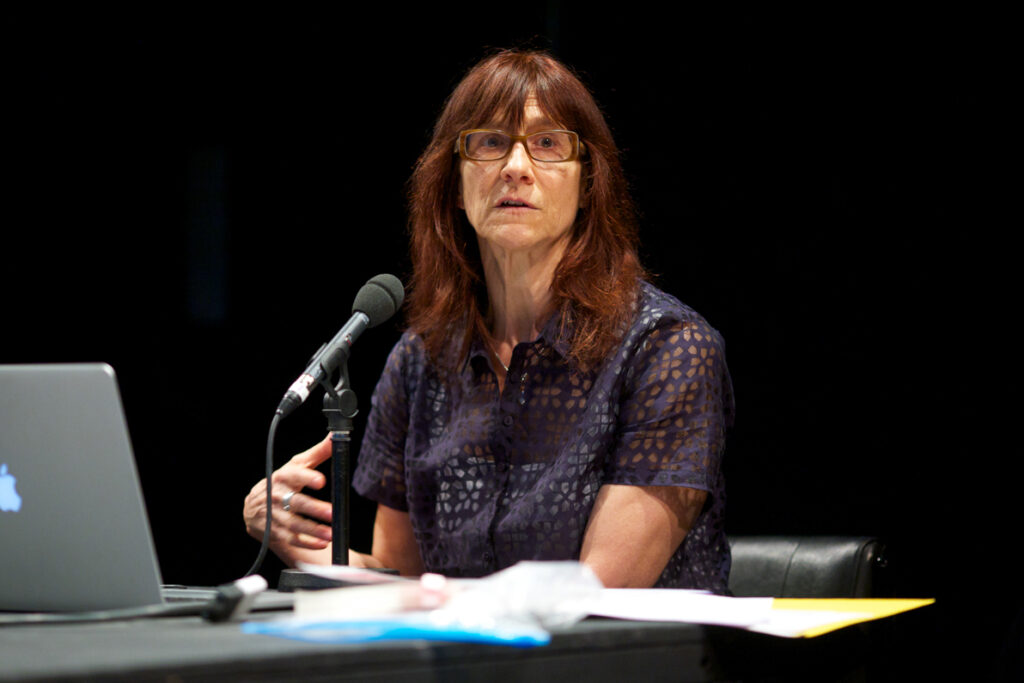
The role of feelings in public life, (political) depression and creative survival.
Arika have been creating events since 2001. The Archive is space to share the documentation of our work, over 600 events from the past 20 years. Browse the archive by event, artists and collections, explore using theme pairs, or use the index for a comprehensive overview.
The role of feelings in public life, (political) depression and creative survival.
Stripping back the domesticated ‘meaning’ of (everyday, mundane, kitchen) tools to reveal “a lexicon of rage and frustration.” Plus an allegorical use of mundane, everyday things as an examination of how meaning is constructed in film.
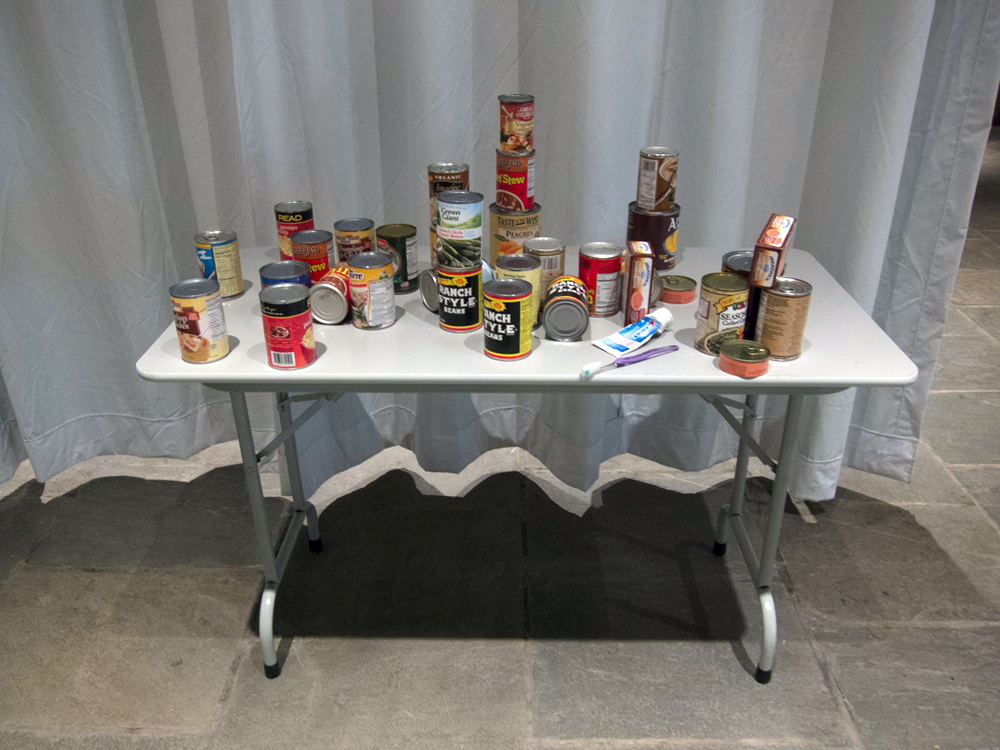
A testimony to poverty from Chris’s own experiences, and an invitation to engage with an all too typical situation and context through a kind of imaginary listening.
Everyday objects and materials (rubber bands, paper, a sink, microphones) disabused of their inertia and made to speak for themselves in a kind of focusing in on the tiny, repetitive, almost unobserved (sonic/ visual) potential of everyday things put into motion.
How black radical practices of abolition imagine a way out of the caging and mass killing of life.
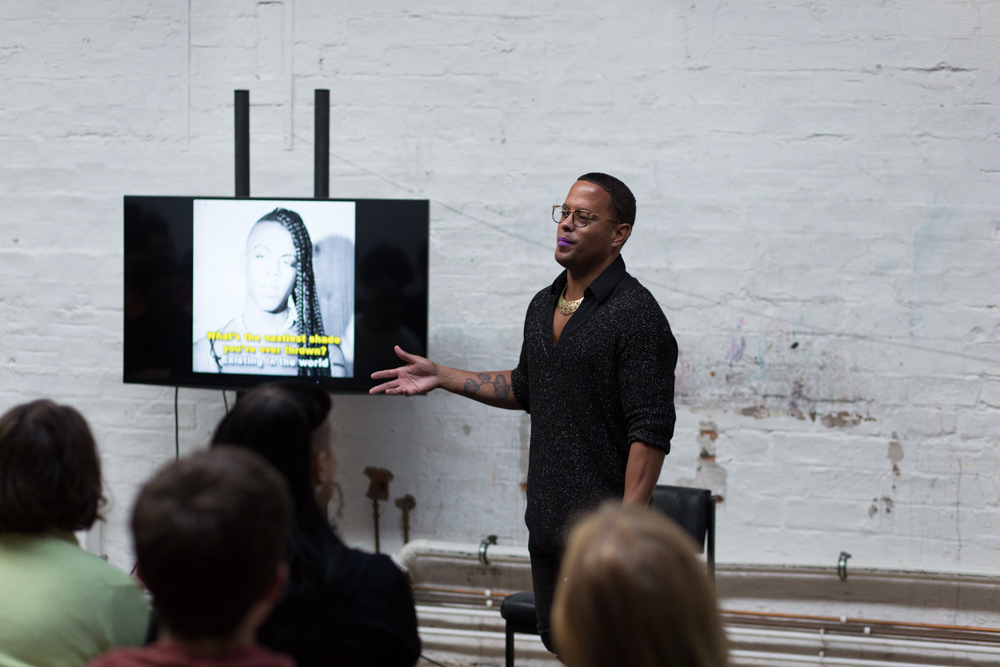
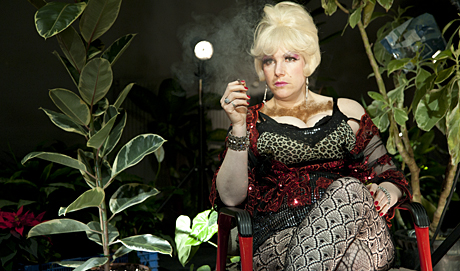
Trans-temporal drag, sexuality and the re-staging of illegible moments in history.
Three speakers play back pre-recorded sounds, Marc listens and responds: “What is played is the imperfect witness of what I listen to (or maybe better, how I listen).”
When we look, how do we objectify the body; how can we reflect on our (self) image as a construction?
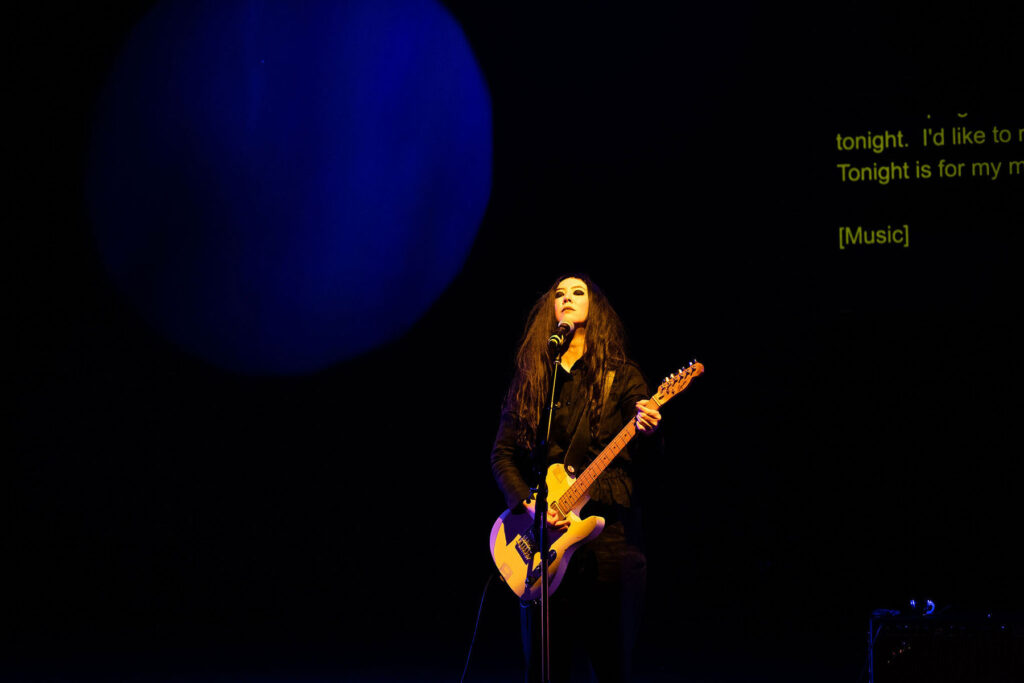
Guitar and voice. Keening, droning and mourning. Be ready to release and bring your dis-ease.
Freeform Super 8mm documentation of Saturday at Instal 06 by filmmaker Matt Hulse.
In 2008 we toured our Kill Your Timid Notion festival of experimental sound and image to London, Bristol and Glasgow, bringing audiences a taste of the previous 5 festival editions.
(Cyber)feminist, non-essentialist transgender and queer daily radio shows using the formula of morning radio as an arch way of thinking about the scripted behaviour and controlled empathy of systematic care.