UNINSTAL
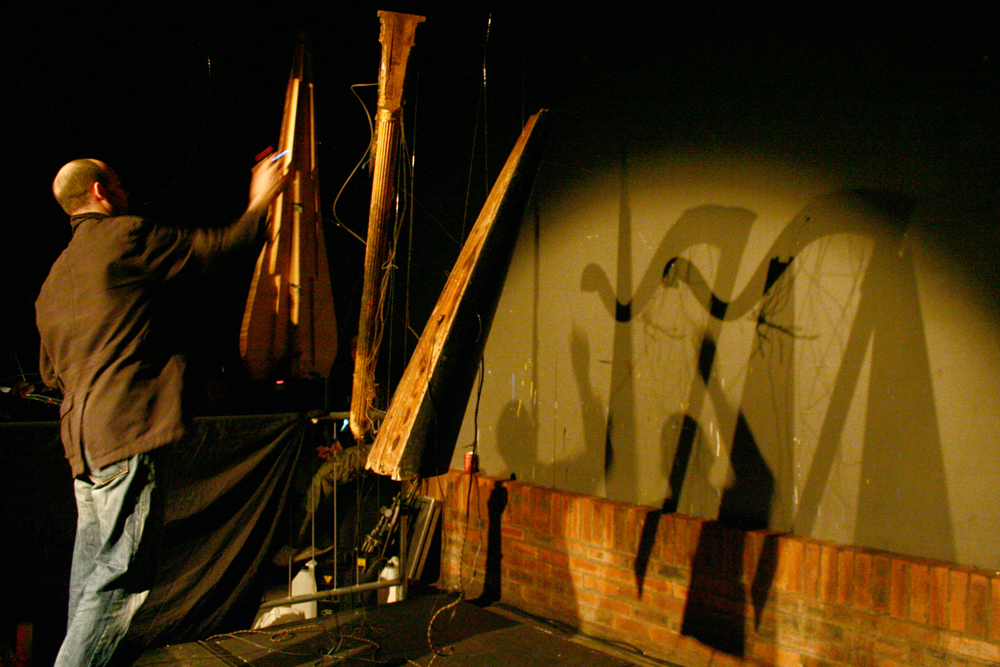
UNINSTAL was a set of events at Tramway that tested out radical ideas with leading local and international artists. A collection of events (performances, films, installations, walks and talks) about sound and listening.
Arika have been creating events since 2001. The Archive is space to share the documentation of our work, over 600 events from the past 20 years. Browse the archive by event, artists and collections, explore using theme pairs, or use the index for a comprehensive overview.
UNINSTAL was a set of events at Tramway that tested out radical ideas with leading local and international artists. A collection of events (performances, films, installations, walks and talks) about sound and listening.
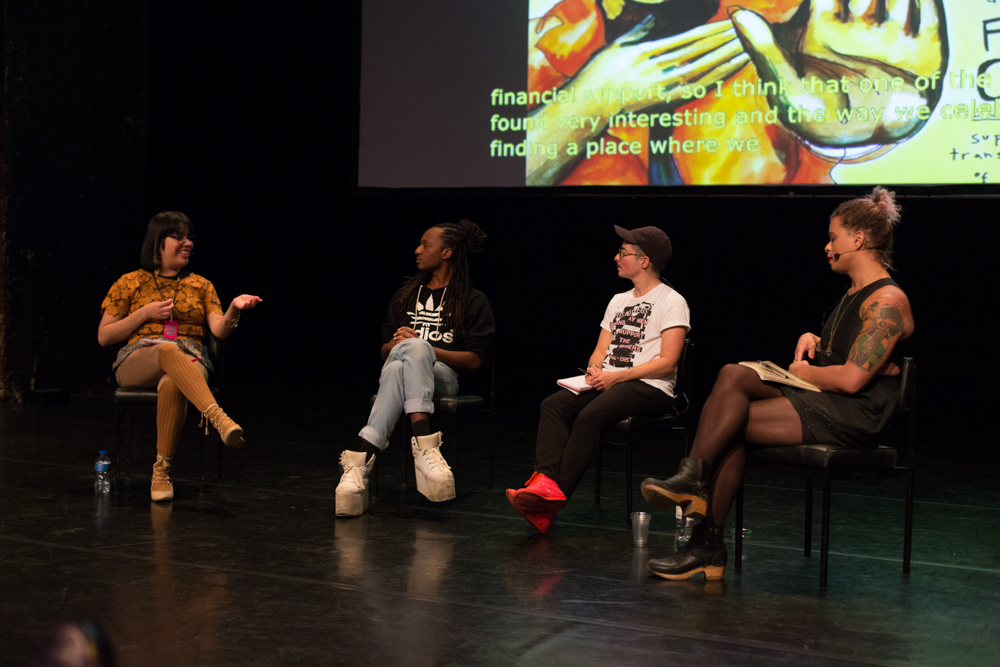
(Cyber)feminist, non-essentialist transgender and queer daily radio shows using the formula of morning radio as an arch way of thinking about the scripted behaviour and controlled empathy of systematic care.
One of the most influential groups in improvised music, with the collective understanding that comes from listening keenly to each other for decades
Radical transfeminism aims to hold the space for finding relations between the ruins of the everyday. Emerging from the debris, spaces for politics find form as poetics to carry understandings, actions and be/longings.
Sachiko’s very simple, pure sine tones and structures. Otomo on double pianos. Filament’s music isn’t composed and it isn’t improvised: it’s a hybrid of the two.
In rethinking the body, the law, the state, gender, race, violence, care and empathy, how we might give humanness a different future?
Life and death dramas unfold in the snowy American North, using three-screen documentary footage and a soundtrack by KYTN favourite, vocalist Daniel Menche.
A festival asking how ideas of nihilism, darkness, subjectivity and abjection play out in experimental music, performance art, horror, neuroscience and philosophy?
Kenneth Goldsmith reads extracts of his conceptual poetry and Achim Wollscheid manipulates mobile phone signals.
A panel exploring how to dismantle the master’s house — its material edifices and ideological architecture — and the construction of abolitionist futures in the present.
Hartmut led “a workshop in the old-fashioned way of discussion, mutual exploration of ideas and samples; trying out what can be shared and where the fault lines show.”
A socio-poetic reading on wayward communities – The wayward create upheavals, incite tumult. They come and go as they please; they are fugitive; they are in open rebellion against society.