Unstable, fragile but daring together
Emma Hedditch Howard Slater Laurie Pitt Liam Casey Mattin
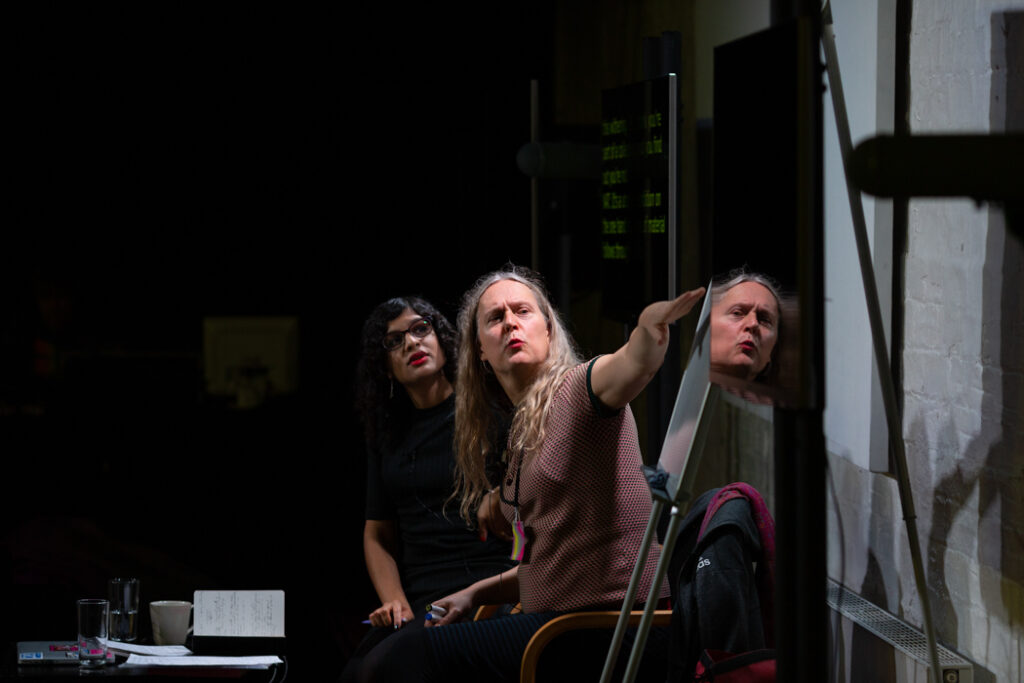
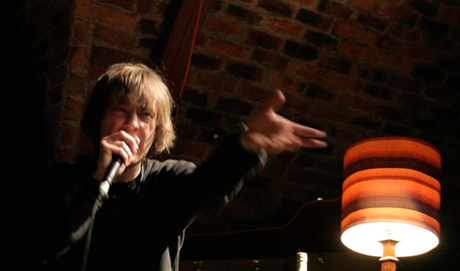
Instead of the one-way monologue of normal performance, what would be the result of an actual collective dialogue? Where would it go?
Arika have been creating events since 2001. The Archive is space to share the documentation of our work, over 600 events from the past 20 years. Browse the archive by event, artists and collections, explore using theme pairs, or use the index for a comprehensive overview.
Instead of the one-way monologue of normal performance, what would be the result of an actual collective dialogue? Where would it go?
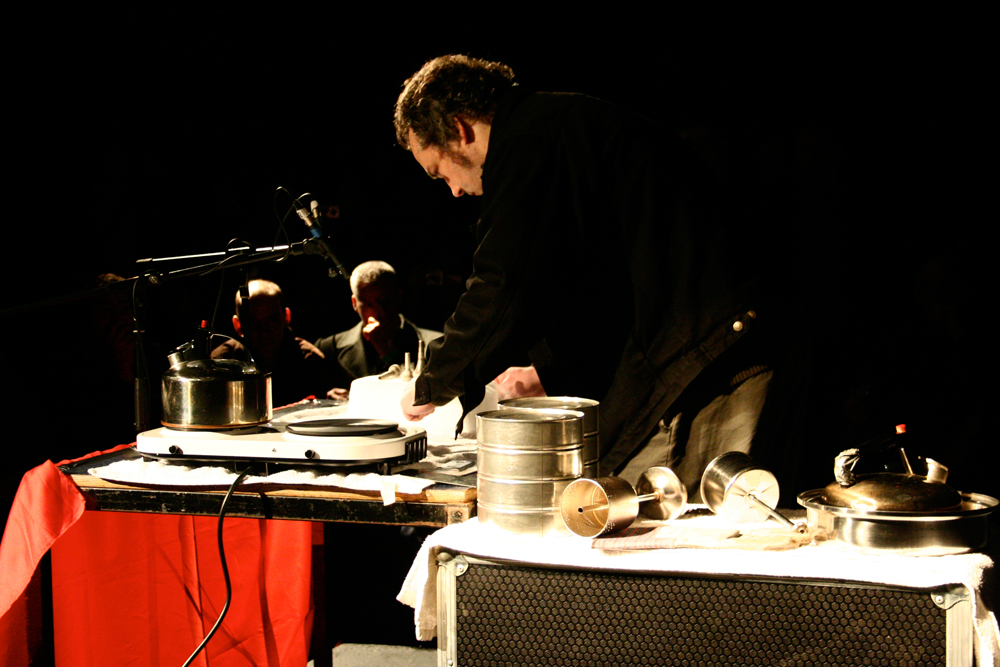
Michael Colligan pressing white hot metal into dry ice, causing the metal to sing and scream.
Underlying radical transfeminism, as an urgent critique of binary essentialism and fixed identities, is the call for a new kind of thinking that can move between and integrate the truths of all lives in their transformations.
A prison abolitionist punk video-poetry-music mash up about our fucked-up dystopian society, RoboCop, kids toys and criminality.
A sung-through Nubian musical ballet. A darkly humorous take on sexual trauma and what magical and ancestral tools might heal it.
For musical chameleon Richard Youngs both his creative and family life are focused in the room that many of us consider the centre piece of our lives.
ACCESS: SOUND FILE A day-long salon accompanying KYTN focusing on sound art.
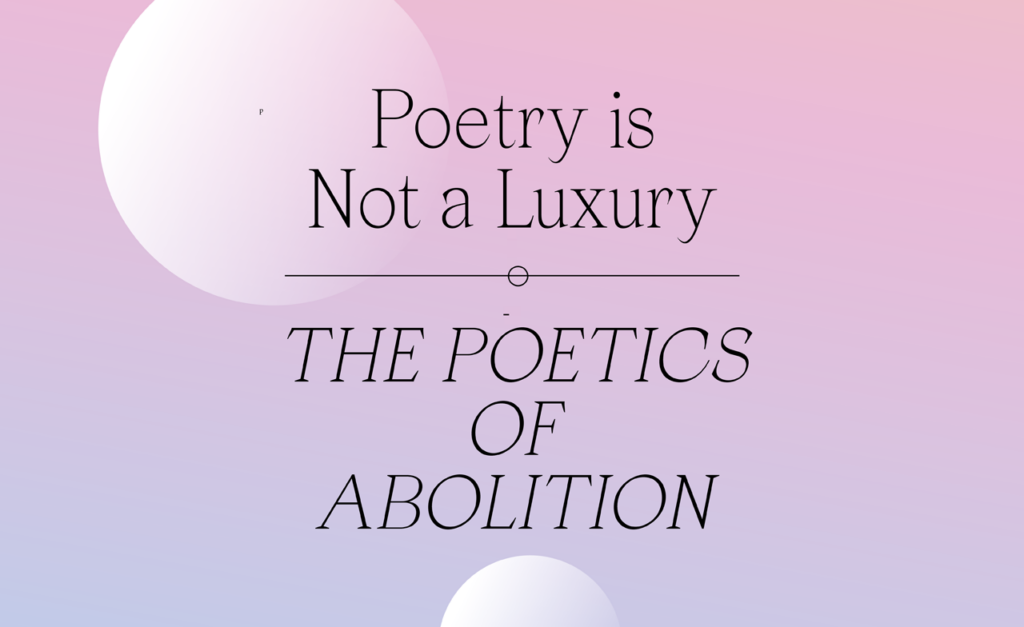
A panel exploring the poetics of abolition. “Poetry is not only dream and vision; it is the skeleton architecture of our lives. It lays the foundations for a future of change.”
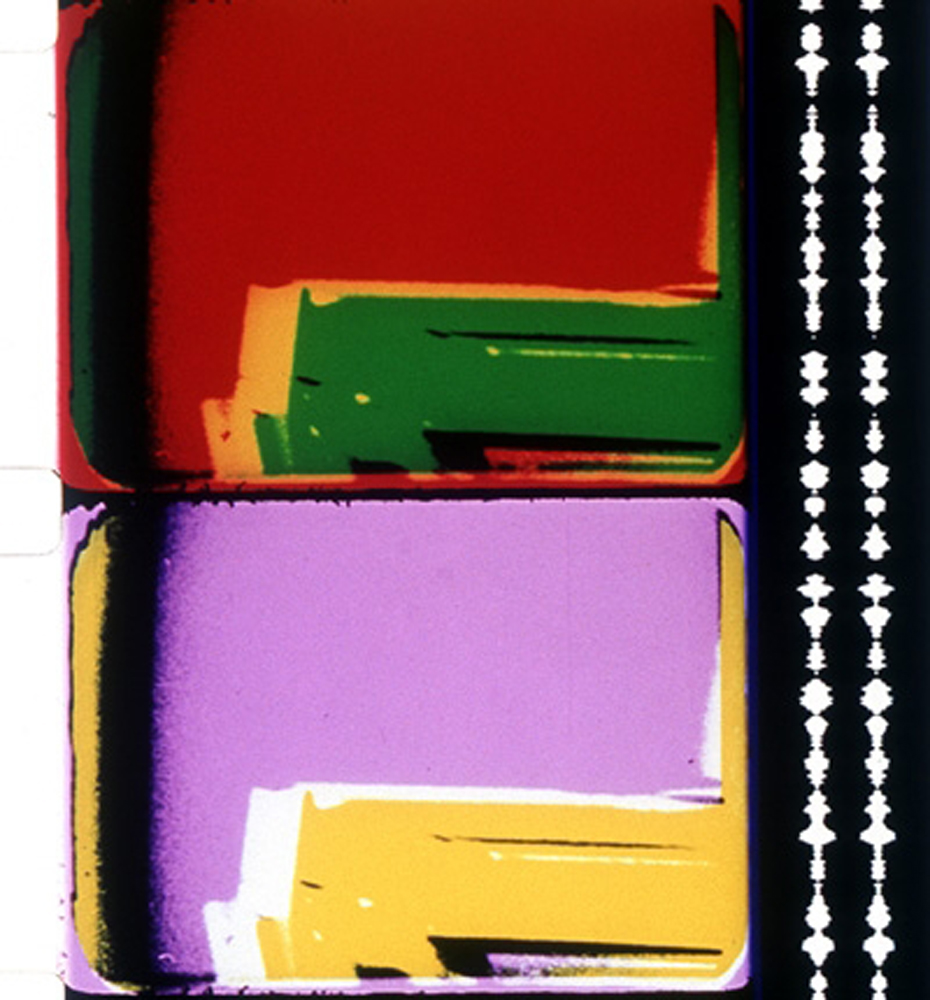
This programme is a celebration of Charlemagne Palestine; passionate, extravagant, visceral. Including two sections from Ritual dans le Vide, an extension of his ‘running camera’ works of the 70’s and Pip Chodorov’s vibrant workout of a live version of Strumming Music.
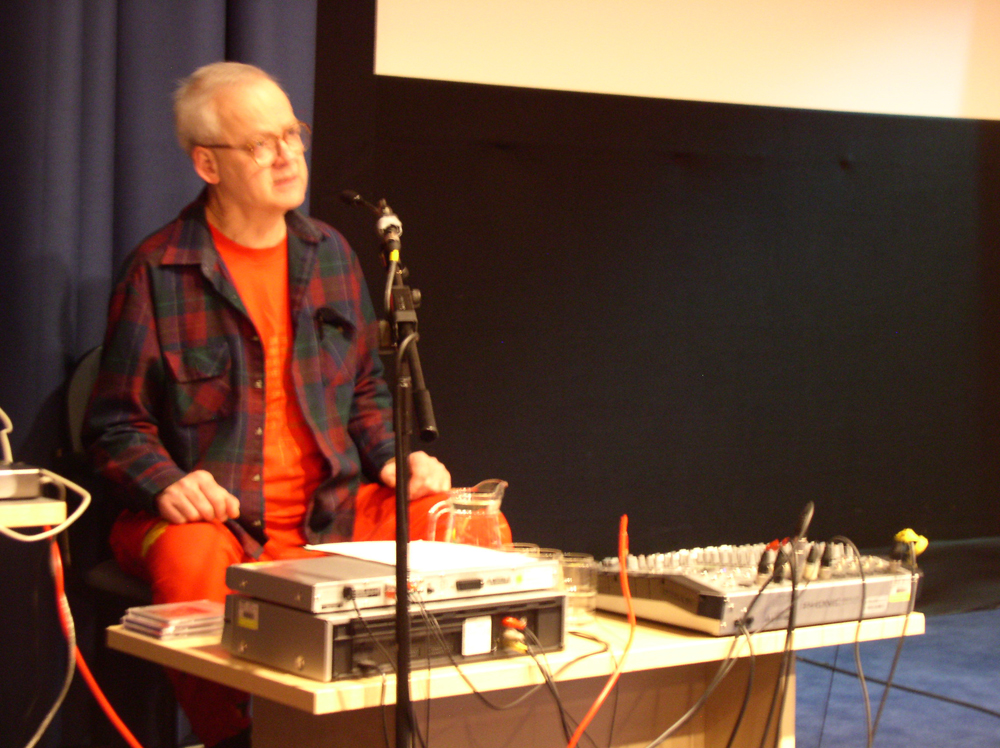
How do you know what you want? Should freedom be doing what you ought, not doing what you want? How might a philosopher and artist turn this thinking into an enabling condition in the context of noise and improvisation?
In Ramayya’s visionary poetry, the body assumes as many forms as love produces states: attraction and repulsion, excitement and exhaustion, selfishness and the dissolution of self.
Can we use sound, repetition and difference to personally and collectively engage with space, time and labour?