dazwischen
Eva-Maria Houben
Solo organ performance by German composer Eva-Maria Houben, which focuses on ‘nearly nothing’ to expand the way we listen.
Arika have been creating events since 2001. The Archive is space to share the documentation of our work, over 600 events from the past 20 years. Browse the archive by event, artists and collections, explore using theme pairs, or use the index for a comprehensive overview.
Solo organ performance by German composer Eva-Maria Houben, which focuses on ‘nearly nothing’ to expand the way we listen.
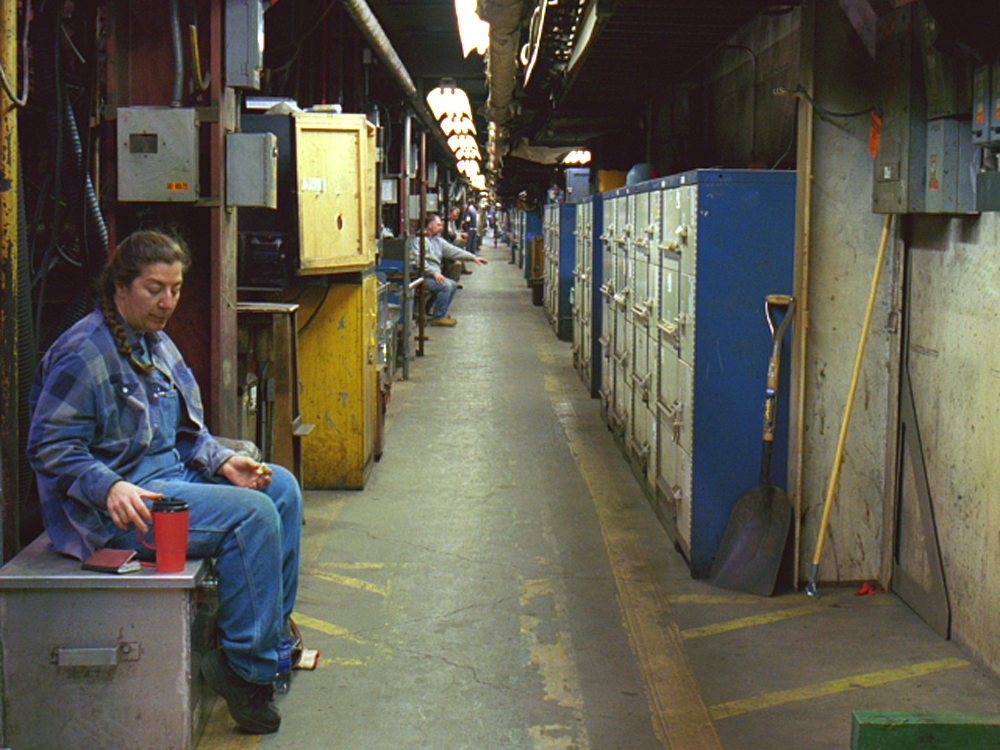
A slowed down single tracking shot along a corridor as workers at the Bath Iron Works, (Maine, USA) take their lunch break.
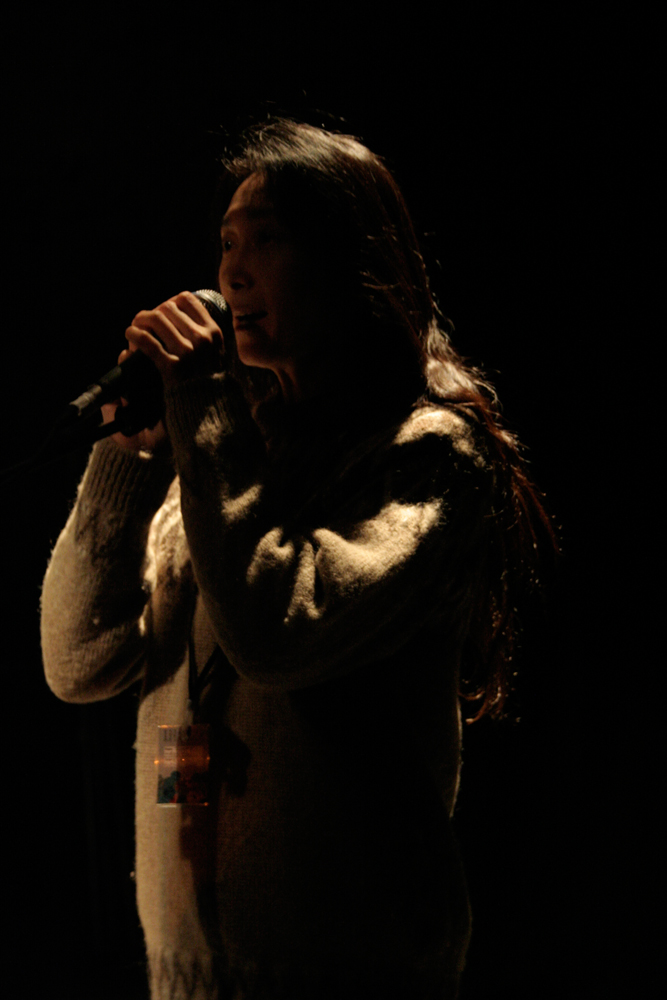
Trio vocal performance of a score by Achim Wollscheid with Aileen Campbell, Junko and Dylan Nyoukis.
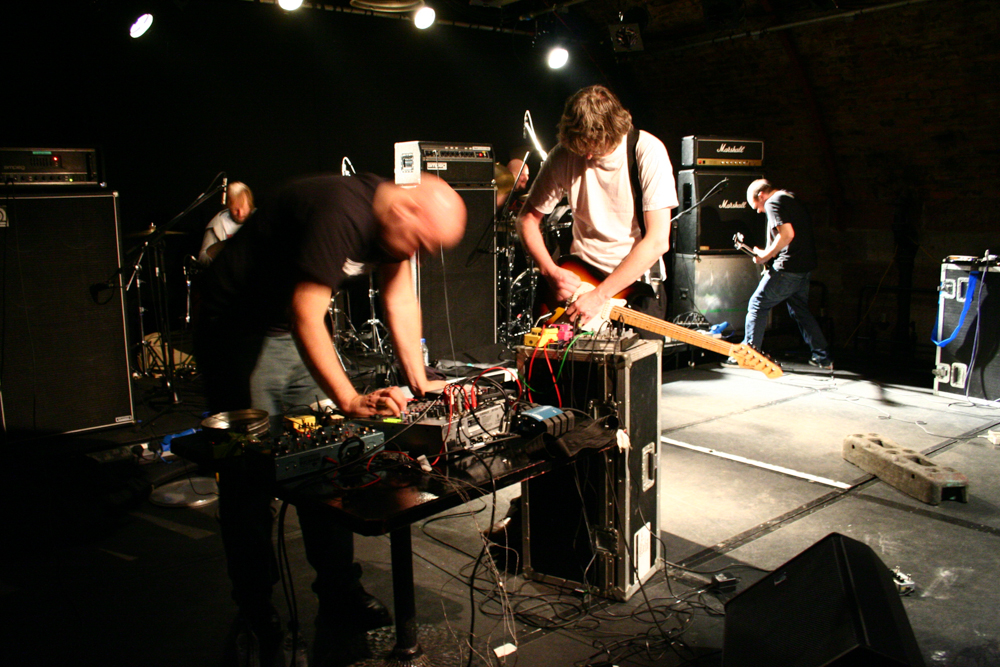
A black hole of dense heaviosity, full of slow motion riffage, tectonic pummel and massive planet destroying rock.
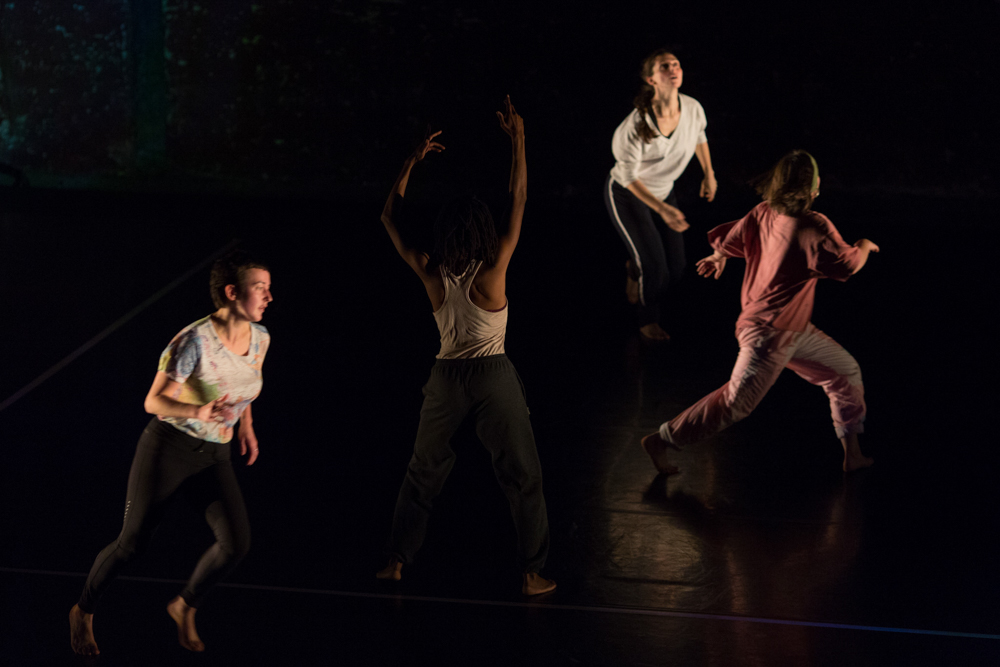
Over 3 days Episode 8 celebrates all the unruly ways we escape attempts to constrain us, tear down the walls of normative culture and build joy in flight.
The ongoing development of [b]reach, an abolitionist black queer retelling of Marge Piercy’s incredible feminist utopian novel Woman on the Edge of Time.
Guy Sherwin gives a kind of annotated, chat through his optical sound films
Dave will lead a session created for teenagers and designed to stimulate a supportive environment for artistic exploration through music improvisation.
The first of two short film programmes featuring works that blur the boundaries between music and film from artists who cross and redefine those long held divisions. This programme focuses on the forebearers of filmic and musical innovation over the last 70 years.
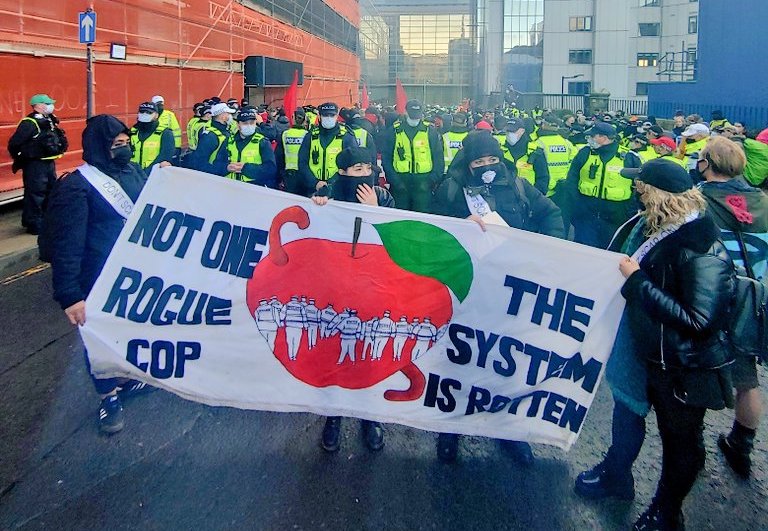
A space to reflect on our own experiences with the police and explore more community and care-based ways of dealing with violence and difficulties in our lives.
Hijokaidan rapidly built a following due to the overwhelmingly physical intensity of their live performances, often involving destructive onstage rituals of vomit, urine, mangled guitars and ear shredding volume.
Rather than asking the state for services, what kinds of change are made possible when we prioritise people supporting each other?