John Wall
John Wall
Tiny fragments of sound recombined and woven into spare and precise, violent yet beautiful pieces
Arika have been creating events since 2001. The Archive is space to share the documentation of our work, over 600 events from the past 20 years. Browse the archive by event, artists and collections, explore using theme pairs, or use the index for a comprehensive overview.
Tiny fragments of sound recombined and woven into spare and precise, violent yet beautiful pieces
Sachiko M and Ami Yoshida, two of the most prominent members of the Onkyo movement, place much more emphasis on sound texture than on musical structure, distilling elements of techno, noise, and electronic music into a unique hybrid.
Boston duo of saxophonist Bhob Rainey and trumpeter Greg Kelley approach their improvisations with a slew if extended techniques and pregnant silences.
Looking at and listening to different ideas about sound and music, INSTAL 09’s collection of artists included Tetsuo Kogawa, vocalist Joan La Barbara, Phil Minton (and his Century FC feral choir), Austrian Actionist Hermann Nitsch, Steve McCaffery and many more.
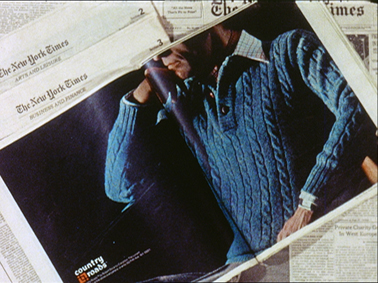
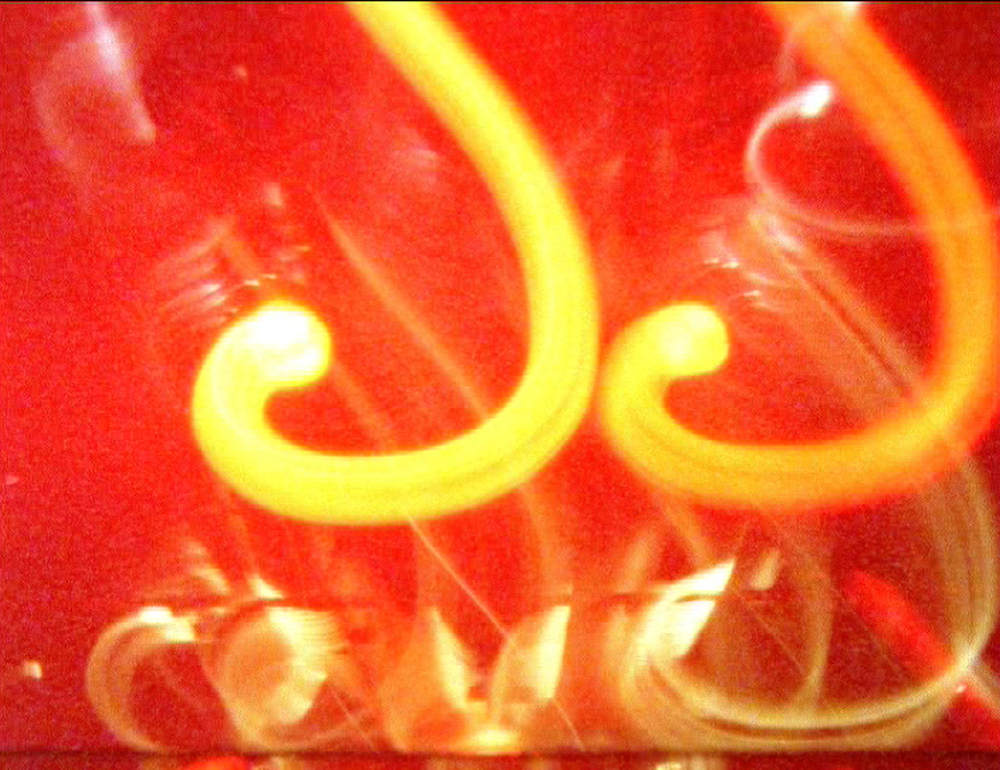
Beat poet Ira Cohen’s now infamous and wildly psychedelic film odyssey feeds one’s own seeing apparatus through beautifully warped and distorting mylar mirrors, resulting in a film dense and rich with visual arcana and poetry.
Solo performance by Diamanda Galás one of the great artists of the last forty years. Hers is an emotional expressionism of demonic shrieks, operatic falsettos, glottal clicks and diabolical growls.
How might two of the great musicians working within contrasting traditions of freedom collaborate? What might this produce: musically, socially, allegorically?
A queer black operatic requiem for piano and voice that asks us to stay in the hold of the slave ship, that tries to understand the connection from the slave ship to the prison.
Is there a link between the ways we’re caged and exiled by the prison-industrial complex and the ways people’s bodies are violently categorised and segregated by race, class, gender or ability?
Dworkin asks: What would a non-expressive poetry look like? A poetry of intellect rather than emotion?
A panel exploring the radical potential of technologies through fugitivity and opacity: their ability to obscure, to make it impossible for us to be known, to render us untraceable by every arm of the state even under the all-consuming spectre of surveillance capital.
Sax/Drums duo of raucous, pealing noise, and cries of beguiling lyricism, whispered sax phrases float in a timbral cloud of bowed metal and rumbling toms.