Philip Jeck
Philip Jeck
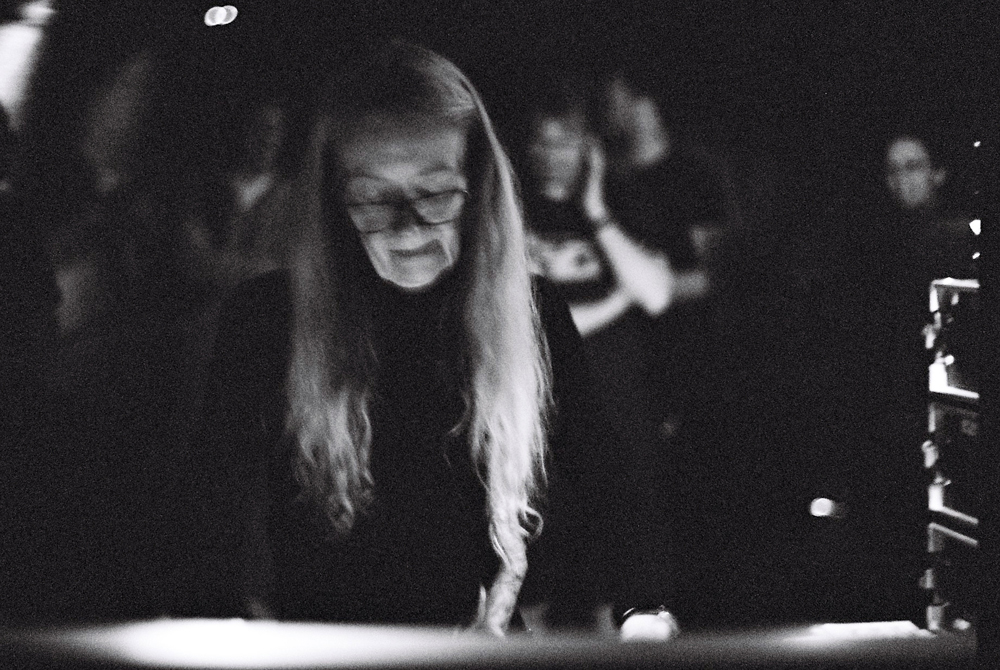
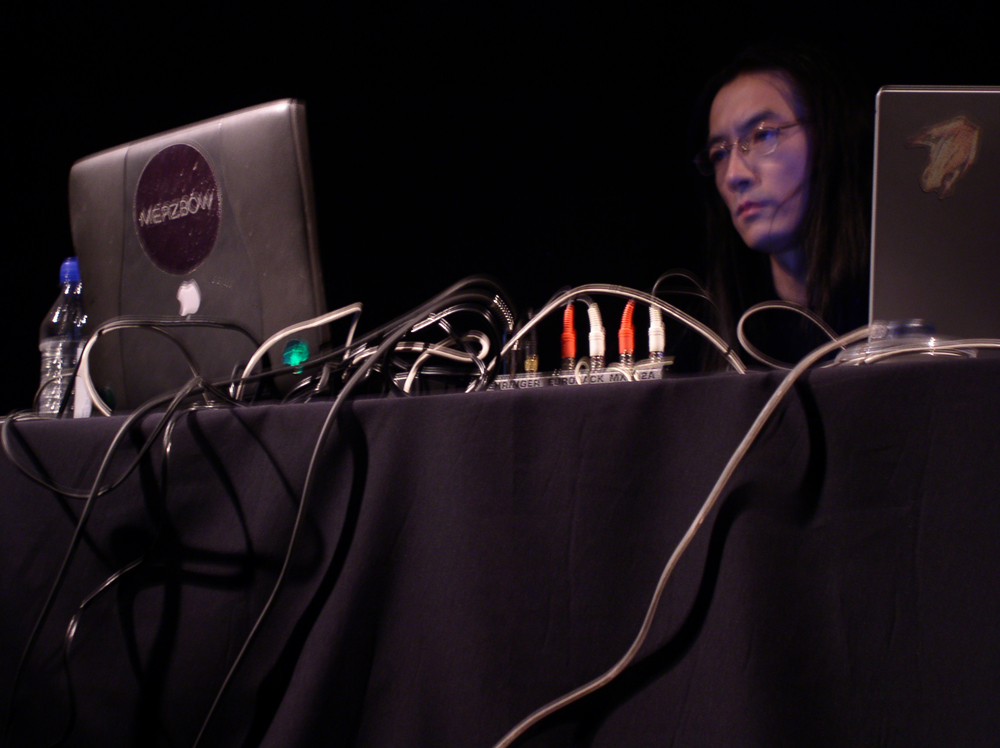
Philip Jeck creates slowly evolving symphonies that are as much about the crackling hiss of old vinyl as the actual ‘musical’ material.
Arika have been creating events since 2001. The Archive is space to share the documentation of our work, over 600 events from the past 20 years. Browse the archive by event, artists and collections, explore using theme pairs, or use the index for a comprehensive overview.
Philip Jeck creates slowly evolving symphonies that are as much about the crackling hiss of old vinyl as the actual ‘musical’ material.
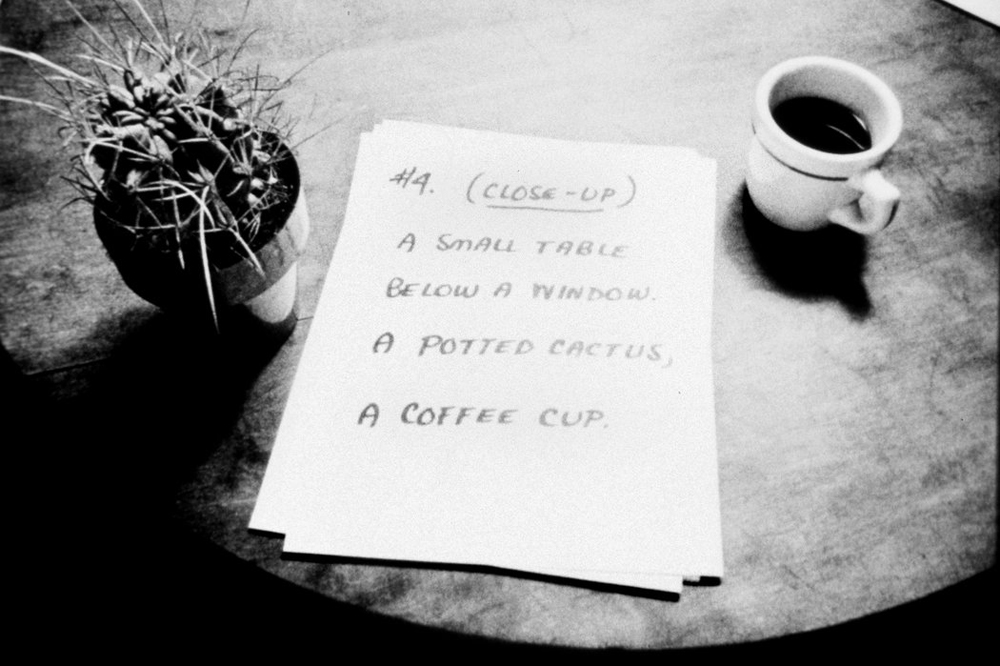
A cinema of the mind, a film to take place in the viewers’ imagination(s).
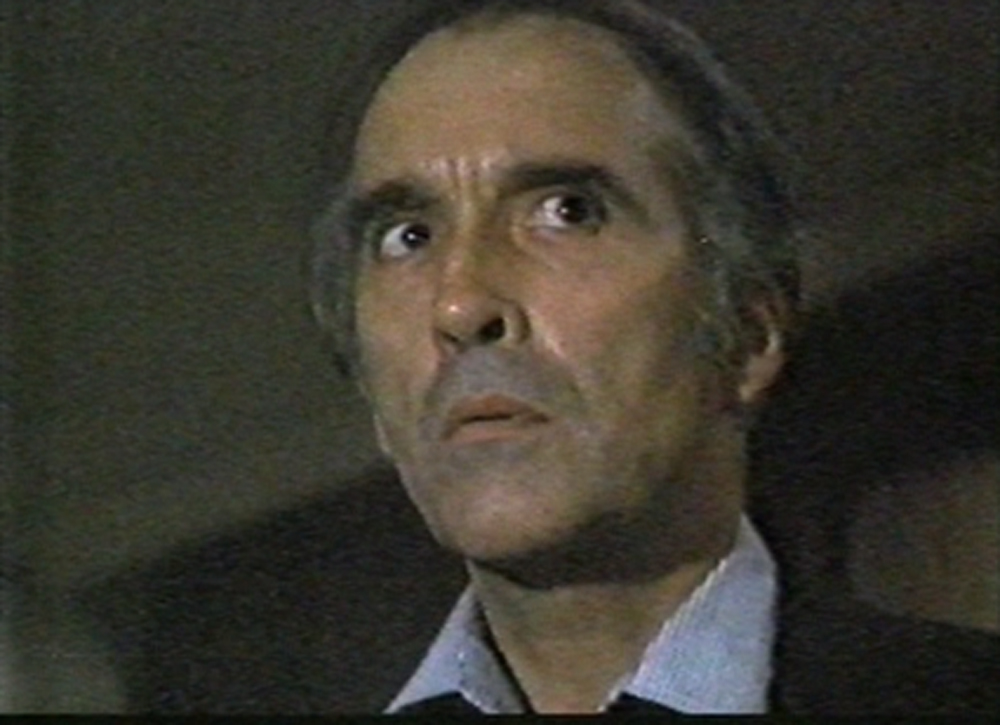
Whether drawing their own fractured, abstract narrative, or re-contextualising, chewing up and spitting out someone else’s, each of the films here take a dramatic arc as their starting point and throw it to the wind.
How can we imagine bodies not as an end in themselves, but as a medium through which we can become one another’s means?
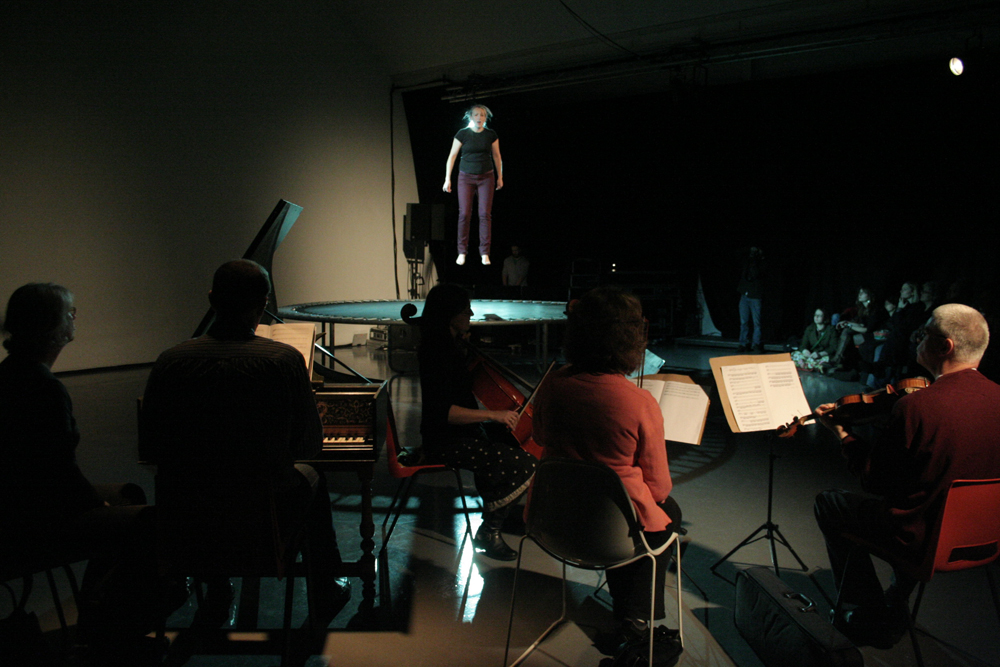
A chorister attempting to sing Vivaldi, with live accompaniment, while trampolining for 20 minutes.
Reading their letters to each other, and chatting about prefigurative politics as the practice of relentlessly building worlds through unspeakable violence and loss; of building worlds and living in them anyway.
A rare live performance which, although not a full installation, made use of the unique acoustic and spatial properties of the Arches to rattle the audience and help it locate its third ear.
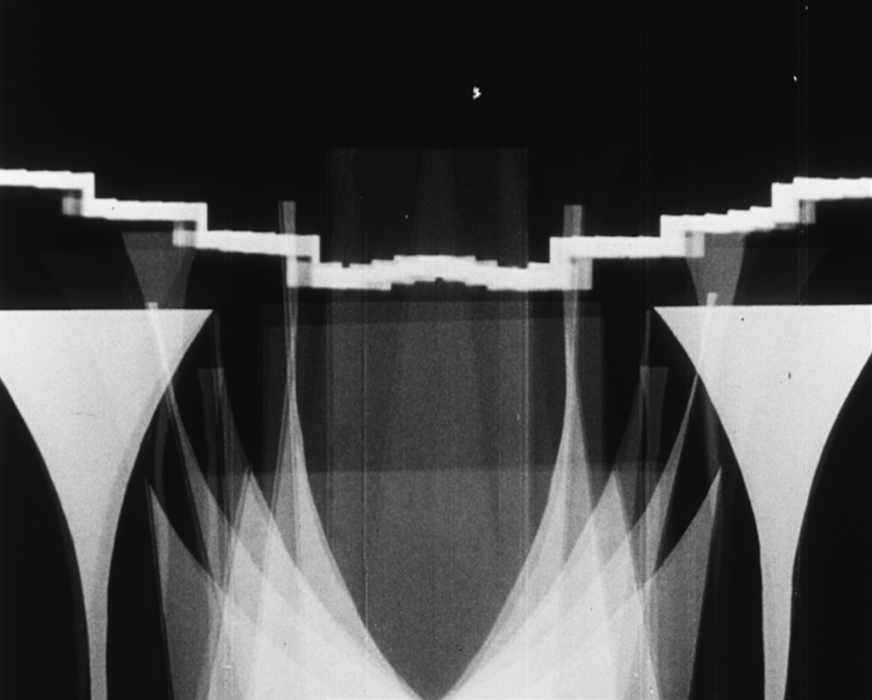
Includes: tamed TV snow, video feedback of racing particles, a remake of a polish photogram film destroyed in WWII, a visual and aural representation of Gestalt theory, hole-punched film and Guy Sherwin’s Cycles 3 double-projection.
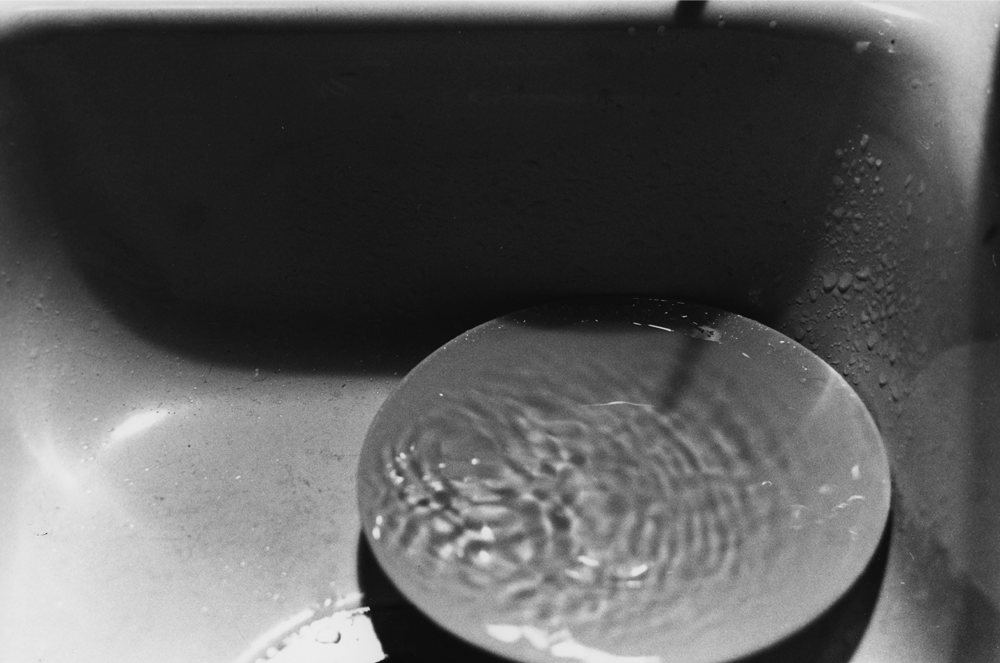
Everyday objects and materials (rubber bands, paper, a sink, microphones) disabused of their inertia and made to speak for themselves in a kind of focusing in on the tiny, repetitive, almost unobserved (sonic/ visual) potential of everyday things put into motion.
A kind of performed installation of searing noise and silence, where we’re not sure who the performer is, when it starts or ends or even who it’s for.
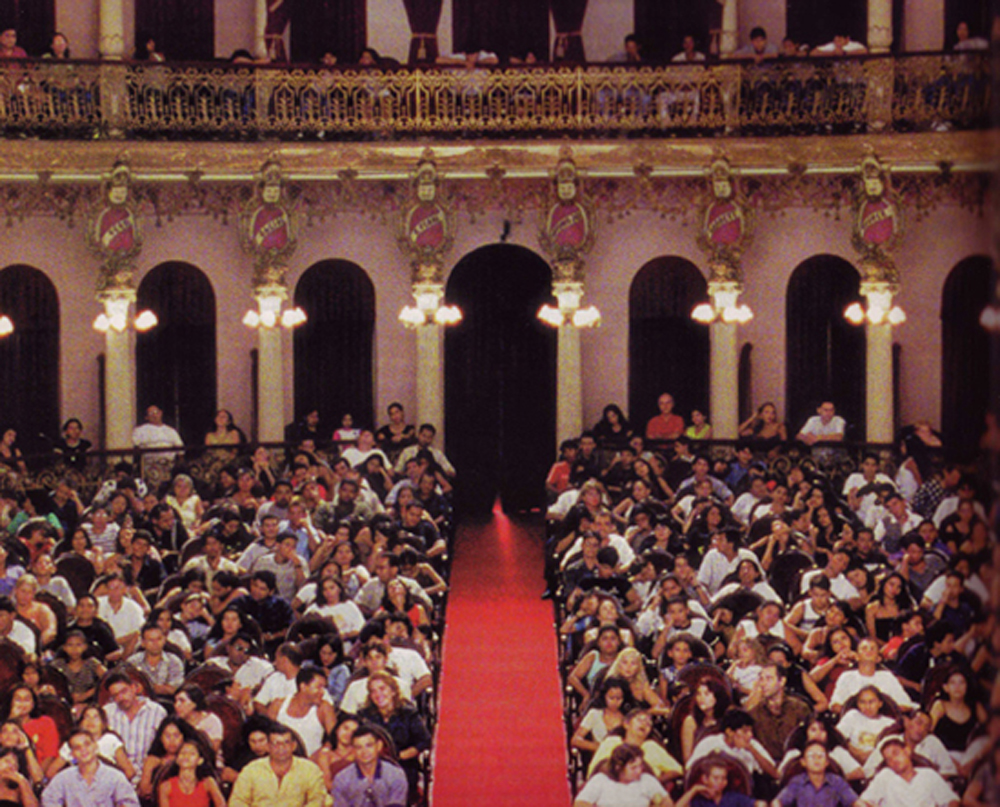
A double bill. A simple first person, Dundee-specific tracking shot that approaches the cinema/ screen/ space the film will eventually be shown in and in Brazilian opera house, a fixed camera gazes at a local audience from the stage: a choir, hidden in the orchestra pit, sings and gradually fades to silence.
Merzbow takes the junk of sound and transforms it into blistering noise assaults with an incredible spectrum and impact.