Icebreaker International
An audio report for the NATOarts board of directors that seeks to promote global security and stability through the exhibition of works of conceptual art.
Arika have been creating events since 2001. The Archive is space to share the documentation of our work, over 600 events from the past 20 years. Browse the archive by event, artists and collections, explore using theme pairs, or use the index for a comprehensive overview.
An audio report for the NATOarts board of directors that seeks to promote global security and stability through the exhibition of works of conceptual art.
An excavation of the 1805 Lock Hospital in Glasgow. Its official function was to support ‘unfortunate females with venereal disease’, but really what happened was that women and girls were marched in, experimented on, and often never released.
A system in which oscillators shake The Arches, seismographs pick up the harmonics that are then amplified through massive sub-bass PA.
In this workshop we will imagine ourselves as time travellers from a glorious and chaotic neurodivergent-led future.
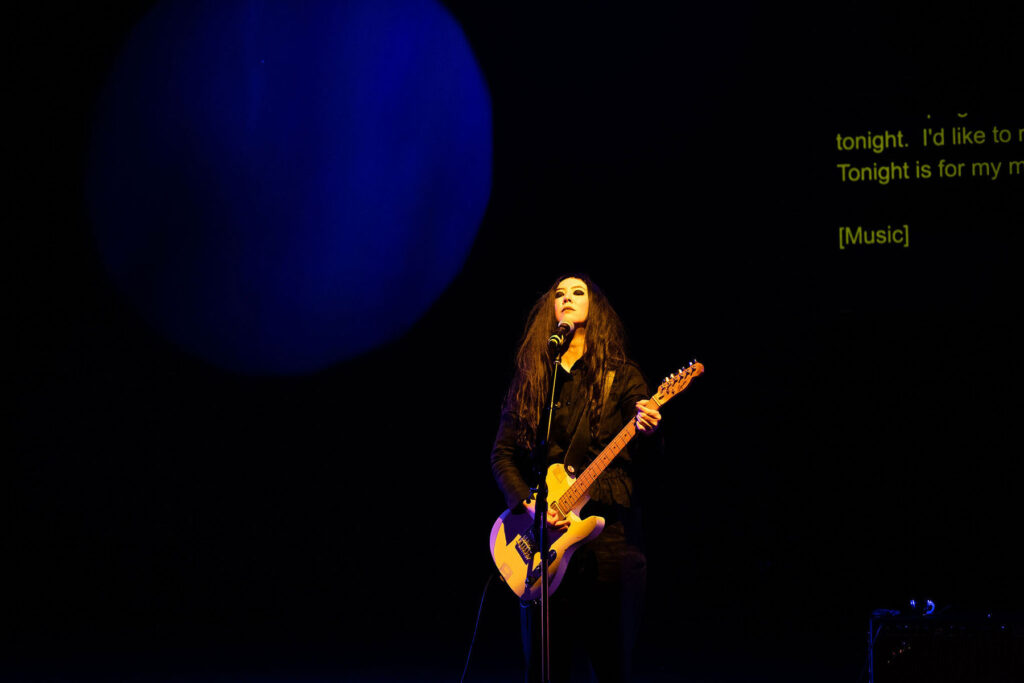
Guitar and voice. Keening, droning and mourning. Be ready to release and bring your dis-ease.
Moor Mother is a musician, Philadelphian housing activist and black quantum futurist.
Akio Suzuki and John Butcher performing in a large multi chambered industrial ice house.
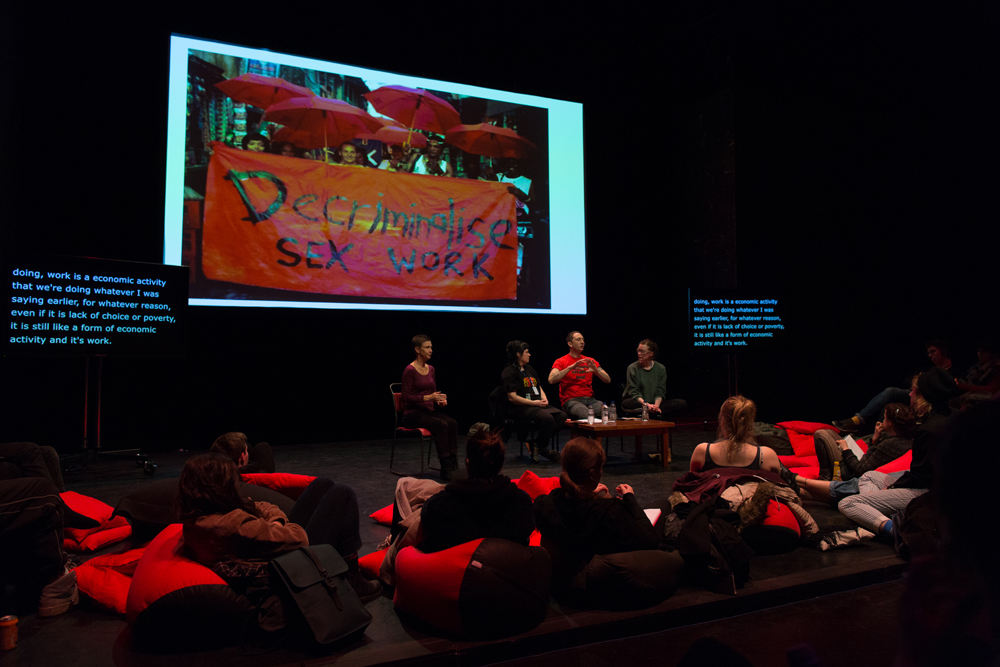
The struggle for sex workers’ rights and how we can understand it in the continuum of care work and other forms of invisibilised and precarious work.
West Coast drone-age guitar grumbler/ consumer electronic reclaimer meets free-thinking clang/ chime/ drone bluesman of The East.
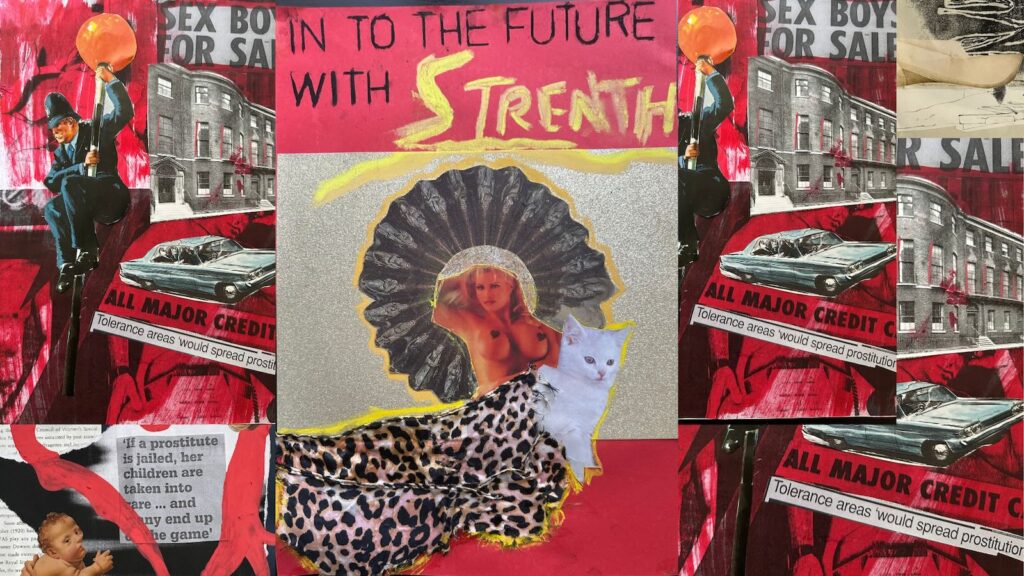
Join Sex Workers For Decrim for a sex worker only collective art workshop and be part of creating a massive visual timeline of sex worker resistance in Scotland.
A three-day celebration surveying all manner of diverse musical activities, which at their core share a basic kinship: one of exploration and the discovery of musical expresssion.
If life is assaulted by power, where do we find spaces for living? A conversation with Peter Pál Pelbart.