Eject & No Disc
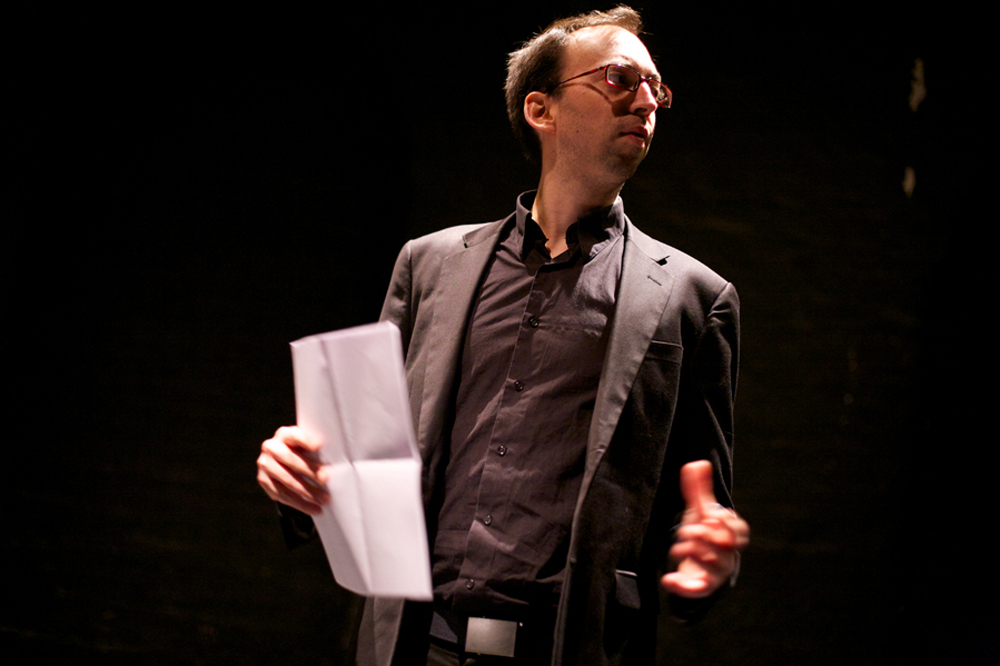
Matthieu Saladin
French improviser, composer, writer & musical thinker of dry humour and elegant clarity. Sly conjurer of music from the unconsidered processes of music making.
Arika have been creating events since 2001. The Archive is space to share the documentation of our work, over 600 events from the past 20 years. Browse the archive by event, artists and collections, explore using theme pairs, or use the index for a comprehensive overview.
French improviser, composer, writer & musical thinker of dry humour and elegant clarity. Sly conjurer of music from the unconsidered processes of music making.
Can we use sound, repetition and difference to personally and collectively engage with space, time and labour?
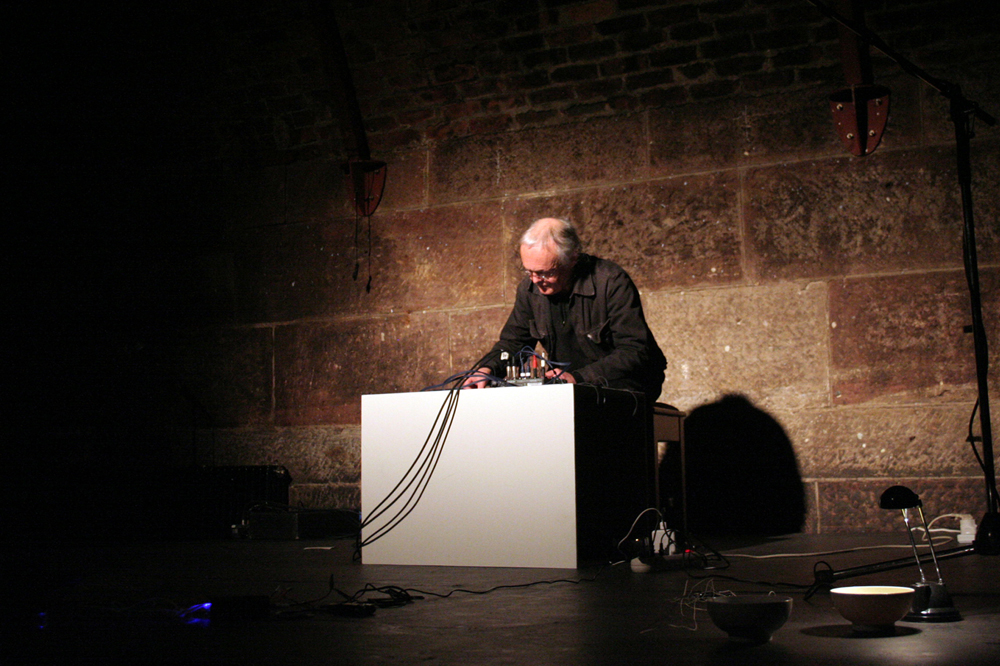
Julius’ “small music” features simple snatches of found sound, played back through small speakers, often set in bowls of pigment and dirt which shimmies in the vibrations.
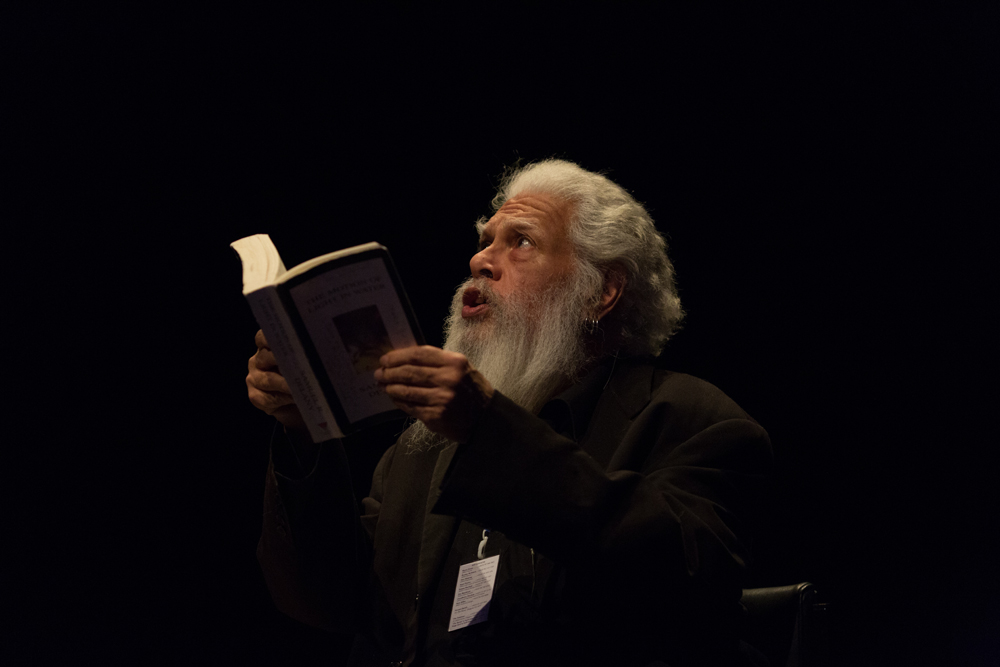
Chip will read some of his great literary pornography, which pushes sexuality to the point of extremity and exhaustion.
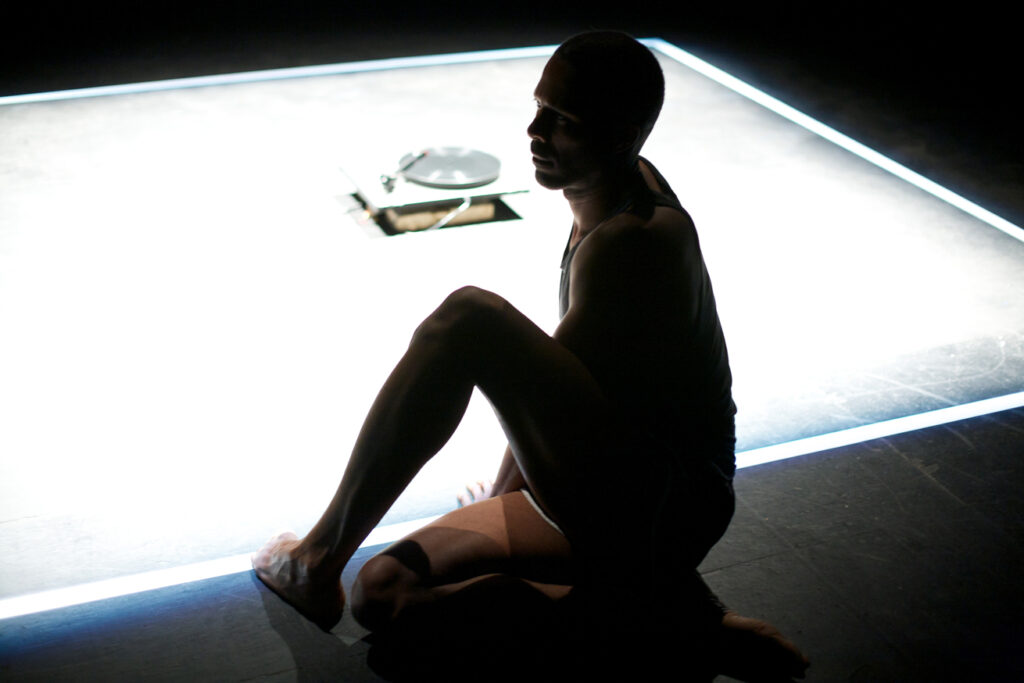
When we look, how do we objectify the body; how can we reflect on our (self) image as a construction?
African American history, avant-garde jazz riffs and activism intertwine in experimental verse of extraordinary and affecting beauty that has to be heard.
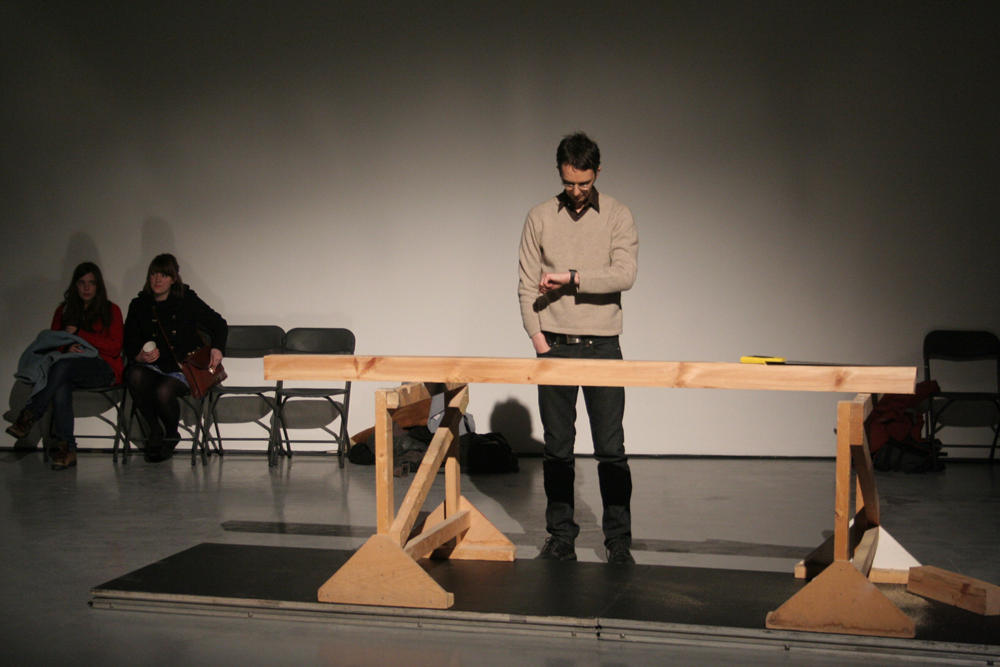
With Taku we’ll carry out some simple proposals for doing almost nothing, for re-thinking sound with whatever comes to hand.
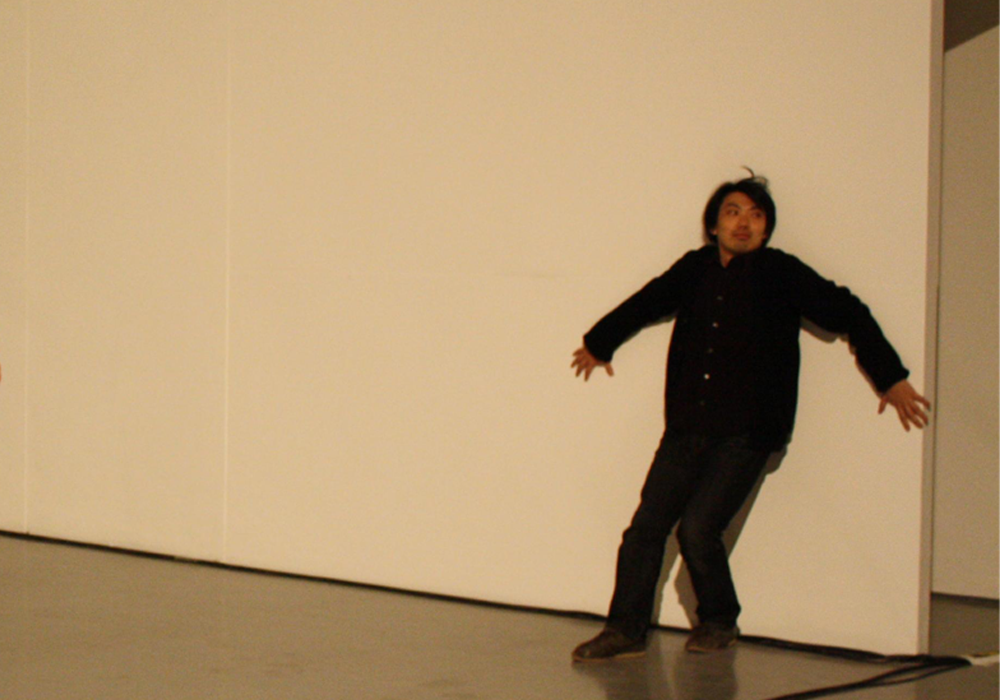
A trio of Tamio’s screaming and immovable slabs of sound; Mico’s dance/ performance/ piano; Fritz’s absurd, flailing percussion/ voice.
Includes: a £20 note, stock fluctuations, an examination of words in the video medium, a linguistic challenge for your mind, a frame by frame dissection 50 words, shop front poetry, image and language head to head and newspapers under the microscope.
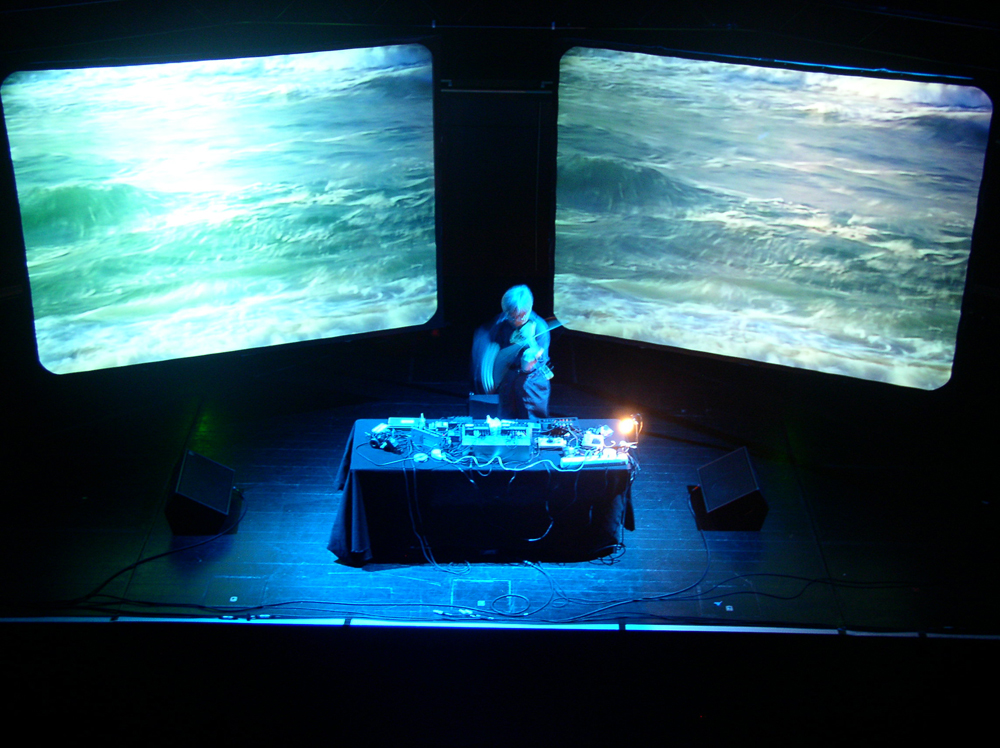
A new interpretation of Kosugi’s Catch-Wave, producing a cloud of fluctuating, hypnotic drones, in front of a backdrop of projected waves.
A talk entitled ‘The Conquest of the Universe’: which delves into the connections between the underground filmmakers and musicians in New York in the early 1960s
How do communities formed under the duress of violent othering and the joy of solidarity – such as ballroom culture, Black diasporas, Zapatistas – reform bonds of kinship?