Ode to 1 & under
Constantina Zavitsanos Park McArthur
How can we imagine bodies not as an end in themselves, but as a medium through which we can become one another’s means?
Arika have been creating events since 2001. The Archive is space to share the documentation of our work, over 600 events from the past 20 years. Browse the archive by event, artists and collections, explore using theme pairs, or use the index for a comprehensive overview.
How can we imagine bodies not as an end in themselves, but as a medium through which we can become one another’s means?
“Beginning where you and me ends, where we don’t so much come but are already here.” Join James and Nisha to talk about breath, erotics and flesh, about our social, poetic cosubstantiality.
One of the most compelling Indigenous voices of her generation discusses practices of Indigenous Resurgence drawn from Nishnaabeg poetic knowledge.
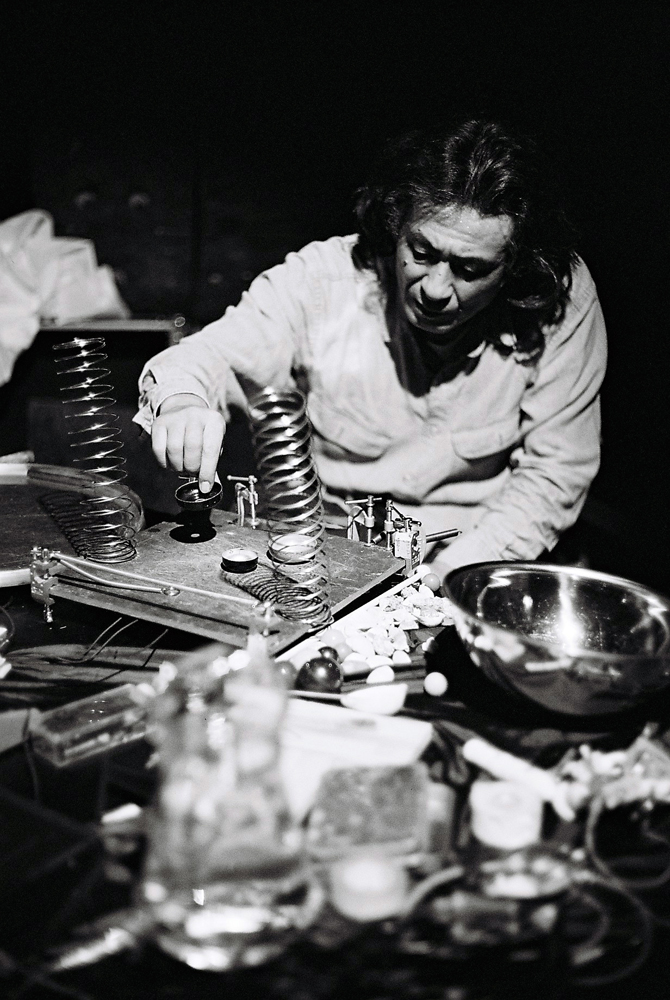
Philip Jeck creates slowly evolving symphonies that are as much about the crackling hiss of old vinyl as the actual ‘musical’ material.
I wanna be with you everywhere was a gathering of, by, and for disabled artists and writers and anyone who wanted to get with us for a series of crip meet-ups, performances, readings and other social spaces of surplus, abundance and joy.
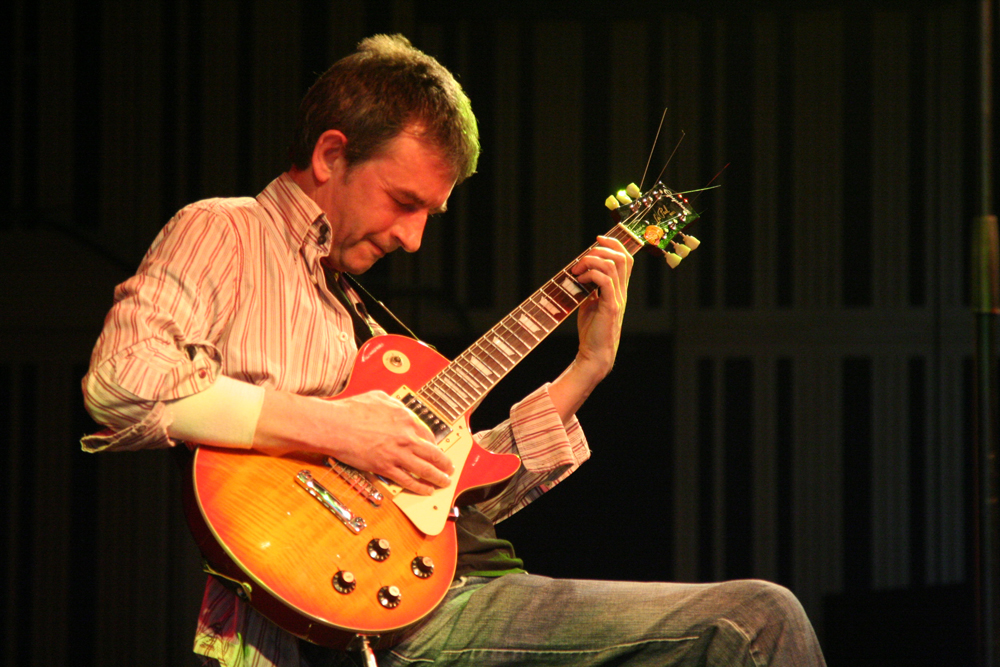
Italian duo of brothers Maurizio and Roberto Opalio utilising an array of acoustic and electric guitars, various toy-instruments and toy-microphones.
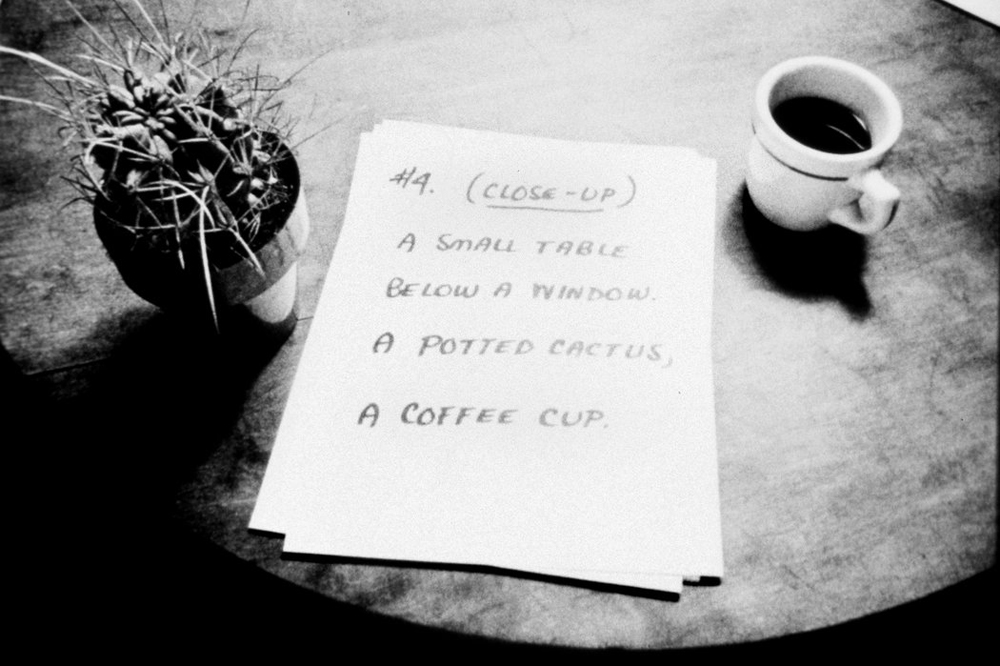
Nothing if not repetitive, film is founded on the incremental succession of minute difference. But how does repetition of the same play out, and is it a tool to comment on the standardising repetition of the mass media?
A bodiless treatise on narration, bored speakers, audience misbehaviour and police megaphones, but: is anybody listening?
Conceptual choreography as critique, in Ligia’s film of Caribbean plots and scandals, and the possibilities of anti-colonial revenge, rest and repair.
Performances at Anthology Film Archives NY by Jandek, Loren Mazzacane Connors & Alan Licht, and MV & EE.
Artist Derek Lodge running a specially designed social space, somewhere for conversation, story-telling and interaction.
Dworkin asks: What would a non-expressive poetry look like? A poetry of intellect rather than emotion?