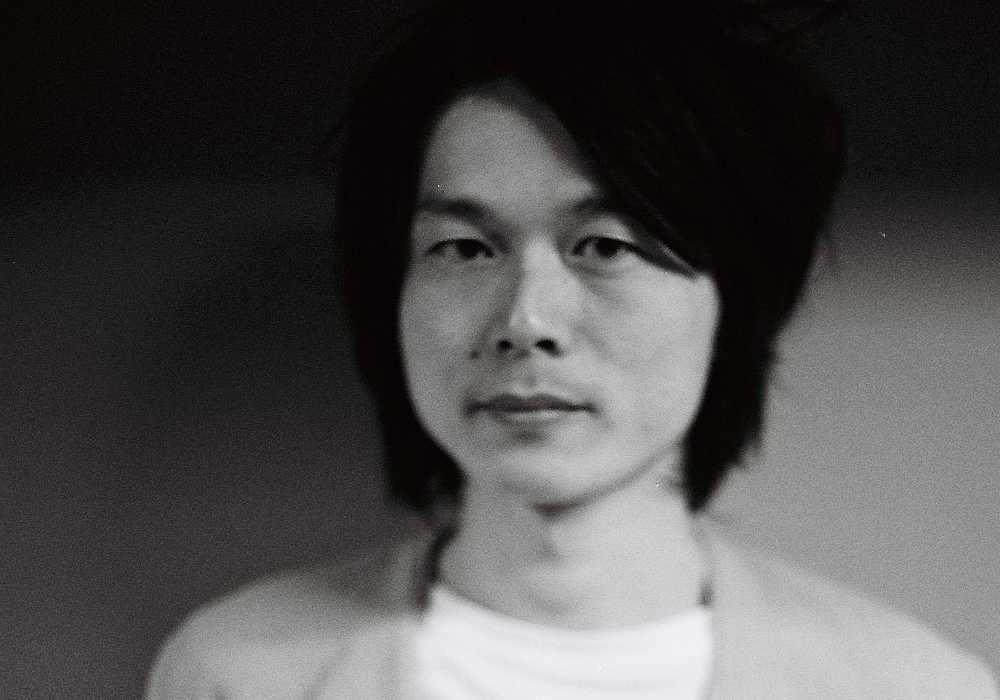
Ruins & Ian Halliwell
Ian Helliwell
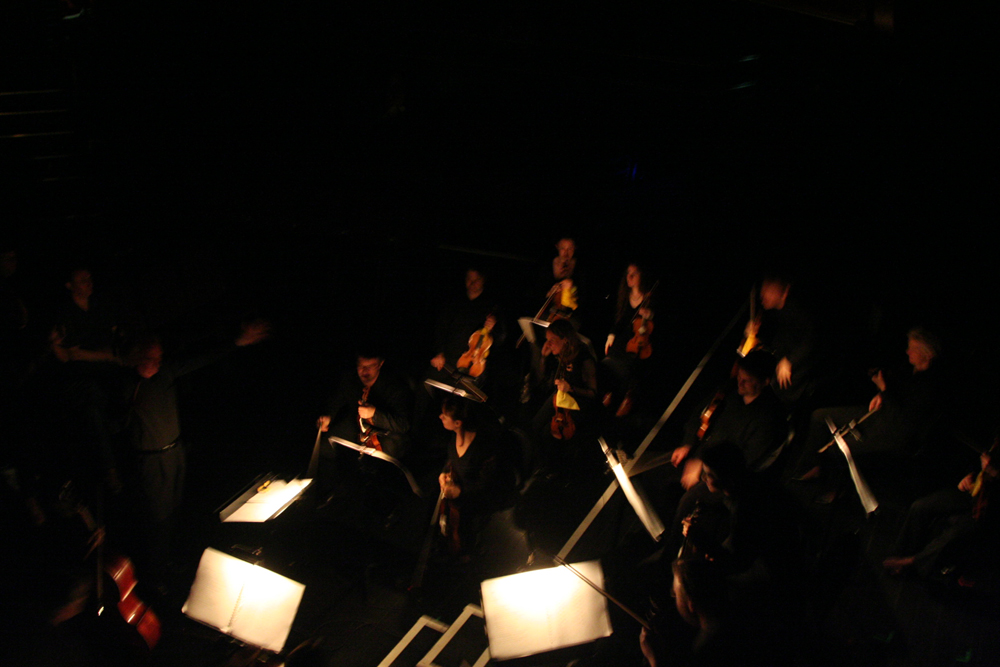
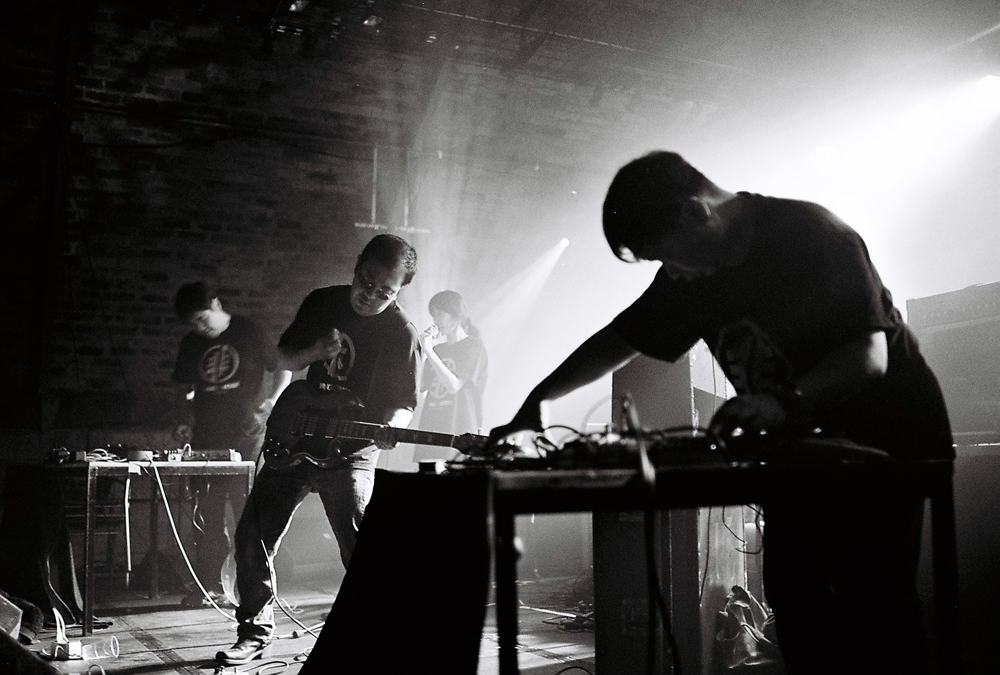
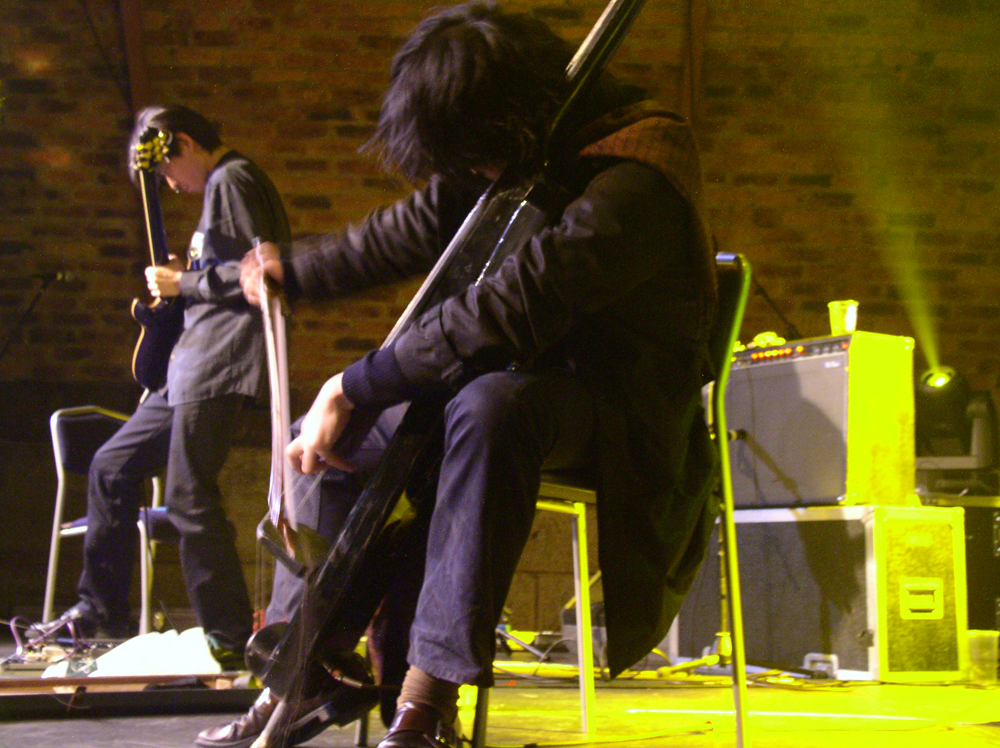
Giants of the Japanese avant-rock scene Ruins are a hardcore prog rock bass + drums duo led by drummer extraordinaire Tatsuya Yoshida and joined in Dundee by Sasaki Hisashi.
Arika have been creating events since 2001. The Archive is space to share the documentation of our work, over 600 events from the past 20 years. Browse the archive by event, artists and collections, explore using theme pairs, or use the index for a comprehensive overview.
Giants of the Japanese avant-rock scene Ruins are a hardcore prog rock bass + drums duo led by drummer extraordinaire Tatsuya Yoshida and joined in Dundee by Sasaki Hisashi.
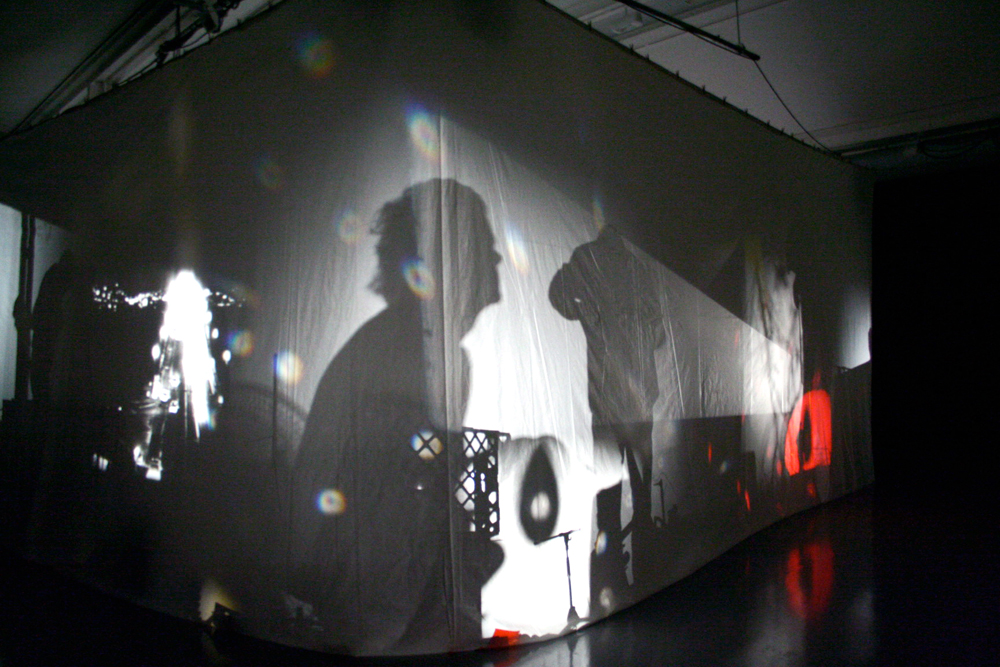
A new interpretation of Kosugi’s Catch-Wave, producing a cloud of fluctuating, hypnotic drones, in front of a backdrop of projected waves.
Dual projections of pulsating shards of film, treated in crystallized salts and dyes merge with the whirring of projectors, distilled into particles of sound.
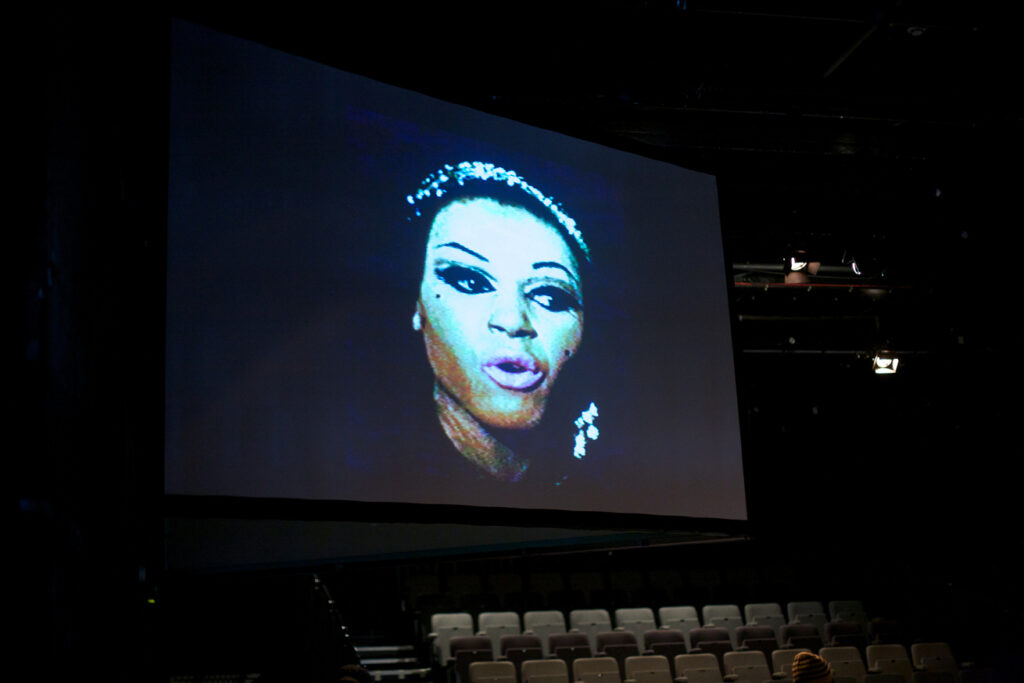
Voguing, drag, clubbing, and the politics of communities making different performances of gender and sexuality visible.
“Introduction to Protactile Theory” is a legendary seminar that facilitator John Lee Clark has designed to bring diverse communities into conversation with the Protactile movement.
Final workshop exploring work, care and class. Does the ‘care industry’ summon forth its own class? Can this ‘affective class’, in their ability to care for others, militate against the carelessness of self-interest?
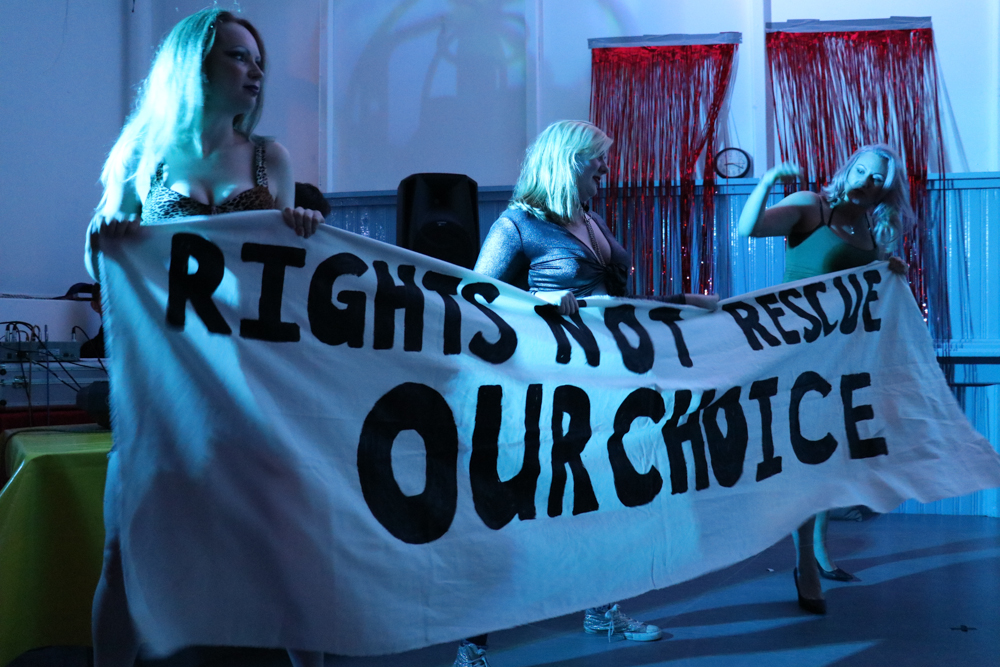
The Truth and Lies book project emerges as part of a rising tide of sex worker art and organised struggle to end criminalisation and stigmatisation of sex work.
A voice that can vault from an elegantly whispered insinuation to asphyxiated and murderous barks or squalls in a heartbeat.
60 cycle hums, jagged static cracklings, and clipped electron pinpricks, mutating them into sublime, post-techno grooves
A bodiless treatise on narration, bored speakers, audience misbehaviour and police megaphones, but: is anybody listening?
The first of two workshops that highlight correspondence as a way of working. Somewhere between song, speech, and logistical arrangement, these workshops invite participants to consider care as infrastructure.
What happens when you are engaged in a deep and extended artistic practice that intersects between literature and music, notation and improvisation, sight and sound?