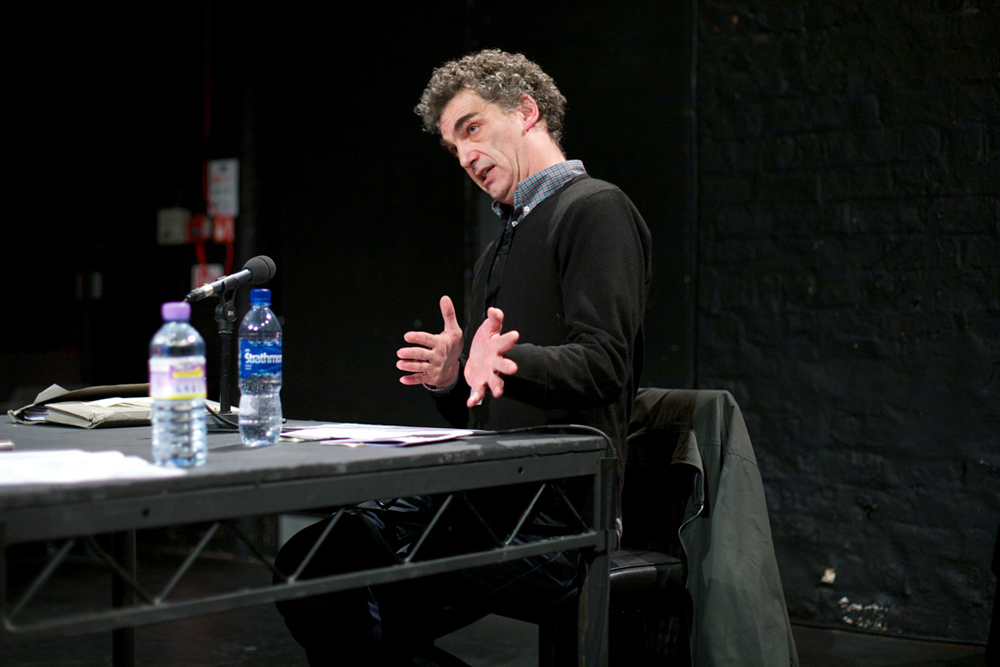
Listener as Operator
Howard Slater
Our favourite Lancashire-born autodictact asks what’s political about the tension between the individual and the collective in free jazz.
Arika have been creating events since 2001. The Archive is space to share the documentation of our work, over 600 events from the past 20 years. Browse the archive by event, artists and collections, explore using theme pairs, or use the index for a comprehensive overview.
Our favourite Lancashire-born autodictact asks what’s political about the tension between the individual and the collective in free jazz.
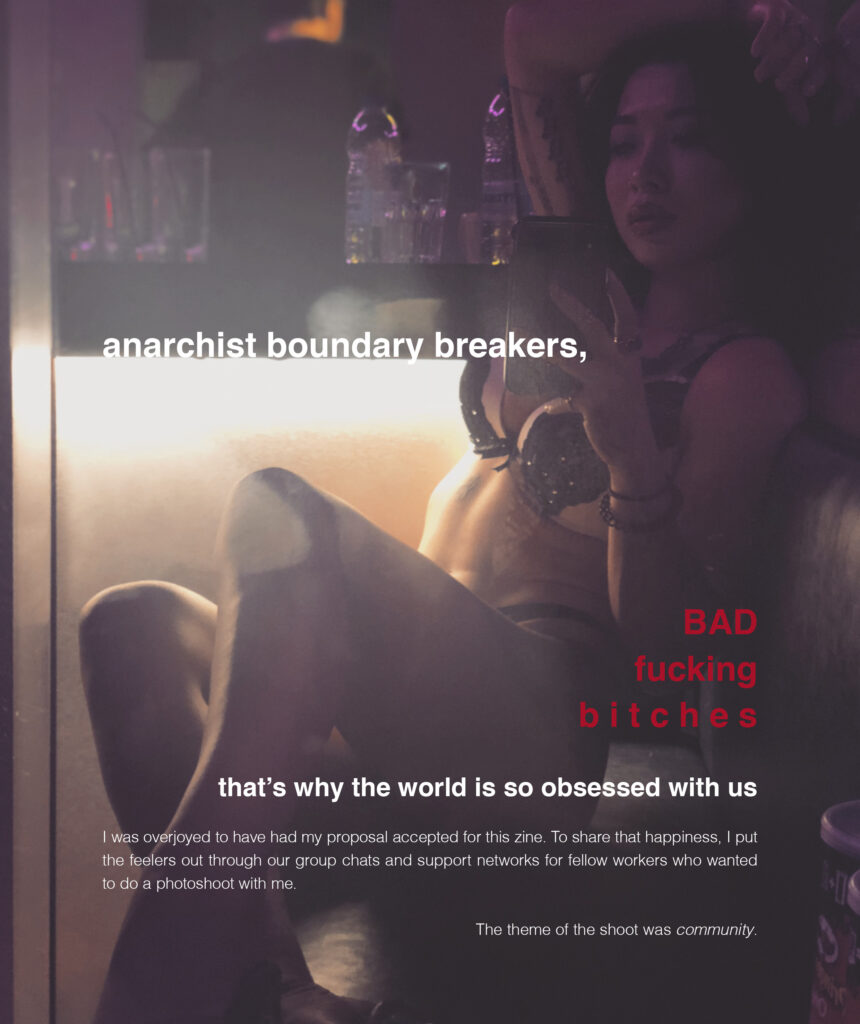
Arika is working in partnership with Decriminalised Futures on a multi year collaboration featuring multiple creative projects exploring sex worker lives, experiences and movement struggles.
Acoustic turntable, engines, trumpet and accordion joined by Bassist Magarida Garcia: build long-form quietly detailed pieces that clatter and rumble, that expand and contract with the tension and release of deeply held breath.
A performance for projectionist, musicians and audience, which plays with references to Oscar Levant and Gershwin: apparently a series of small doses of chaos.
Christian Bök‘s work spans thrillingly conceptual poetry to body-shaking vocal performances.
Post consideration and post rationalisation… How do we think about experimental music and film after the performance?
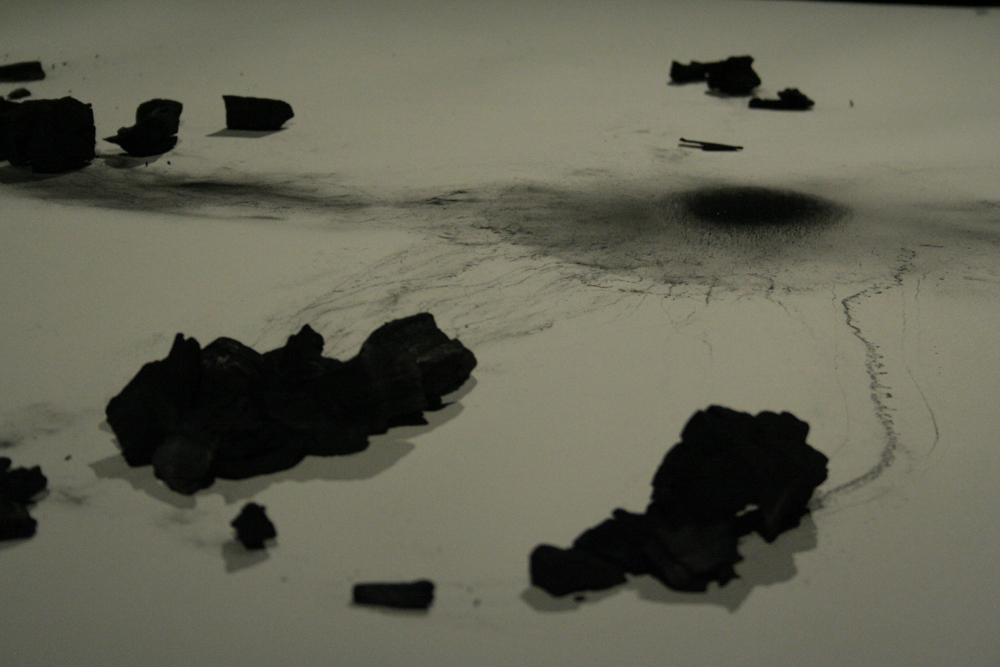
Laser beam sine tones used to draw delicate, abstract patterns by vibrating charcoal, placed atop of a great strip of paper running through the gallery; beautiful, fragile sound-created autonomous drawing.
Freeform Super 8mm documentation of Sunday at Instal 06 by filmmaker Matt Hulse.
The Truth and Lies book project emerges as part of a rising tide of sex worker art and organised struggle to end criminalisation and stigmatisation of sex work.
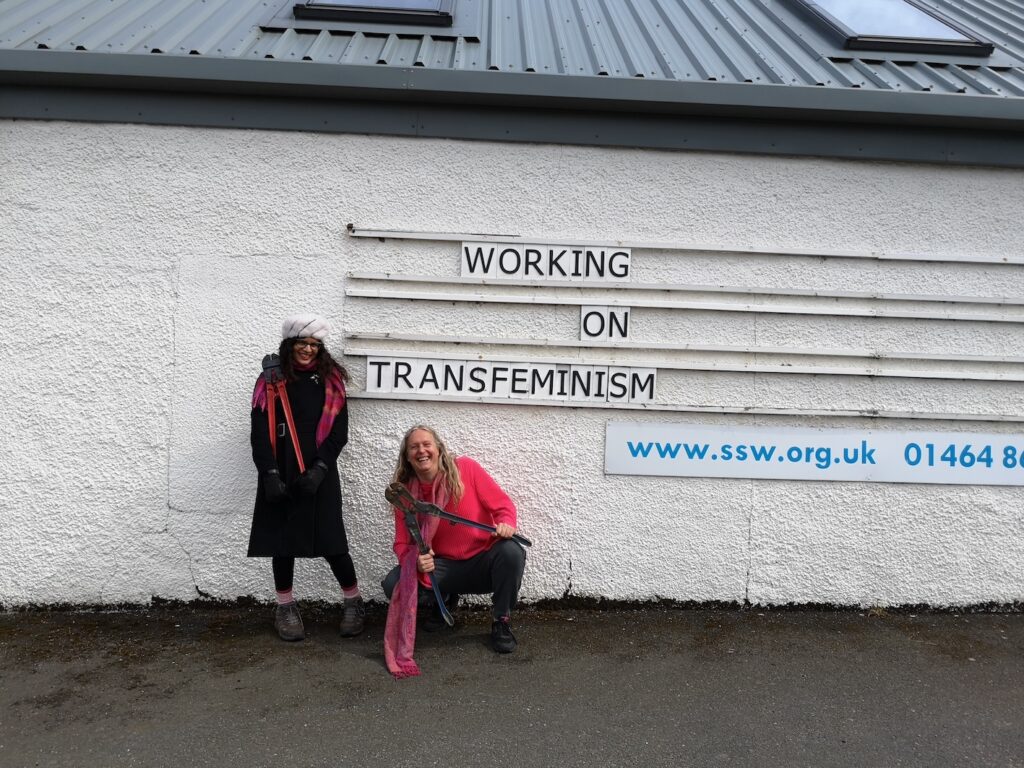
Nat Raha and Mijke van der Drift undertake two intensive writing residencies at Scottish Sculpture Workshop in Lumsden and Hospitalfield in Arbroath.
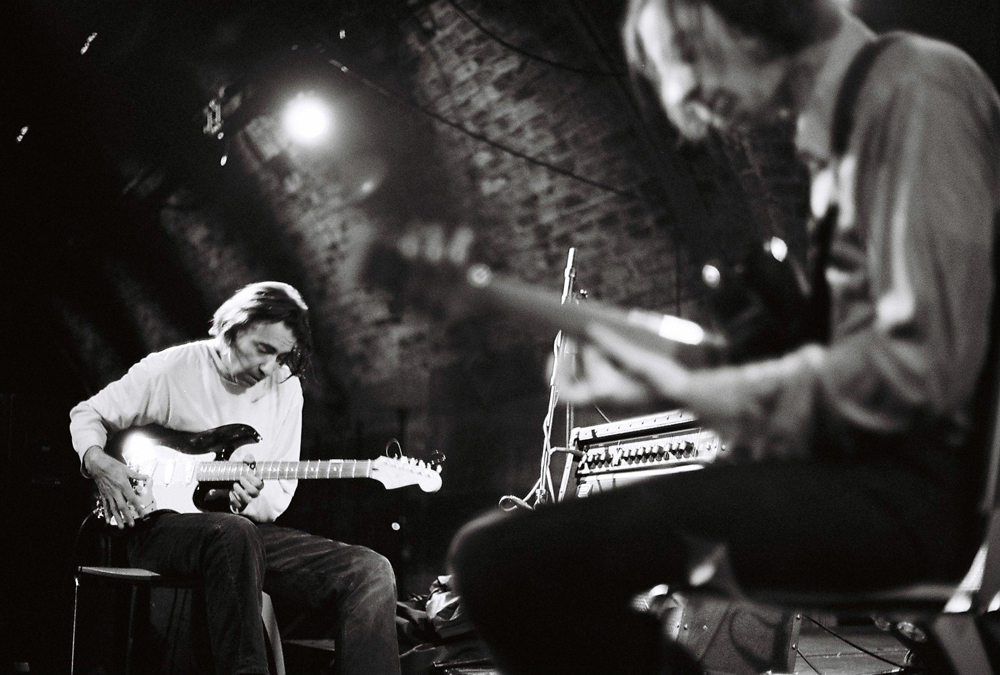
An utterly deep introspection told in aching, weeping guitar lines; melodic, simple, always minimal but somehow entirely epic.
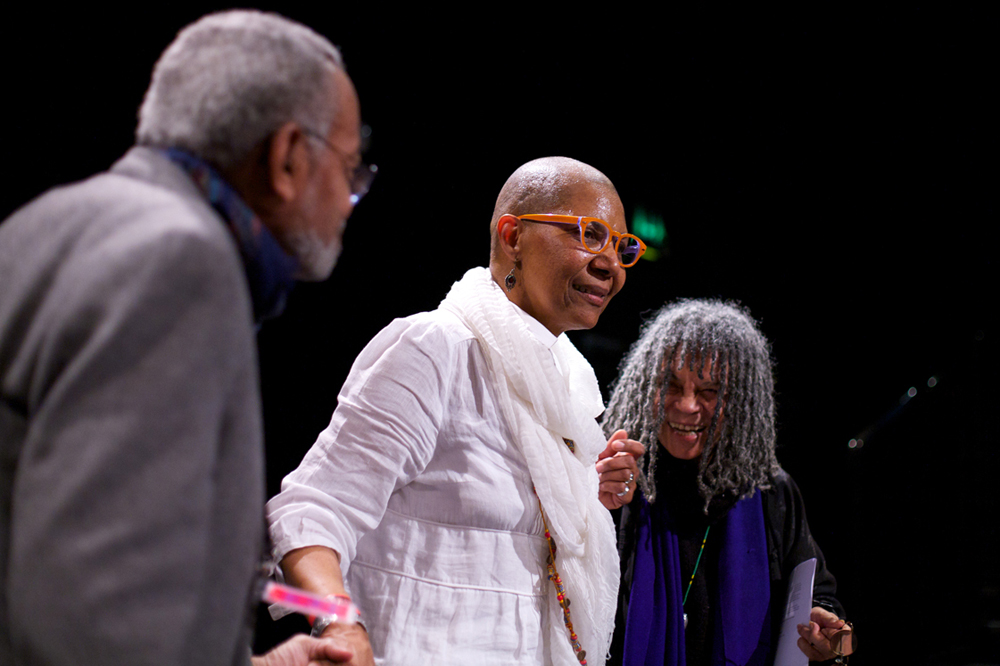
Can a collective performance of NourbeSe’s poem of black life as it exceeds containment enact alternative forms of selfhood that emerge in and out of African diasporic experience?