An introductory salon
Hartmut Bitomsky
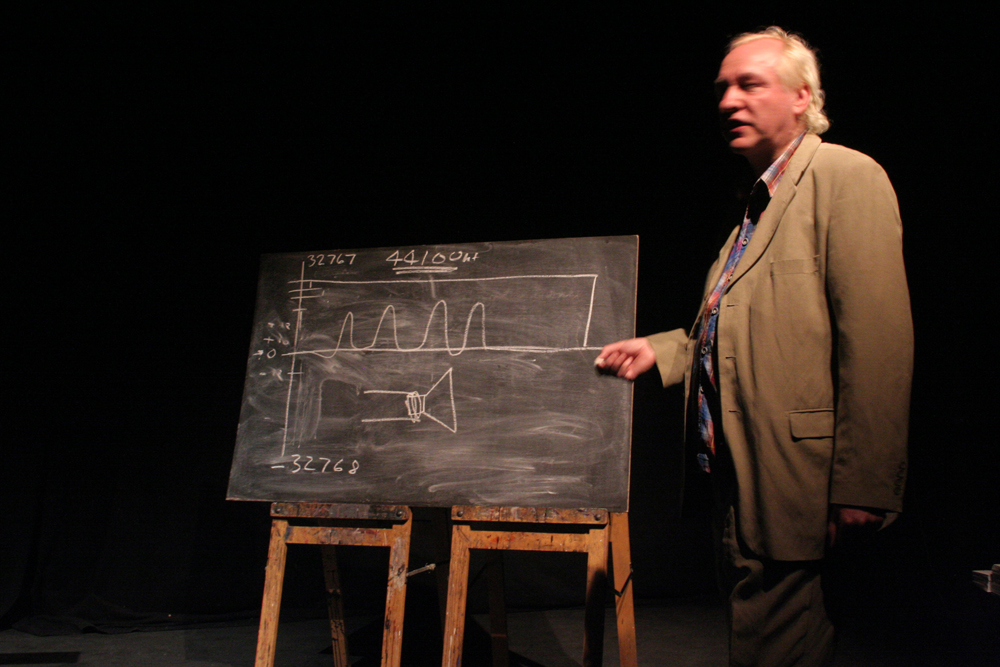
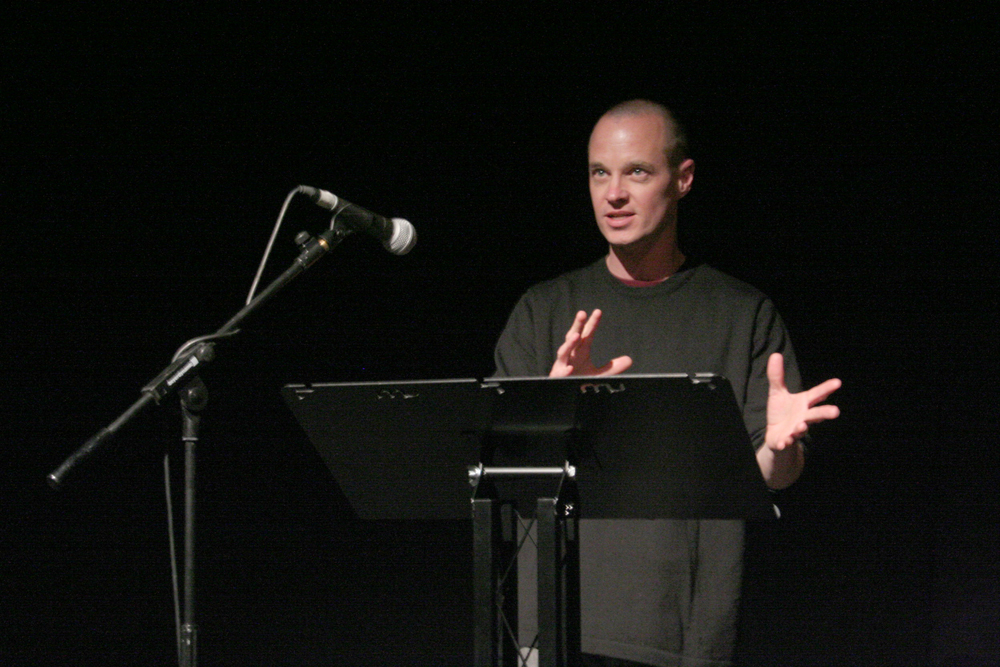
Hartmut led “a workshop in the old-fashioned way of discussion, mutual exploration of ideas and samples; trying out what can be shared and where the fault lines show.”
Arika have been creating events since 2001. The Archive is space to share the documentation of our work, over 600 events from the past 20 years. Browse the archive by event, artists and collections, explore using theme pairs, or use the index for a comprehensive overview.
Hartmut led “a workshop in the old-fashioned way of discussion, mutual exploration of ideas and samples; trying out what can be shared and where the fault lines show.”
UK conceptual/ drone/ noise artist, who is seriously posing what might seem to be unanswerable questions of music.
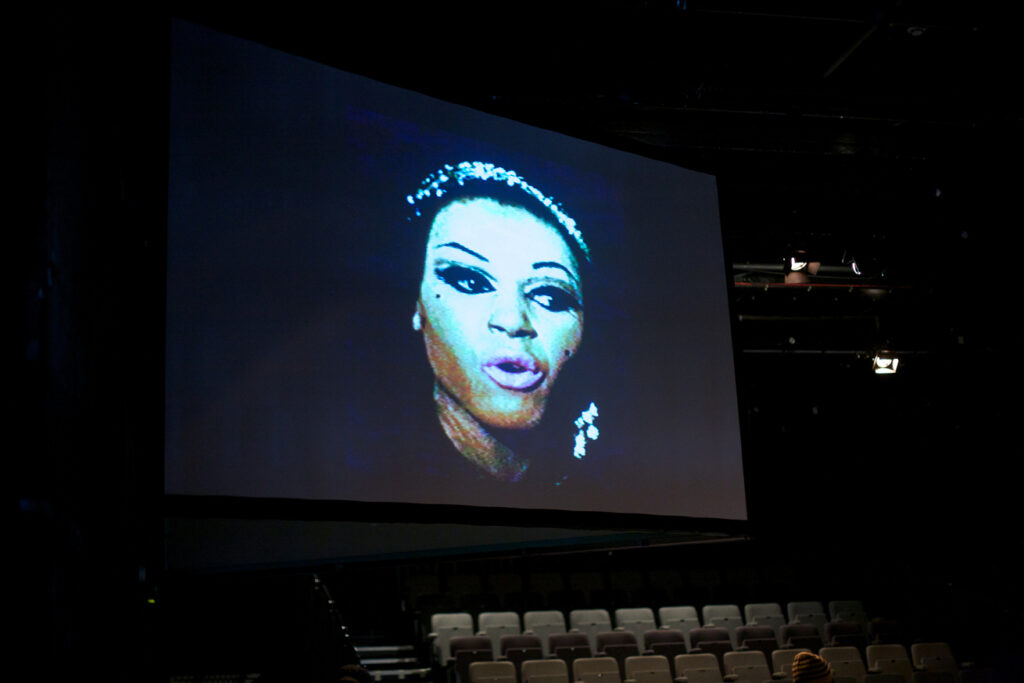
A historical narrative of the black and Latino/a transgender, bisexual, lesbian, and gay House and Ballroom Scene in relation to race, gender, sexuality and class oppressions.
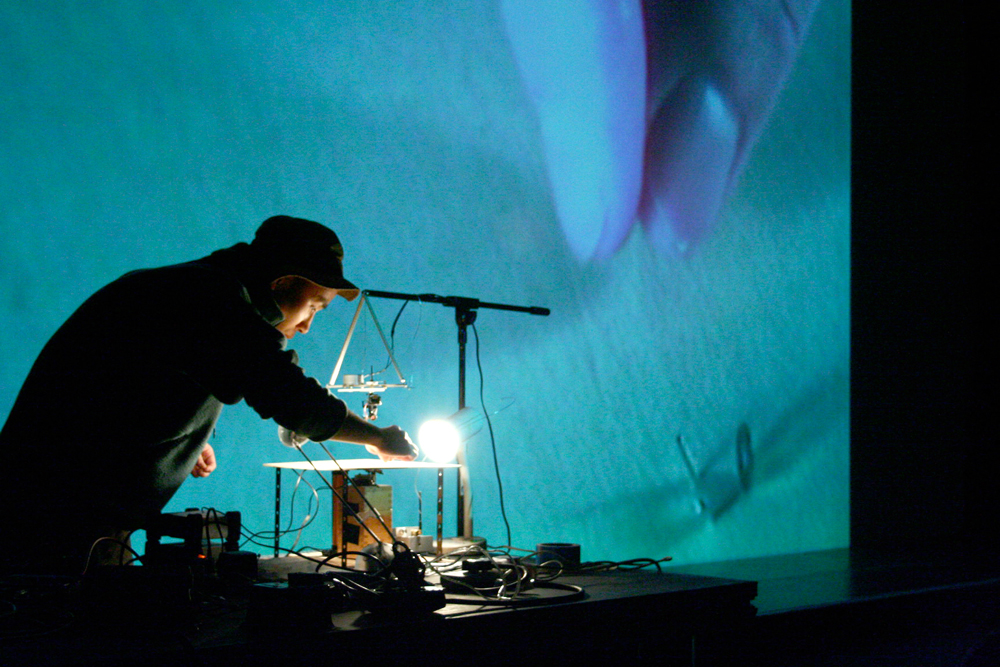
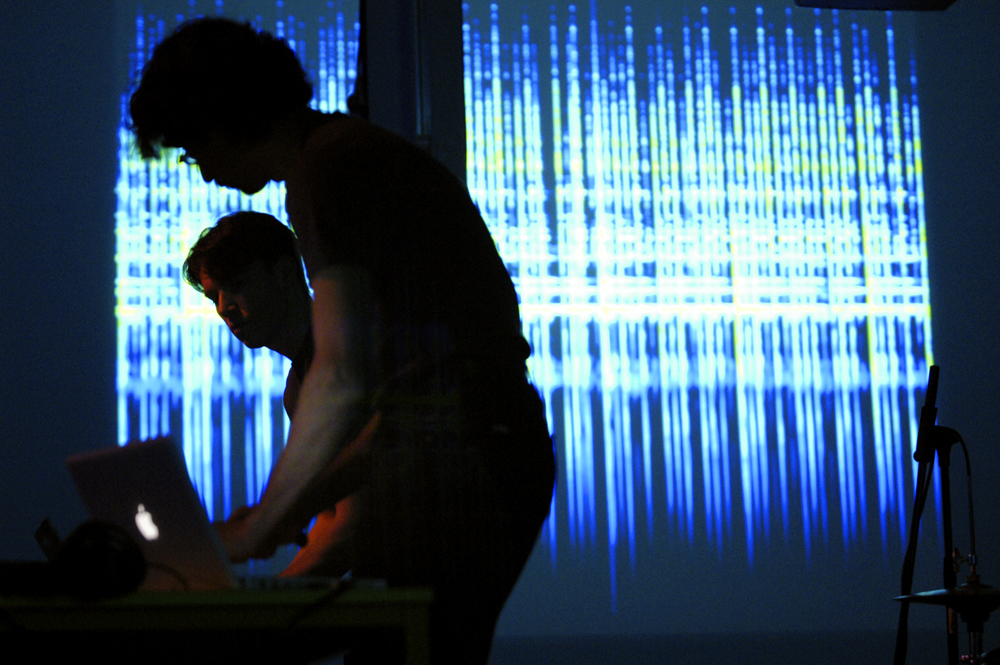
Kanta is a young Japanese artist with a home-made, short circuited take on electronics and physical phenomena which he uses in performance to produce close circuit systems of audio / video feedback.
Performances at CCA Glasgow by Keiji Haino, My Cat Is An Alien, Taurpis Tula, Jandek with Richard Youngs and Alex Neilson.
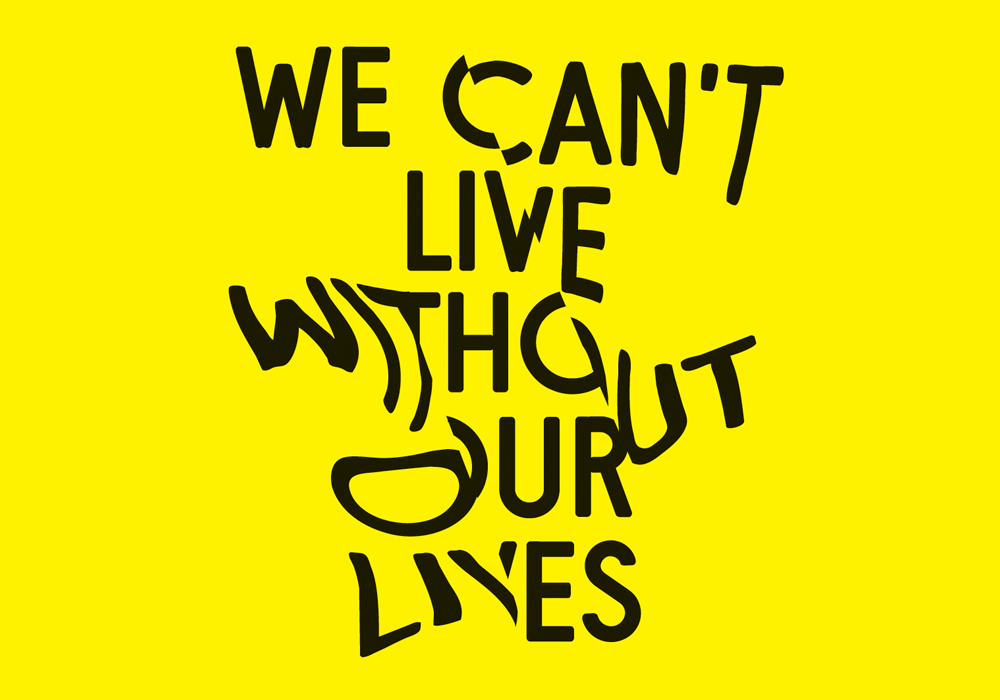
In a moment of social exhaustion, we want to ask how we might care for each other differently. We Can’t Live Without Our Lives is a 5-day exploration of care as a form of struggle and resistance, with communities who embody it.
“Beginning where you and me ends, where we don’t so much come but are already here.” Join James and Nisha to talk about breath, erotics and flesh, about our social, poetic cosubstantiality.
Live ISDN drone performance resonating between Dundee and an empty Montreal Grain Silo.
A live installation of the ‘Film Ist’: projected on 4 huge screens and an improvised soundtrack from 4 figureheads of the Austrian experimental music scene.
Paul Sharits’ Shutter Interface is a multi screen installation born of an intent to reveal the material substance of cinema in its purest form: spatially.
Dworkin asks: What would a non-expressive poetry look like? A poetry of intellect rather than emotion?
An invitation into languages field of touch; to speak in feeling together.