Tetuzi Akiyama
Tetuzi Akiyama
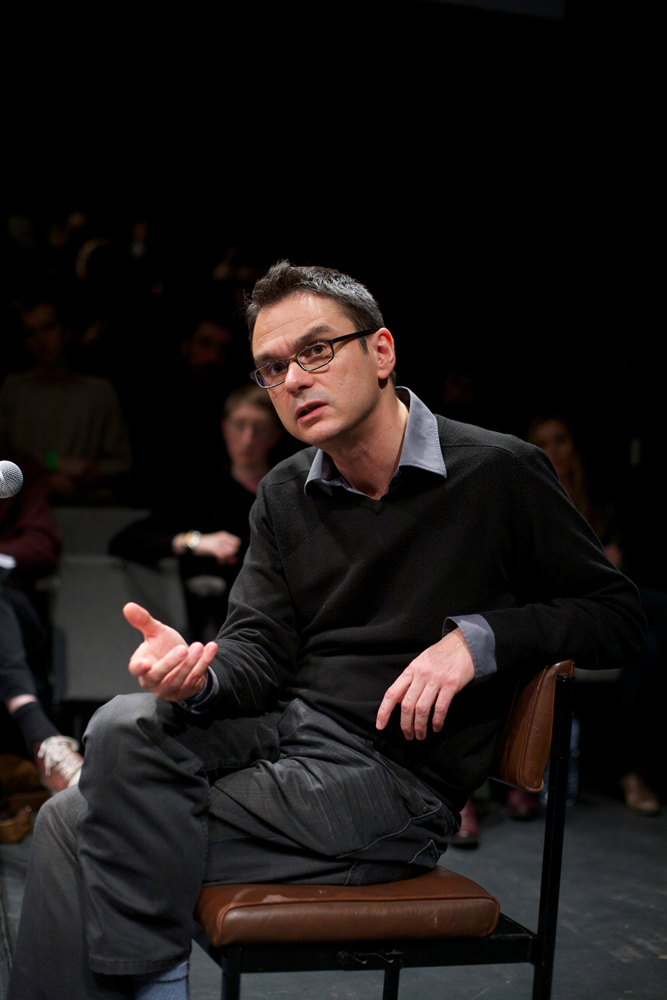
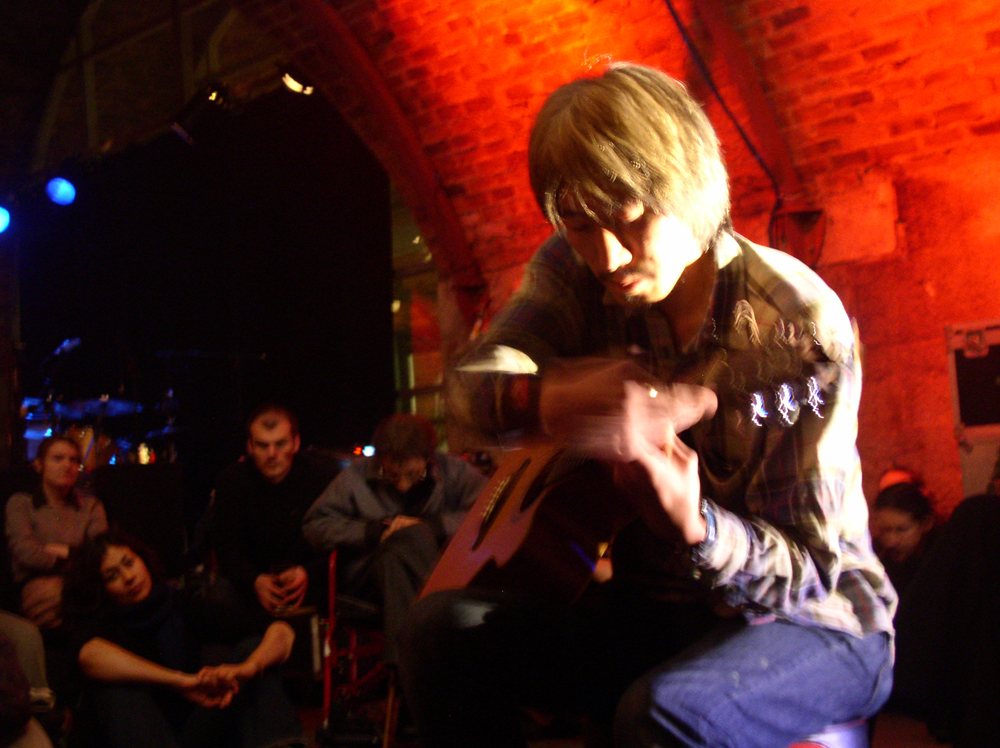
An contradictory guitarist, he’s equally at home in slow, halting acoustic improvisation or piercing minimal examinations of electric guitar.
Arika have been creating events since 2001. The Archive is space to share the documentation of our work, over 600 events from the past 20 years. Browse the archive by event, artists and collections, explore using theme pairs, or use the index for a comprehensive overview.
An contradictory guitarist, he’s equally at home in slow, halting acoustic improvisation or piercing minimal examinations of electric guitar.
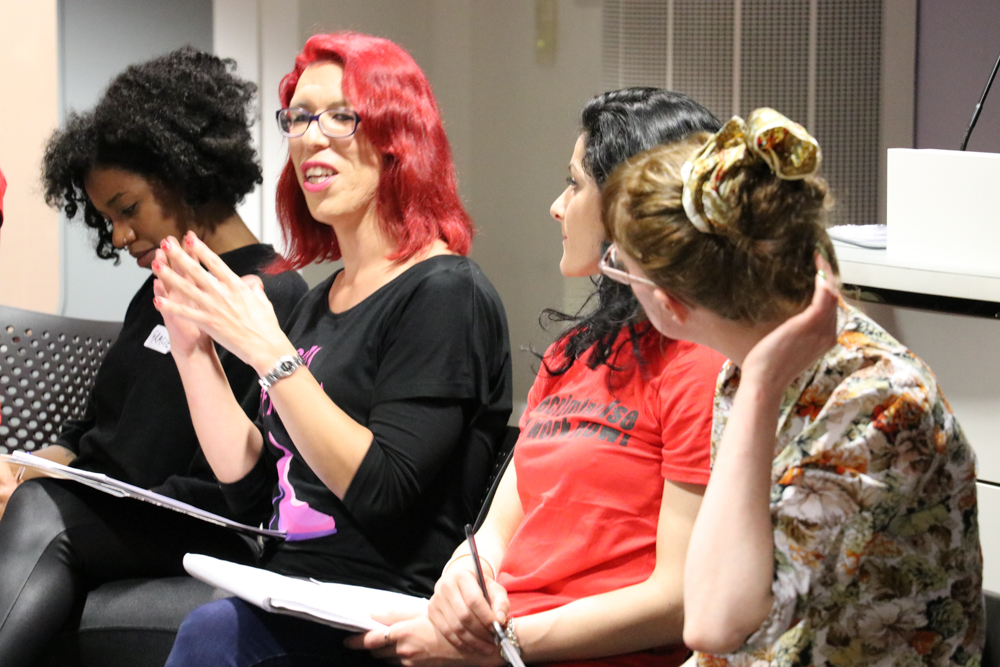
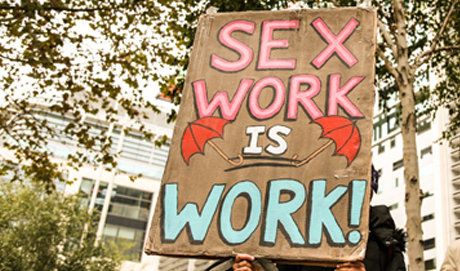
Three panels offering opportunities to discuss how to build stronger alliances between the sex workers’ rights, migrants rights and reproductive justice movements and how to face, together, an increasingly punitive and reactionary system.
Our Zooms are unmuted, our mics are open, and our hearts and bodyminds are receptive. We give the floor online and in person to you…
Deliberately blurred drones, absent of definite structure or rhythm, framed in silence and devoid of any distraction from the pure matter of sound.
Dave will lead a session created for teenagers and designed to stimulate a supportive environment for artistic exploration through music improvisation.
The practice of North African Indigenous revolutionary love, in the face of European capitalist violence and settler colonialism, with one of the most vital anti-colonial thinkers in Europe.
Join Umbrella Lane and special guest migrant trans sex workers in a community discussion about the points of intersection in LGBT people’s rights and sex worker’s rights.
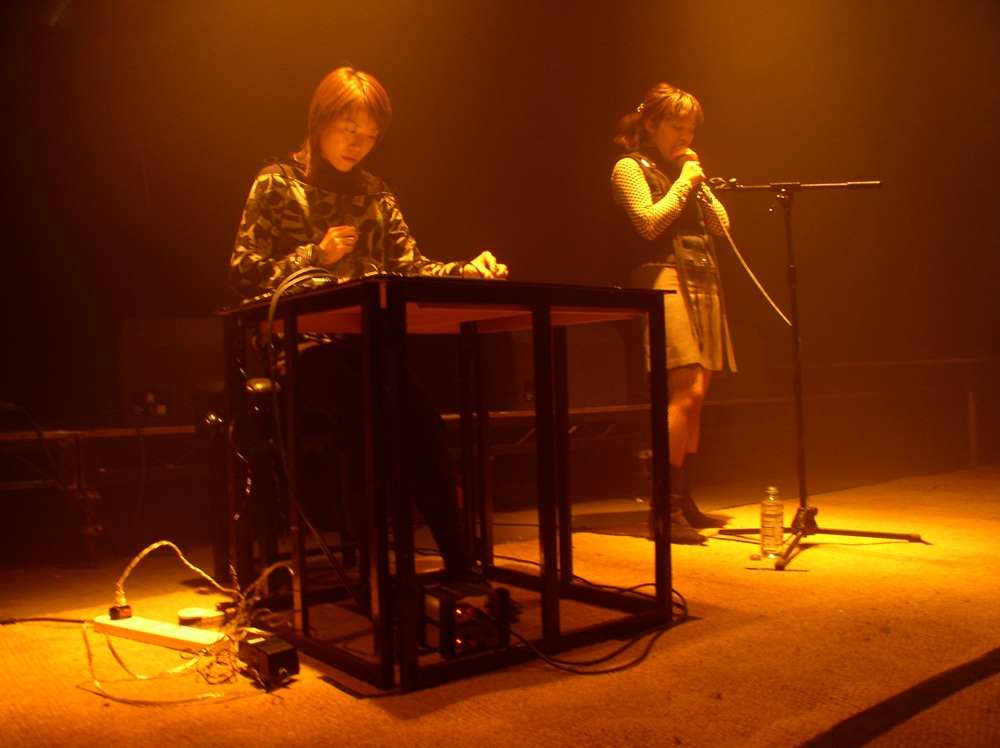
Sachiko M and Ami Yoshida, two of the most prominent members of the Onkyo movement, place much more emphasis on sound texture than on musical structure, distilling elements of techno, noise, and electronic music into a unique hybrid.
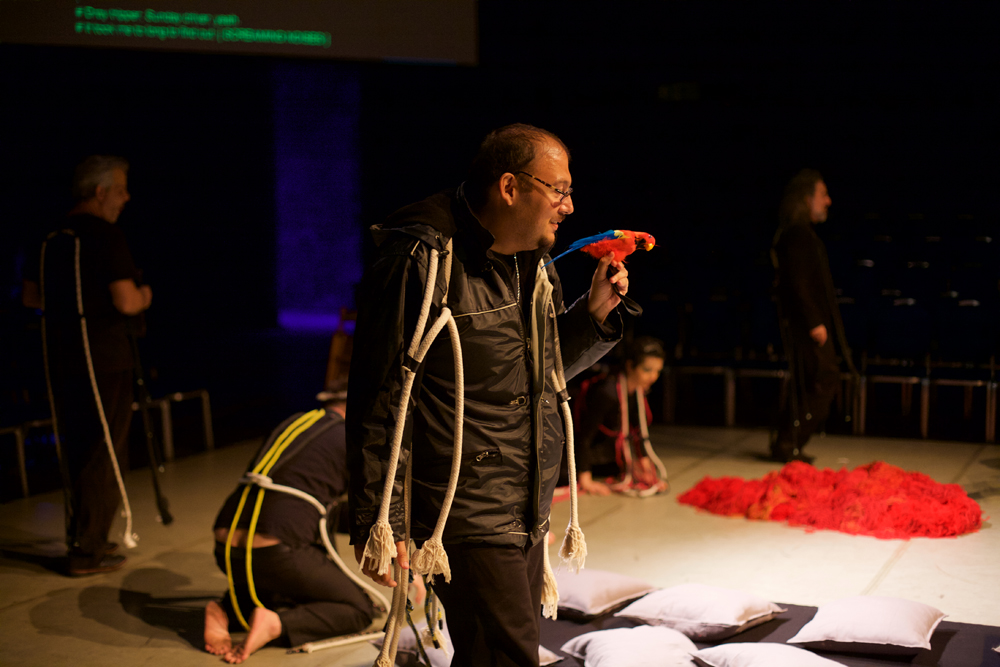
Inhabiting a different kind of energy, Ueinzz’s open rehearsals reveal a glimpse into their ongoing daily theatrical modes of caring – multiplying the ways in which their plays are meant to be felt, rather than understood.
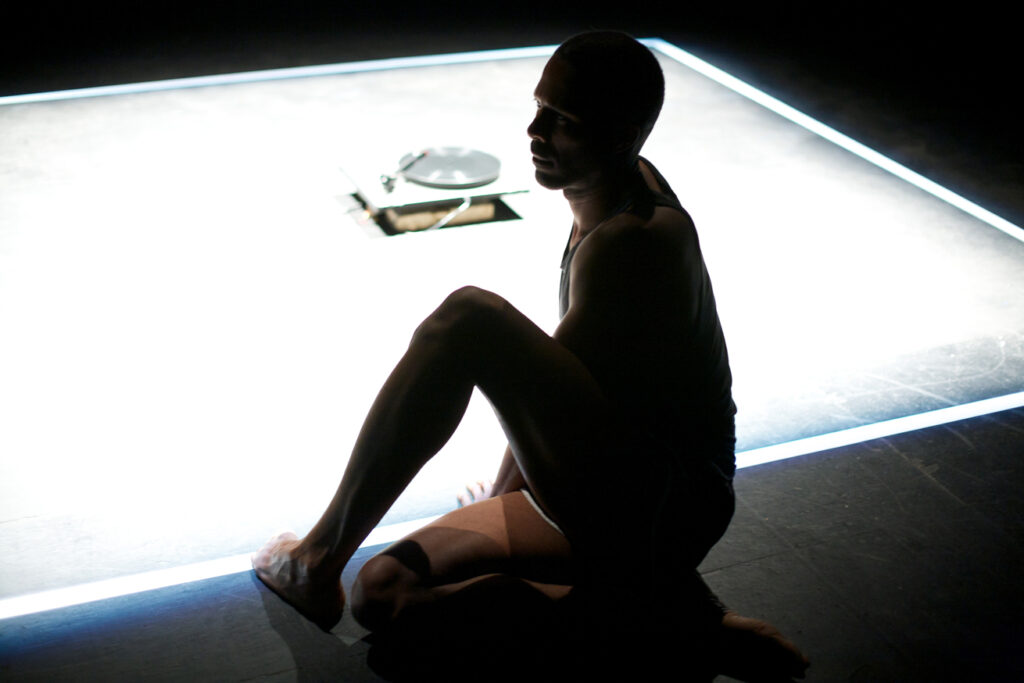
When we look, how do we objectify the body; how can we reflect on our (self) image as a construction?
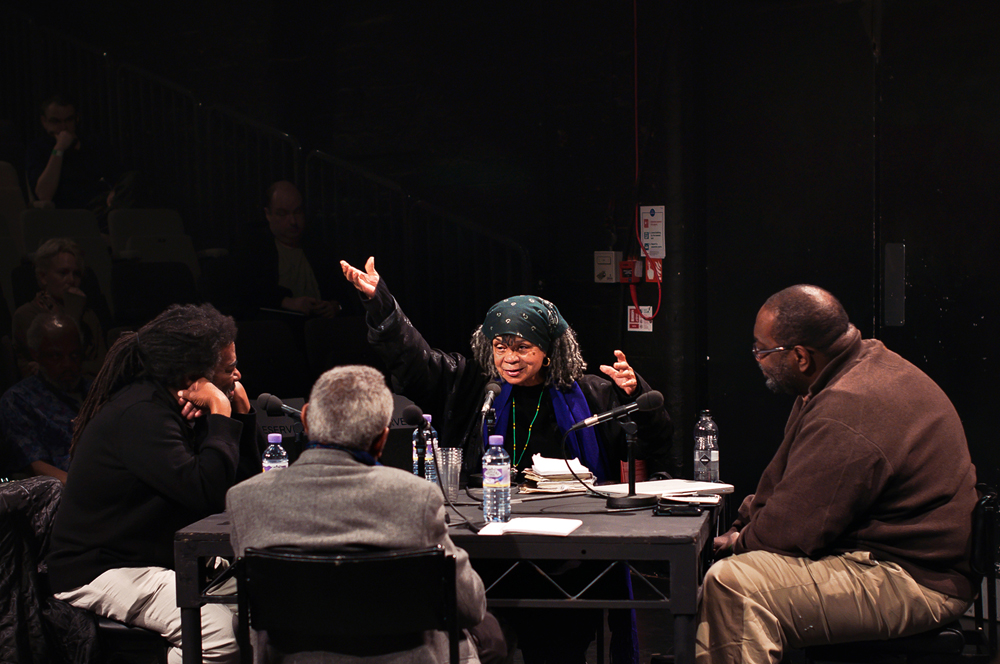
What happens when you are engaged in a deep and extended artistic practice that intersects between literature and music, notation and improvisation, sight and sound?
Has neoliberal capitalism locked down social experience? Are our seemingly subjective desires, our identities, pre-packaged by dominating social structures?