The Invasion of Thunderbolt Pagoda
Acid Mothers Temple
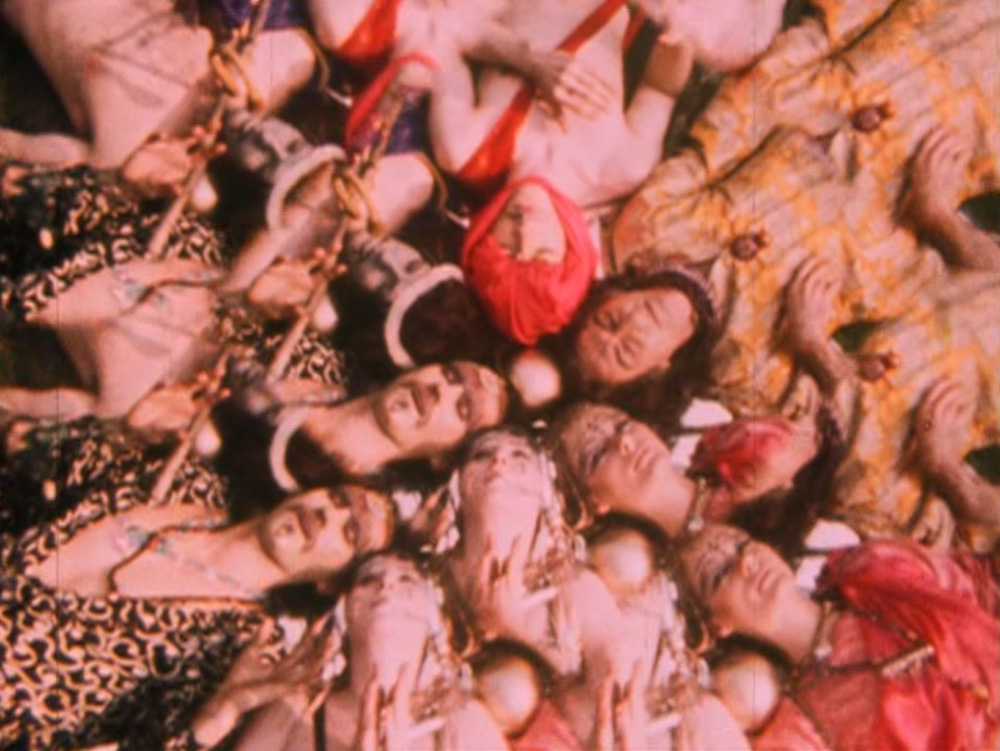
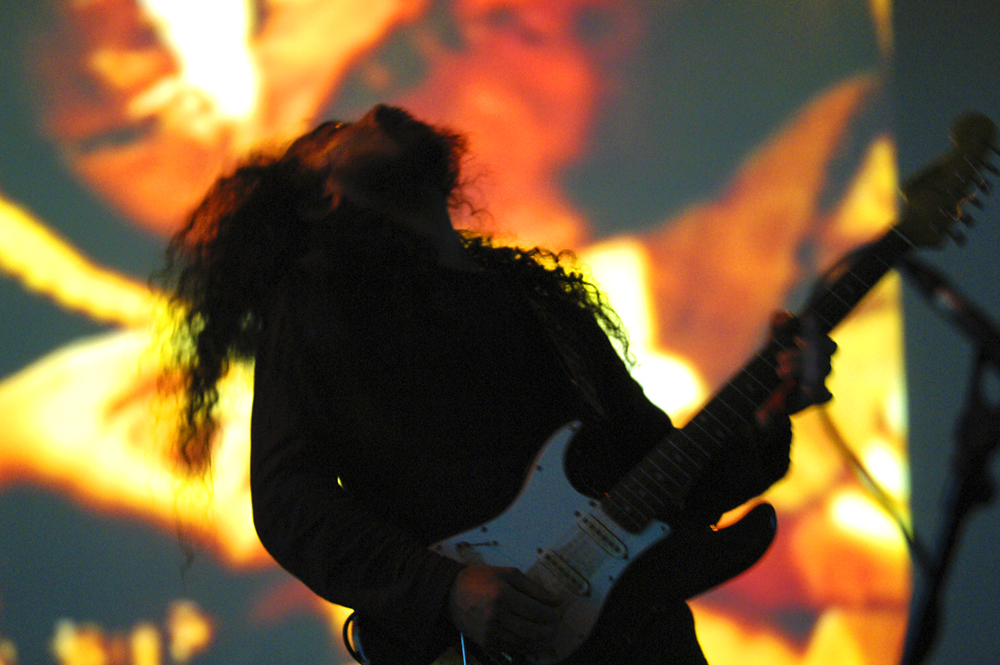
Freak-out group for the 21st century perform a live soundtrack to Ira Cohen’s infamous psychedelic masterpiece ‘The Invasion of Thunderbolt Pagoda’
Arika have been creating events since 2001. The Archive is space to share the documentation of our work, over 600 events from the past 20 years. Browse the archive by event, artists and collections, explore using theme pairs, or use the index for a comprehensive overview.
Freak-out group for the 21st century perform a live soundtrack to Ira Cohen’s infamous psychedelic masterpiece ‘The Invasion of Thunderbolt Pagoda’
Miniscule free-noise hissy-fits and broken instrument scrape/ squeal jams from the fools what brought you Giant Tank.
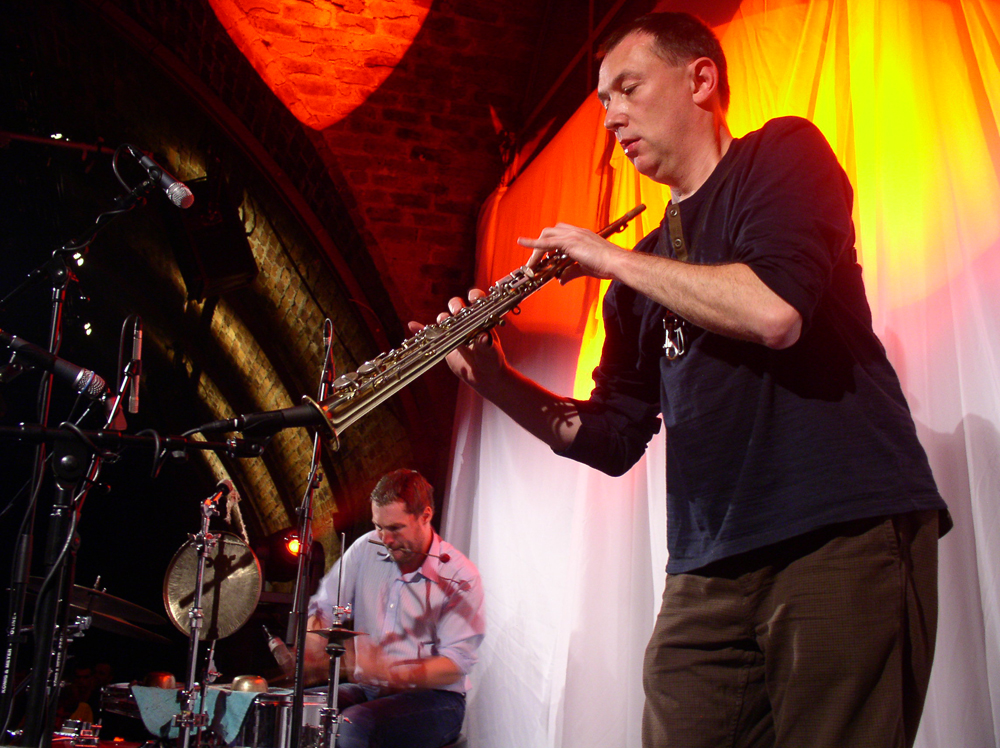
Originally billed as a duo of Ingar Zach and Derek Bailey, John Butcher stood in for Bailey at the last minute.
Austrian guitarist who specialises in a warm digital deconstruction of guitar noise
5 days of film, music, discussion and study of our collective incompleteness—arrayed against the colonial ordering of how we come to know the world—practicing how we might exist otherwise, right here and now. Can we start to know and practice the world to come?
ACCESS: SOUND FILE A day-long salon accompanying KYTN focusing on sound art.
Beat poet Ira Cohen’s now infamous and wildly psychedelic film odyssey feeds one’s own seeing apparatus through beautifully warped and distorting mylar mirrors, resulting in a film dense and rich with visual arcana and poetry.
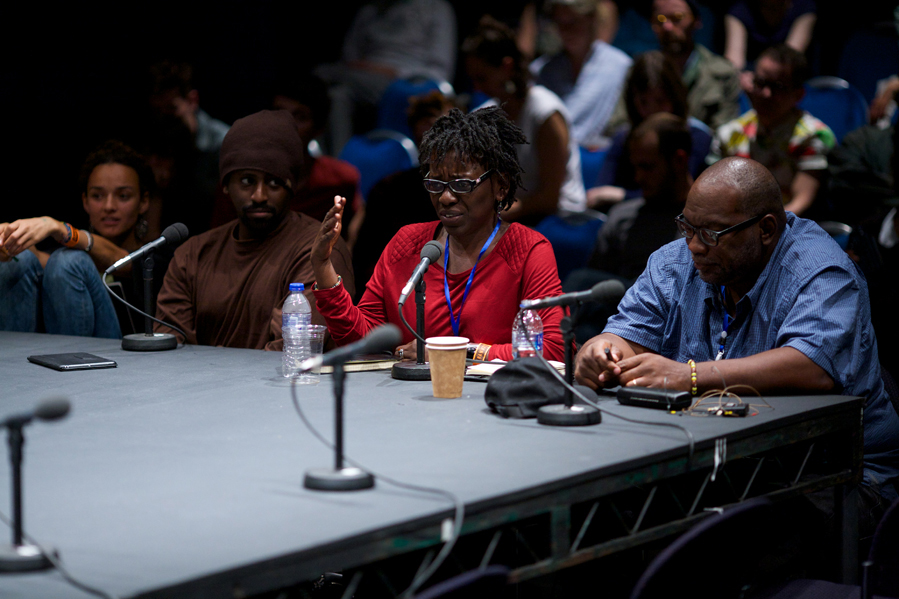
A discussion about what is at stake in the performance of realness and the practice of passing, and how they are both acts of survival and resistance.
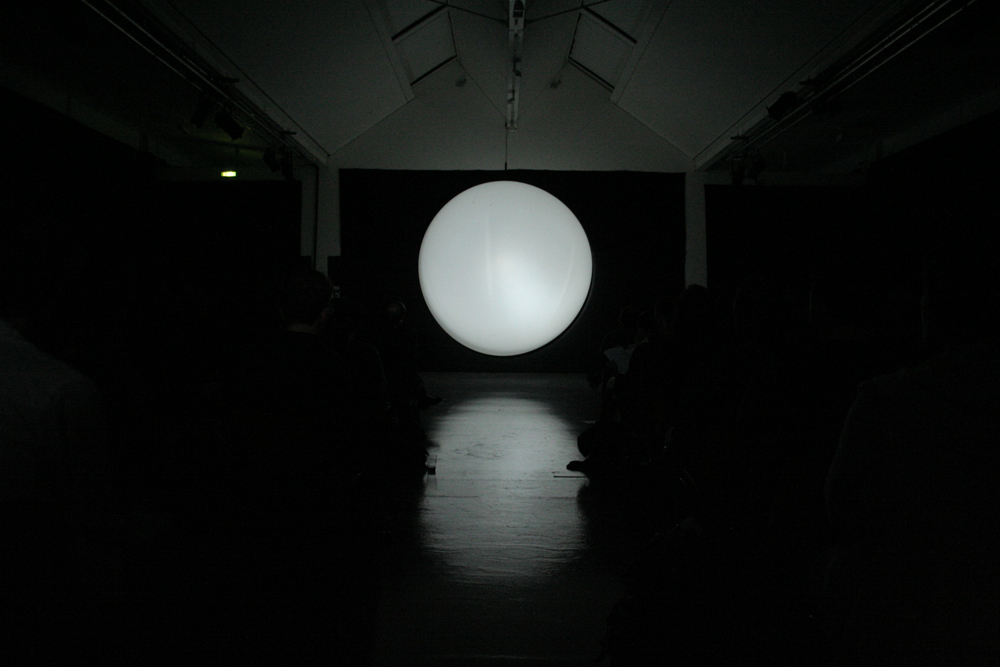
60 minutes of hard ass minimal film, projected onto a weather balloon and accompanied by the inspired poetic rant of a visionary Frenchman.
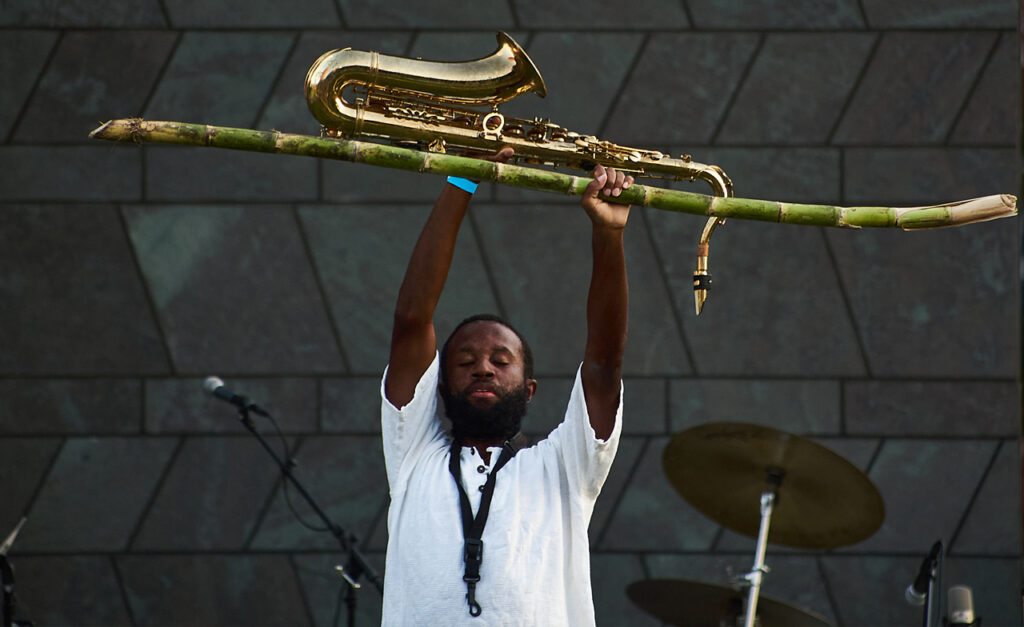
Ellis’s processional, precessional cessation and continuation of movement and music comes to us via his forthcoming release Aster of Ceremonies (Milkweed Editions, 2023)
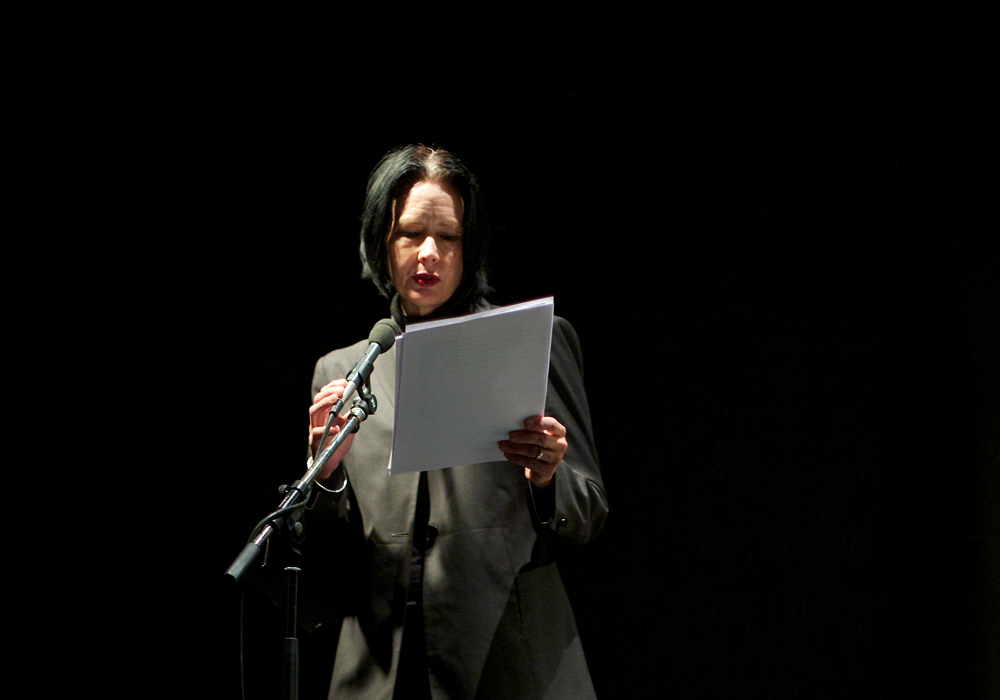
Vanessa Place talks at The Friday Event series at the Glasgow School of Art about her practice as a writer.
What might Carter and Parker’s collaboration tell us about our own performances of responsibility and liberty, whether individual, social or musical?