Peter Evans
Peter Evans
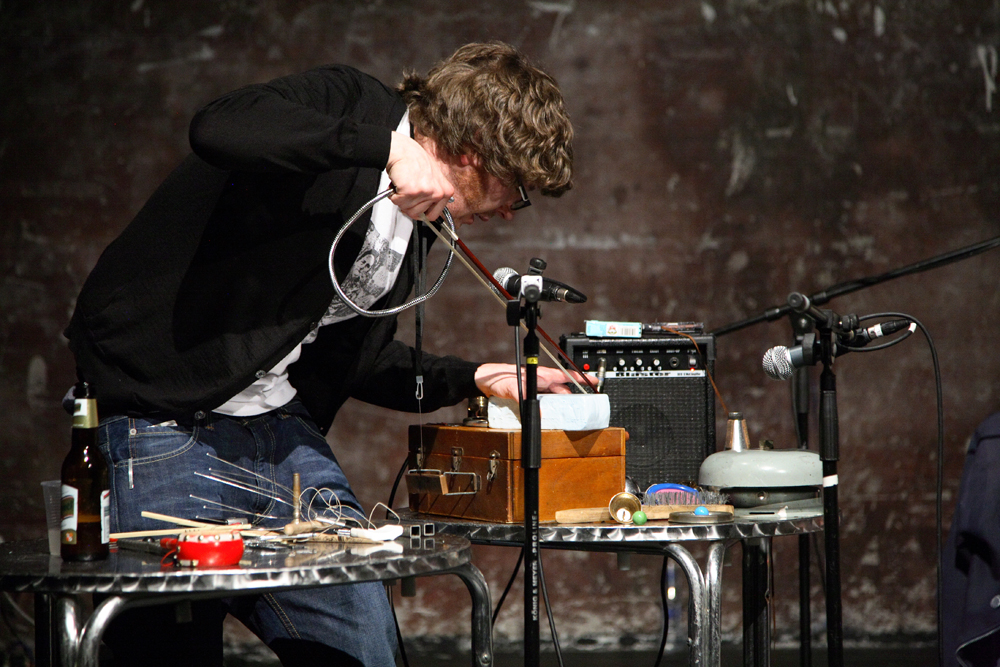
A sound of buzzing and flickering metallic drones, glottal stops and guttural growls, and also an explosiveness and purity of sound that reminds you as much of Bill Dixon as anyone else.
Arika have been creating events since 2001. The Archive is space to share the documentation of our work, over 600 events from the past 20 years. Browse the archive by event, artists and collections, explore using theme pairs, or use the index for a comprehensive overview.
A sound of buzzing and flickering metallic drones, glottal stops and guttural growls, and also an explosiveness and purity of sound that reminds you as much of Bill Dixon as anyone else.
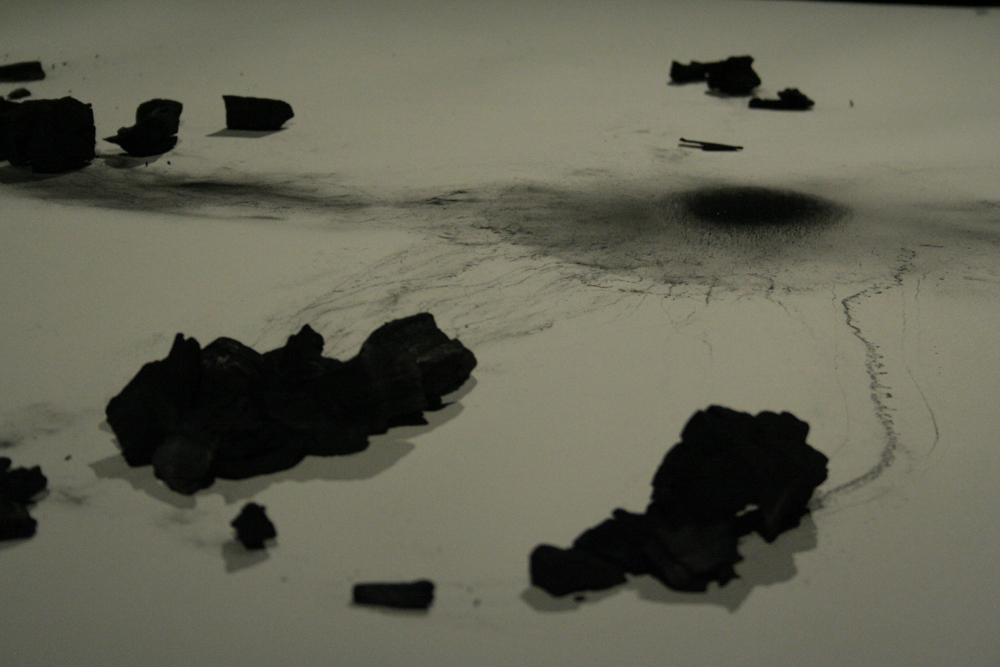
Laser beam sine tones used to draw delicate, abstract patterns by vibrating charcoal, placed atop of a great strip of paper running through the gallery; beautiful, fragile sound-created autonomous drawing.
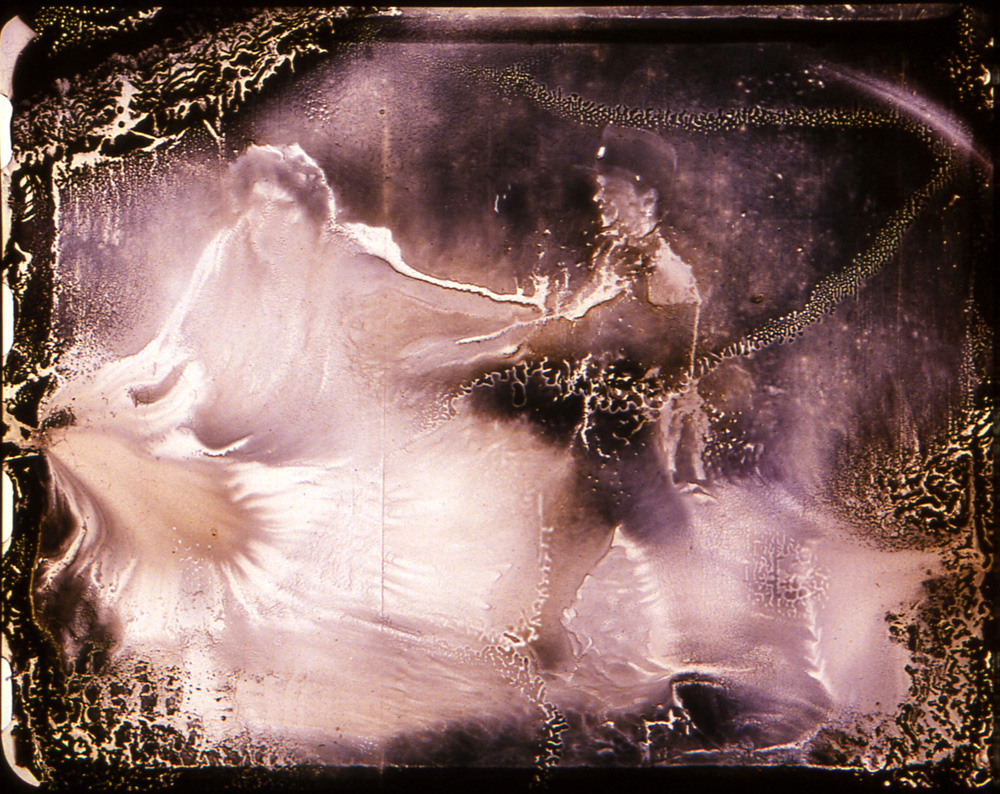
Each film in this programme celebrates process; the decay of emulsion, the properties of dust and dirt, the manipulation of time. Post the dawn of the digital age, we reflect on our love of the film form, celluloid as an object, a medium and a physical entity.
Thuja specialise in a unique and abstract folk music, a devoutly organic tapestry deeply rooted in the sway and bow of nature.
Criminal Queers visualises a radical trans/queer struggle against the prison industrial complex, working to abolish the multiple ways our hearts, genders, and desires are confined.
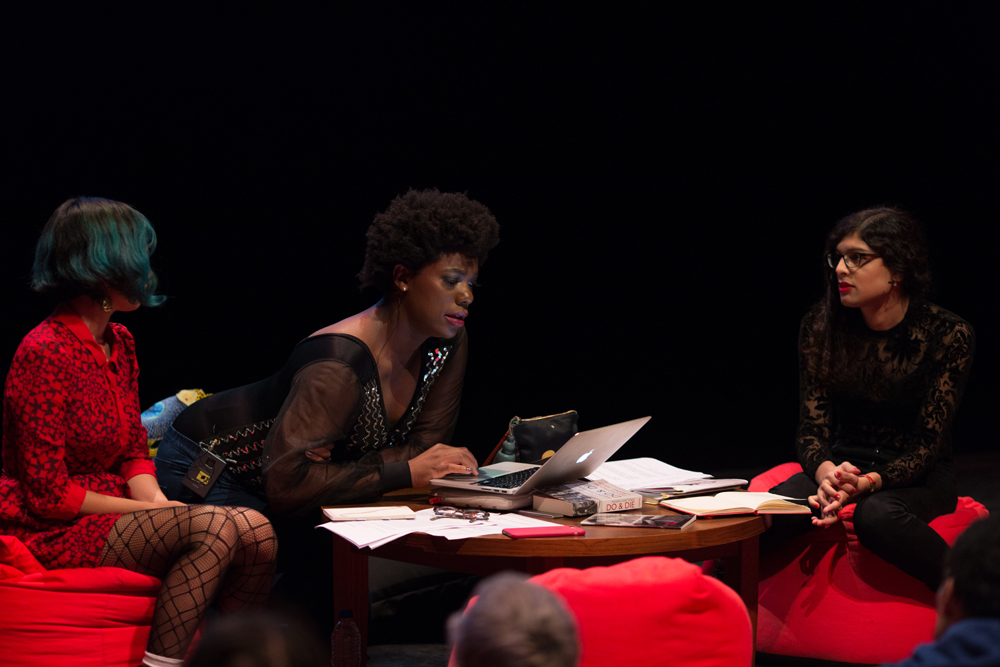
Thought and action, writing and protesting. A chat with Nat Raha, KUCHENGA and Jackie Wang asking what can be learnt from writing across genres by agitators, activists and abolitionists?
Dead Labour Process drool-tape farmer, squeaking/creaking Usurper brother and Peeesseye’s yodelling traps-man hold a real OUT splutter party.
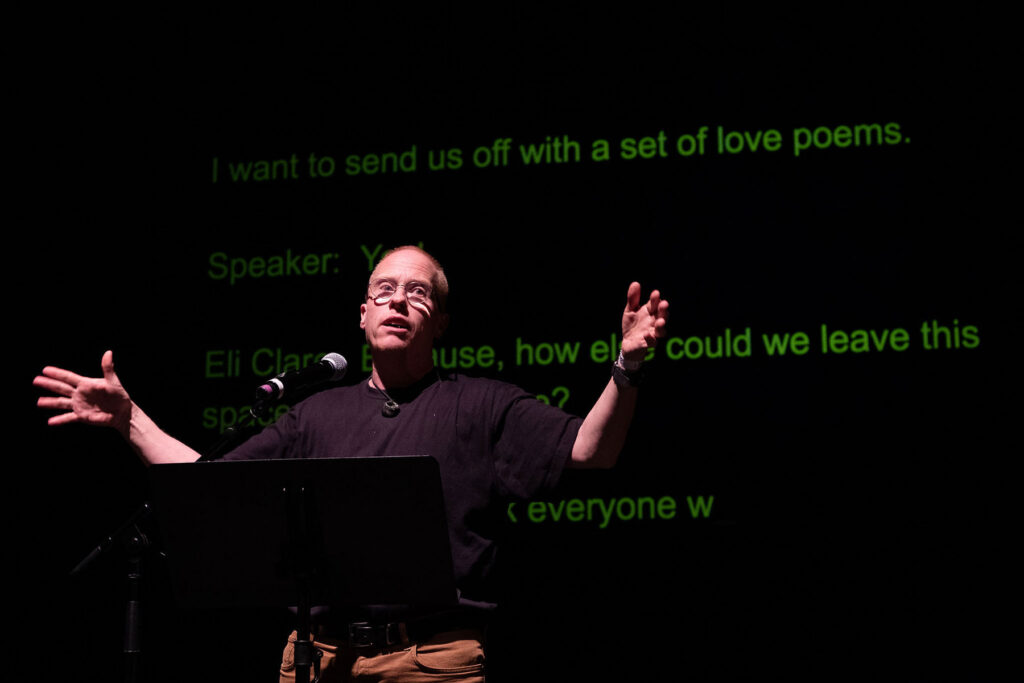
Poems are kisses, fists, and underground rivers. For all these reasons and many more, I am a poet.
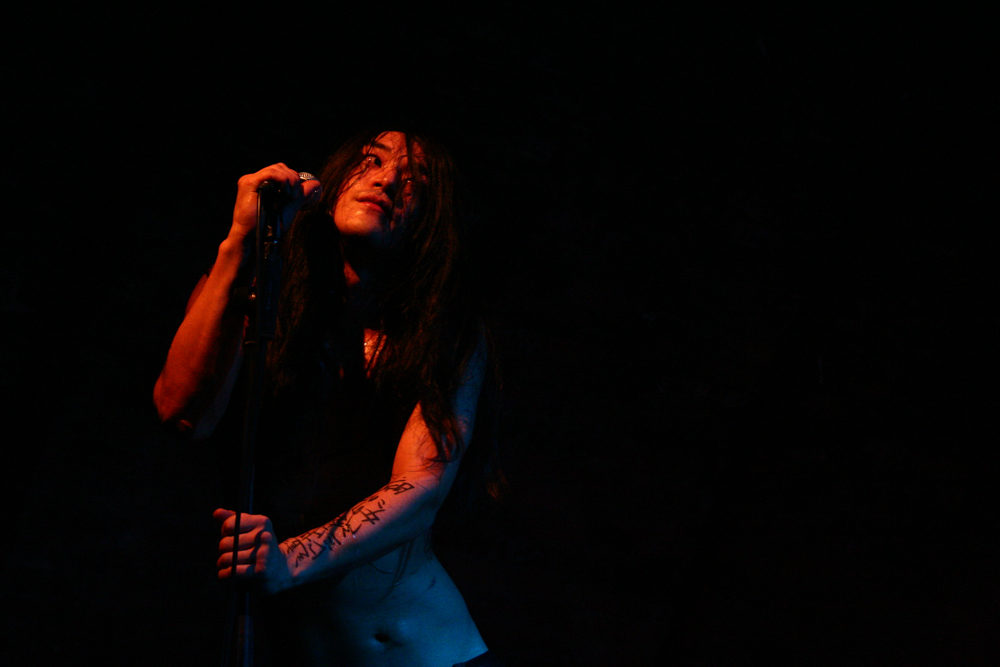
No Wave, damaged garage jams and crazed instant vocal shrieks.
5 days of film, music, discussion and study of our collective incompleteness—arrayed against the colonial ordering of how we come to know the world—practicing how we might exist otherwise, right here and now. Can we start to know and practice the world to come?
Can a collective performance of NourbeSe’s poem of black life as it exceeds containment enact alternative forms of selfhood that emerge in and out of African diasporic experience?
A panel exploring how to dismantle the master’s house — its material edifices and ideological architecture — and the construction of abolitionist futures in the present.