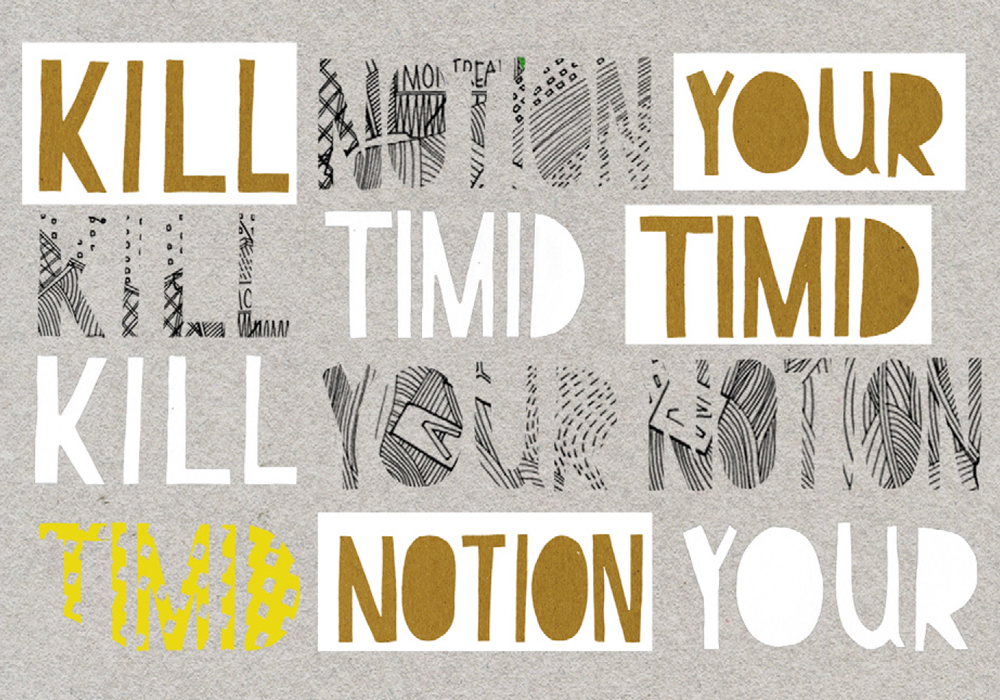
Kill Your Timid Notion 07
Investigating the border between the audible and the visible means looking at the margins, the edges of creativity where artists test out new boundaries and define them anew.
Arika have been creating events since 2001. The Archive is space to share the documentation of our work, over 600 events from the past 20 years. Browse the archive by event, artists and collections, explore using theme pairs, or use the index for a comprehensive overview.
Investigating the border between the audible and the visible means looking at the margins, the edges of creativity where artists test out new boundaries and define them anew.
Sean and Taku share an interest in structure, space and time. A spartan, abstract, considered and surprisingly musical set.
Can we use sound, repetition and difference to personally and collectively engage with space, time and labour?
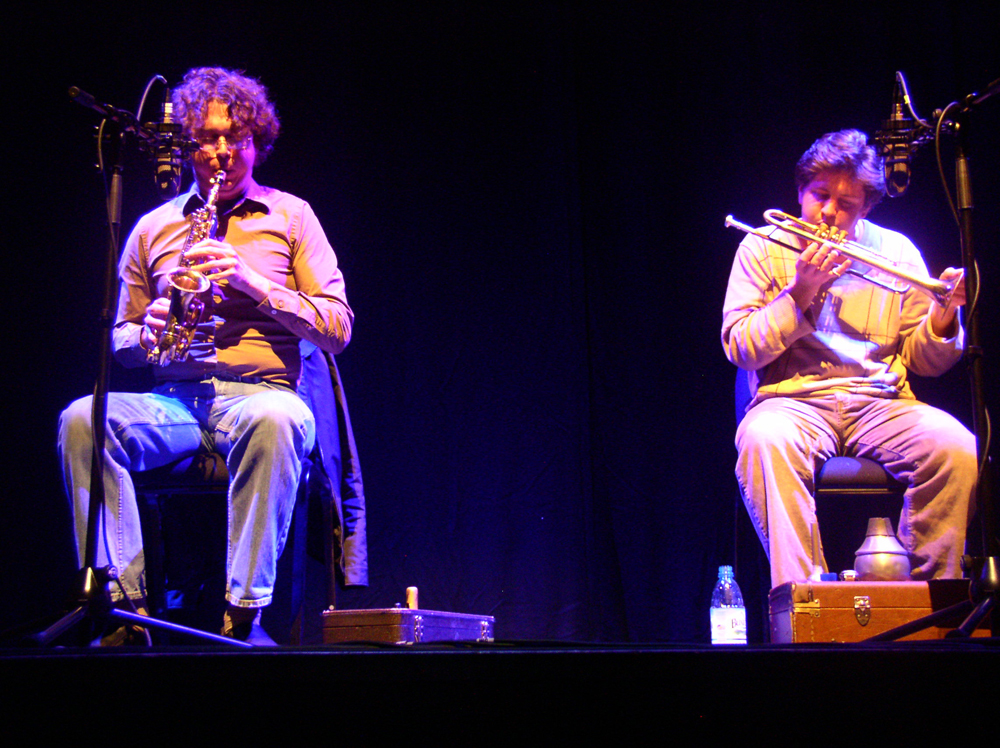
Boston duo of saxophonist Bhob Rainey and trumpeter Greg Kelley approach their improvisations with a slew if extended techniques and pregnant silences.
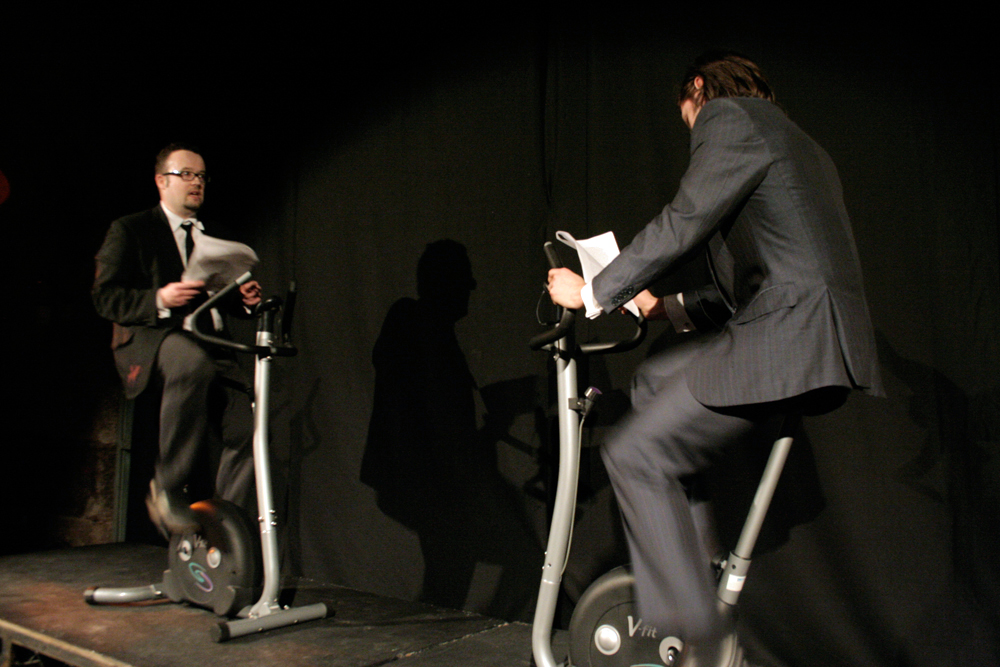
Simon Morris is joined by Nick Thurston as they attempt to read aloud whilst peddling on exercise bikes.
A dense, hard, immersive, chaotic spatial performance in sound: a momentary gap in consciousness, free of order or decision.
The first of two workshops that highlight correspondence as a way of working. Somewhere between song, speech, and logistical arrangement, these workshops invite participants to consider care as infrastructure.
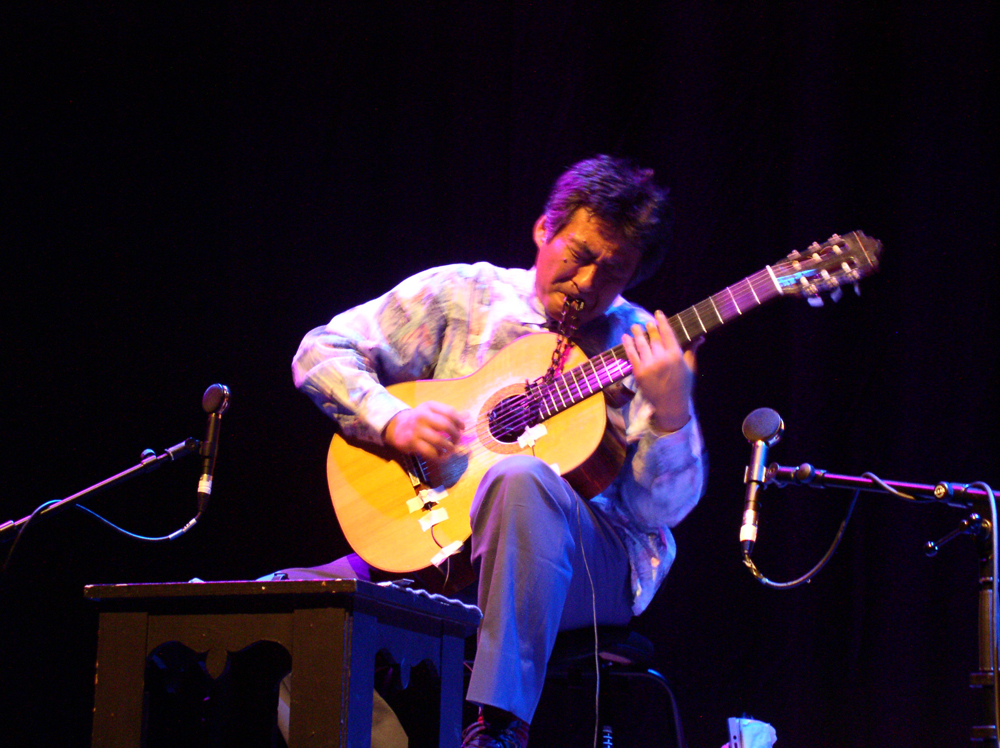
One of the most arresting and unique improvisers in Japan, creating an original and powerful body of free music.
A dense materialist experience at the limits of contemporary computer music, drawing on Korean Shamanism and Communism; striving to create a strange new vibration to the world that seems to contain the seed of everything.
A discussion about what is at stake in the performance of realness and the practice of passing, and how they are both acts of survival and resistance.
Instead of the one-way monologue of normal performance, what would be the result of an actual collective dialogue? Where would it go?
How do communities practice being one another’s means, addressing their material problems facing them replicating the state’s violent logic of who is disposable.