Ki: Mico, Tamio Shiraishi & Fritz Welch
Fritz Welch Mico Tamio Shiraishi
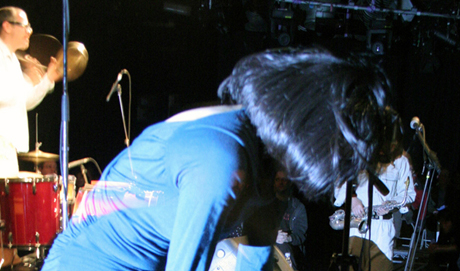
A trio of Tamio’s screaming and immovable slabs of sound; Mico’s dance/ performance/ piano; Fritz’s absurd, flailing percussion/ voice.
Arika have been creating events since 2001. The Archive is space to share the documentation of our work, over 600 events from the past 20 years. Browse the archive by event, artists and collections, explore using theme pairs, or use the index for a comprehensive overview.
A trio of Tamio’s screaming and immovable slabs of sound; Mico’s dance/ performance/ piano; Fritz’s absurd, flailing percussion/ voice.
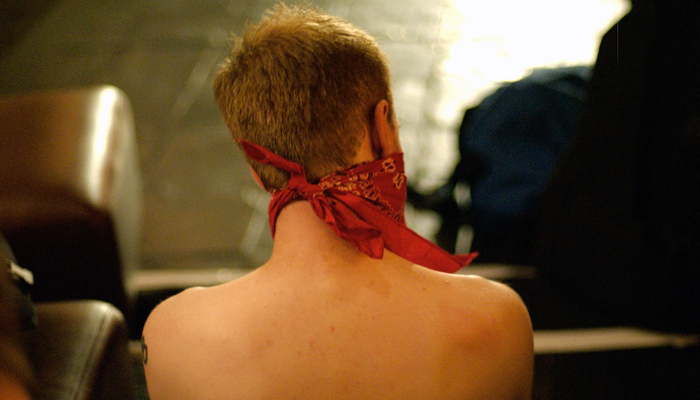
Thirty lucky Instal punters experience Kylie’s pre-match aggro workout one-on-one in the darkness of an Arches dressing room.
One of the great experimental films. A 60 minute, three part riddle that maybe approximates our intellectual development by moving from imageless words to the recognition of silent images and the learning of simple tasks and finally a serenity and acceptance of death.
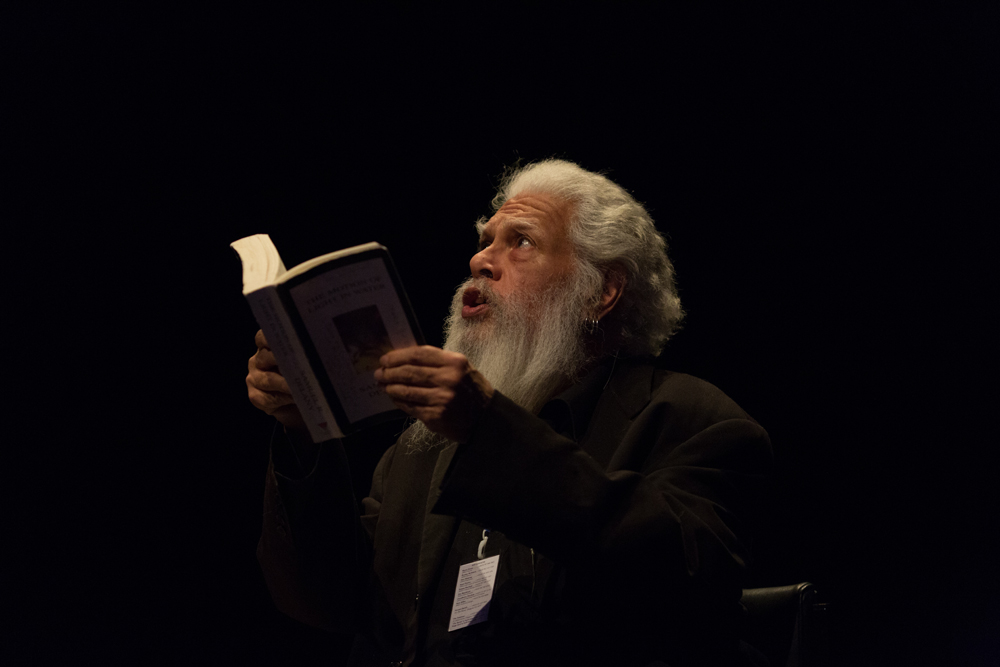
Chip will read some of his great literary pornography, which pushes sexuality to the point of extremity and exhaustion.
Conceptual choreography as critique, in Ligia’s film of Caribbean plots and scandals, and the possibilities of anti-colonial revenge, rest and repair.
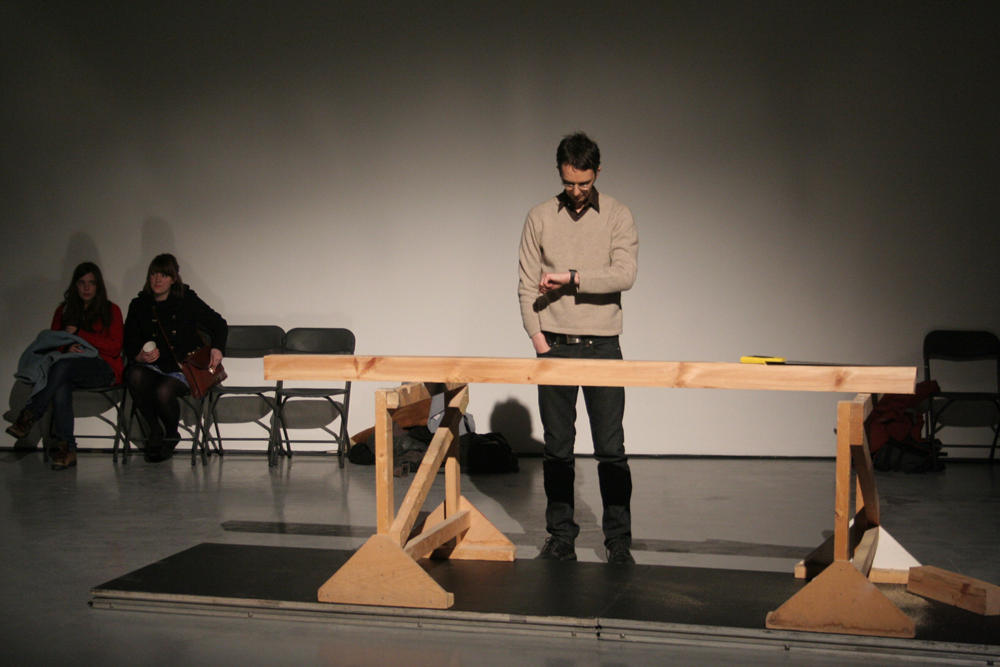
An improvisation that may or may not involve (typical) improvisation.
Can we use sound, repetition and difference to personally and collectively engage with space, time and labour?
Offering a crip grief transformation and witness altar. A place to sit and breathe, remember our dead, wash our hands and leave offerings to and for loved ones we’ve lost – and for ourselves. Expect fire and a little bit of smoke. Concluding with a D/deaf centered social space with conversational interpreters available for those who do not speak ASL.
A tour with John Butcher and Akio Suzuki that set out to allow the audience to experience (and to listen to) the enviroment around them in different way.
A conversation between influential figures thinking through Blackness and Indigeneity, asking: what if we took seriously the possibility that this world, as we know it, may be coming to an end? We dread the loss of this world, but have we begun to imagine the one to come?
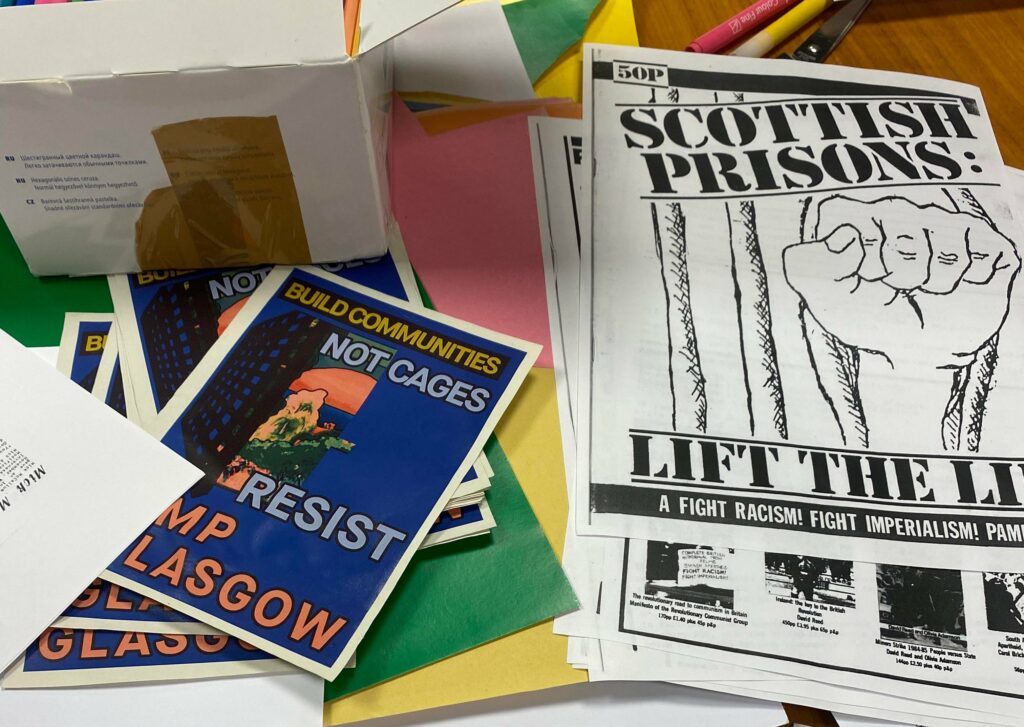
How do people both inside and outside of prison work together to dismantle the criminal justice system and build a society based on collective care?
How do grassroots feminist organisations strategise relationships between mothers, parents, carers and their children based on respect and empowerment, in resistance to the practice of putting children in often the most uncaring of places – care.