Chubz
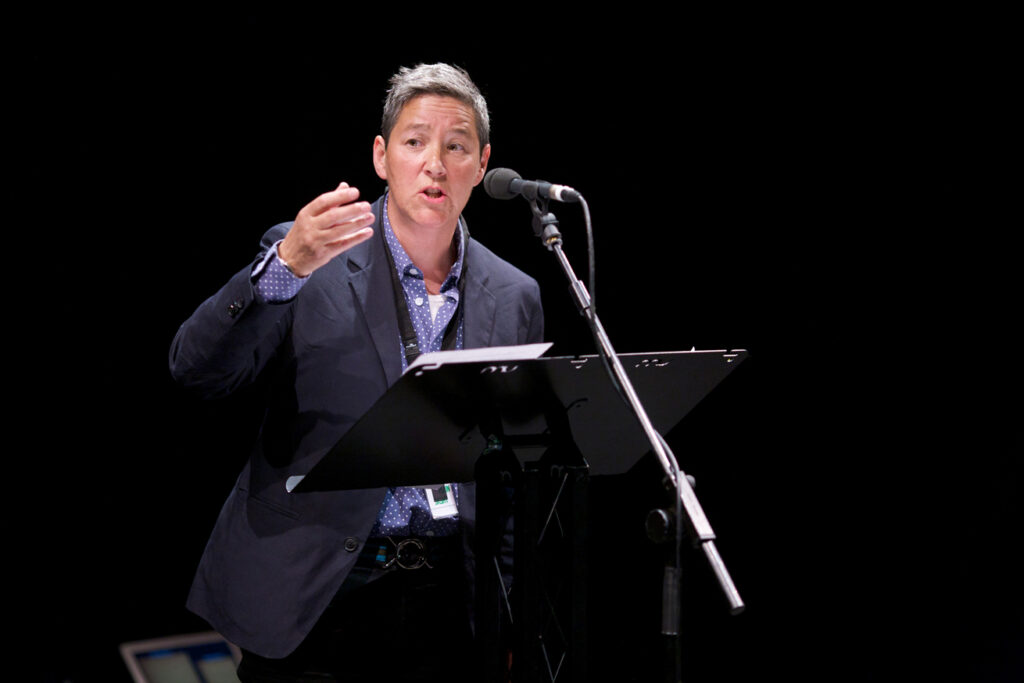
Huw Lemmey
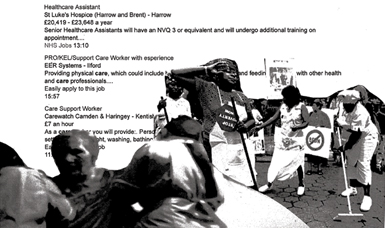
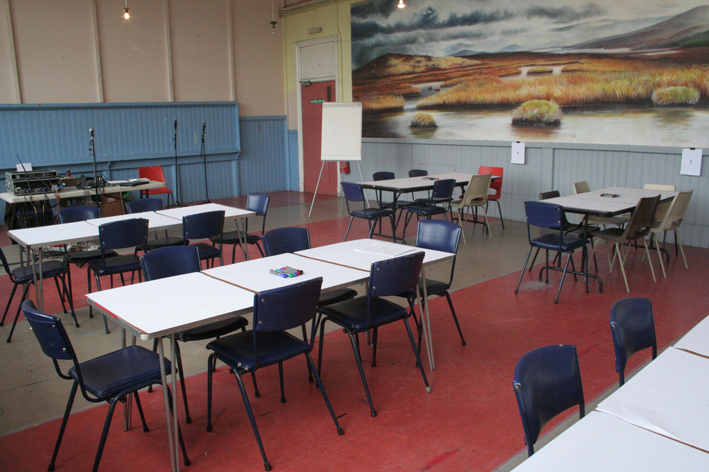
Politicised fan-fiction chronicling working class gay urban space and fantasy.
Arika have been creating events since 2001. The Archive is space to share the documentation of our work, over 600 events from the past 20 years. Browse the archive by event, artists and collections, explore using theme pairs, or use the index for a comprehensive overview.
Politicised fan-fiction chronicling working class gay urban space and fantasy.
Killer of Sheep is an undisputed masterpiece of African-American filmmaking and one of the most poetic, perceptive dramas ever made about family and community.
What is the radical concept at the core of ‘rhythm’, expanded from simply musical or mathematical notions to encompass personal, social, collective rhythms?
Birthed from the collective stagger in global consciousness of the late 50’s and 60’s, this programme celebrates epochal, groundbreaking films that all address sound in their own way and that have opened pathways to experimentation.
What does it mean to listen with the mind as well as the ears? A solo performance from the great avant-garde pianist.
US percussionist, poet, sound artist and instrument maker performing on self-made instruments constructed from industrial materials such as stainless steel, titanium, PVC plastics and various kinds of pipe.
Julius Eastman’s Evil Nigger for 4 pianos performed by Joe Kubera, Kate Thompson, David Murray, Alan Fearon and Simon Passmore.
Offering a crip grief transformation and witness altar. A place to sit and breathe, remember our dead, wash our hands and leave offerings to and for loved ones we’ve lost – and for ourselves. Expect fire and a little bit of smoke. Concluding with a D/deaf centered social space with conversational interpreters available for those who do not speak ASL.
Usurper jamming live in a skip at the site of Bud’s Neill’s Lobey Dosser statue on Woodlands Road.
Although Tony had visited Haino in Japan, and they played together in private, this was the first time anyone other that Haino’s cat saw them perform together.
What might Carter and Parker’s collaboration tell us about our own performances of responsibility and liberty, whether individual, social or musical?
How do communities practice being one another’s means, addressing their material problems facing them replicating the state’s violent logic of who is disposable.