The Experiment: Pt. 1
Amiri Baraka Fred Moten Wadada Leo Smith Sonia Sanchez
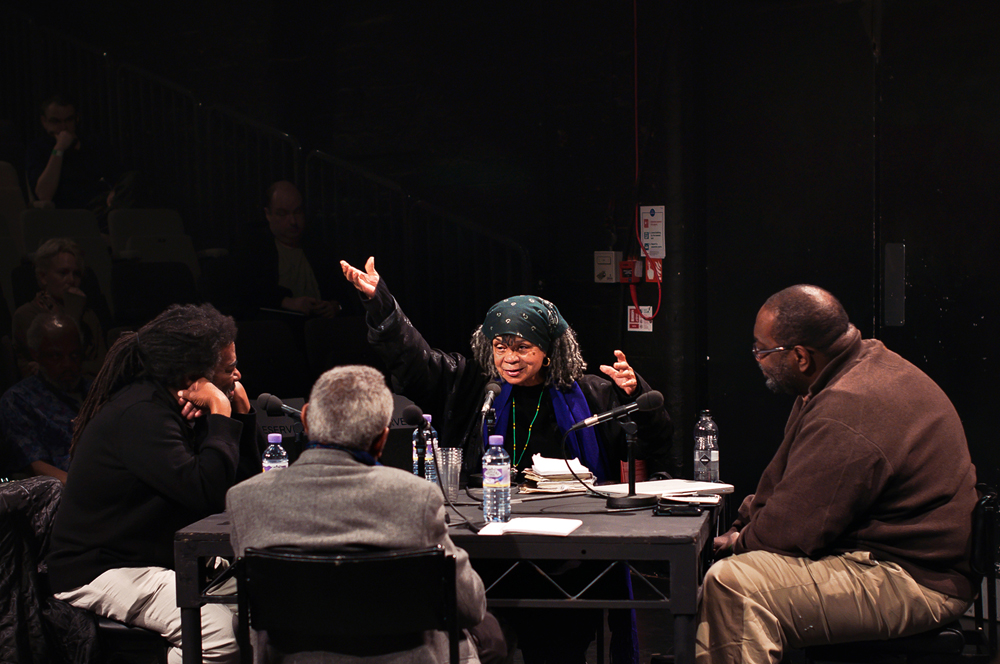
What happens when you are engaged in a deep and extended artistic practice that intersects between literature and music, notation and improvisation, sight and sound?
Arika have been creating events since 2001. The Archive is space to share the documentation of our work, over 600 events from the past 20 years. Browse the archive by event, artists and collections, explore using theme pairs, or use the index for a comprehensive overview.
What happens when you are engaged in a deep and extended artistic practice that intersects between literature and music, notation and improvisation, sight and sound?
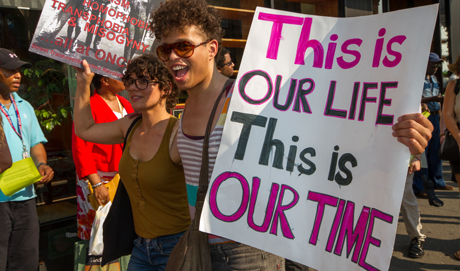
4 days of performances, discussions, workshops, screenings with mutant dancers, prison abolitionist poets, transfeminist revolutionaries, haunted noise, science fiction, sex worker resistance, crip erotics, radical pornography and militant fiction.
Underlying radical transfeminism, as an urgent critique of binary essentialism and fixed identities, is the call for a new kind of thinking that can move between and integrate the truths of all lives in their transformations.
“Mackey composes realist-mythic layering of lyrical prose unlike anything being written today.” — New York Times. “Our greatest living epic poet…Mackey’s poetry and criticism have reinvented modernism for our time.”— LitHub
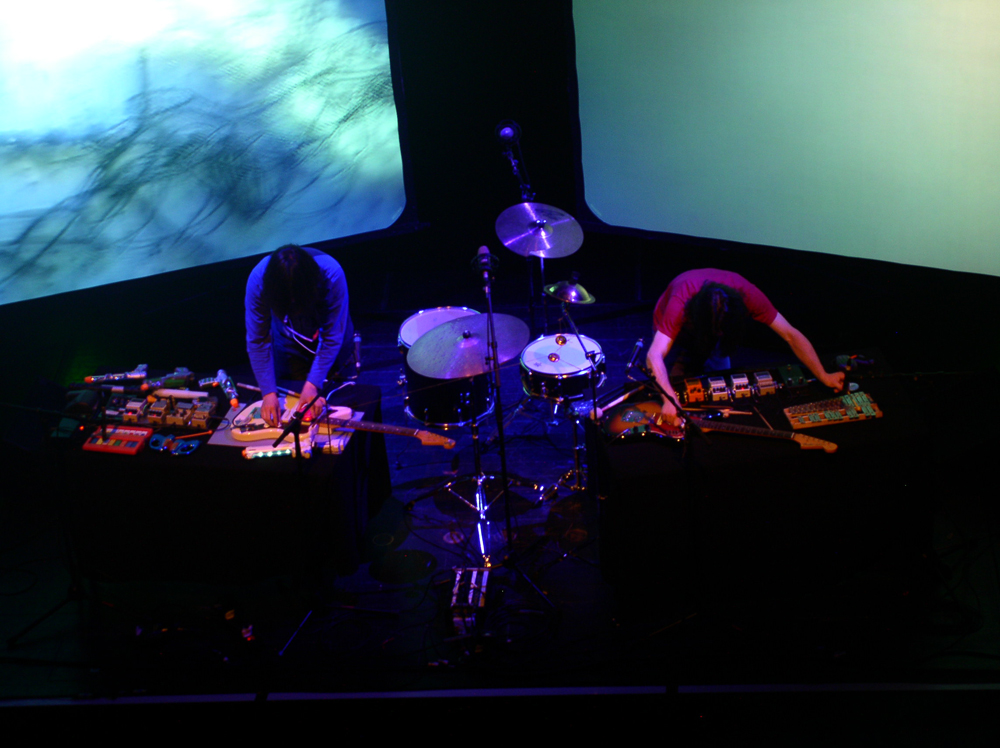
AVVA sees the internal feedback of Toshi’s no-input mixing desk is fed to Billy, and transformed into bright and variegated patters, striations and blooming colour, before being fed back to Toshi and manipulated on route to the PA.
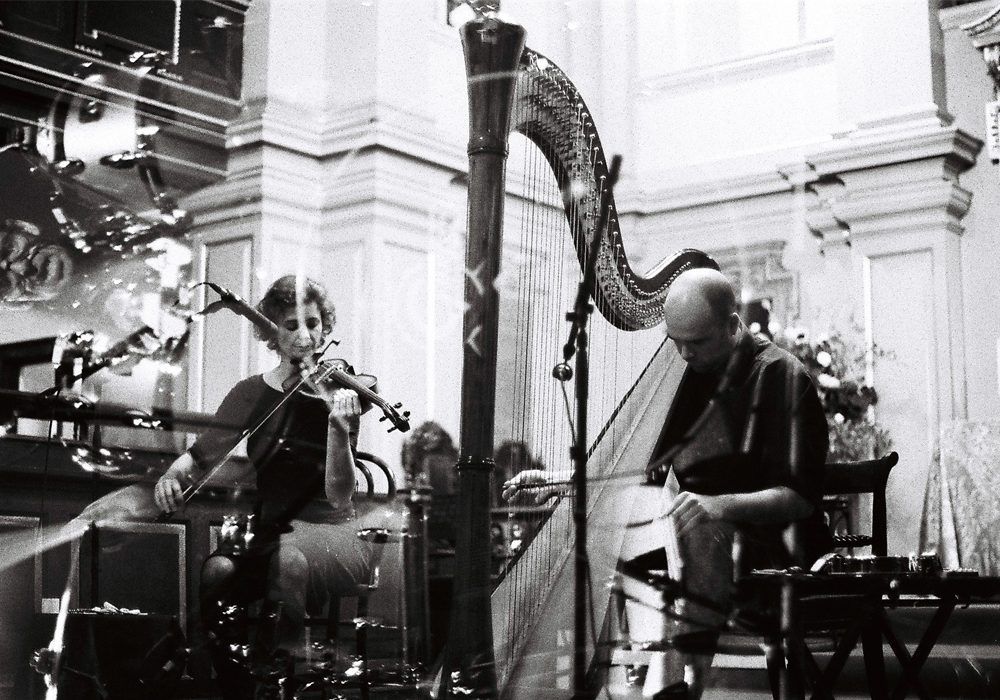
Performances at St Giles in the Fields, London by Jandek, Rhodri Davies & Angharad Davies, Rauhan Orkesteri.
A conversation about the movement for prison abolition and refusing the logic of race and sex that underpins the criminalisation and mass incarceration of communities.
Each organ is unique. The project is to find out what makes it unique.
Arika is proud to be one of several arts organisations in Scotland supporting the commissioning of a radical new manifesto, by and for disabled artists working in Scotland.
The Songspiels take on a mode of musical theatre developed by playwright Bertolt Brecht and composer Kurt Weill in the early twentieth century, presenting political and social concerns through the accessible and (often funny) form of song.
Slapstick comedy, monologue, and a kind of live sculpture transformed through video, props, musical instruments and make-up.
Italian duo of brothers Maurizio and Roberto Opalio utilising an array of acoustic and electric guitars, various toy-instruments and toy-microphones.