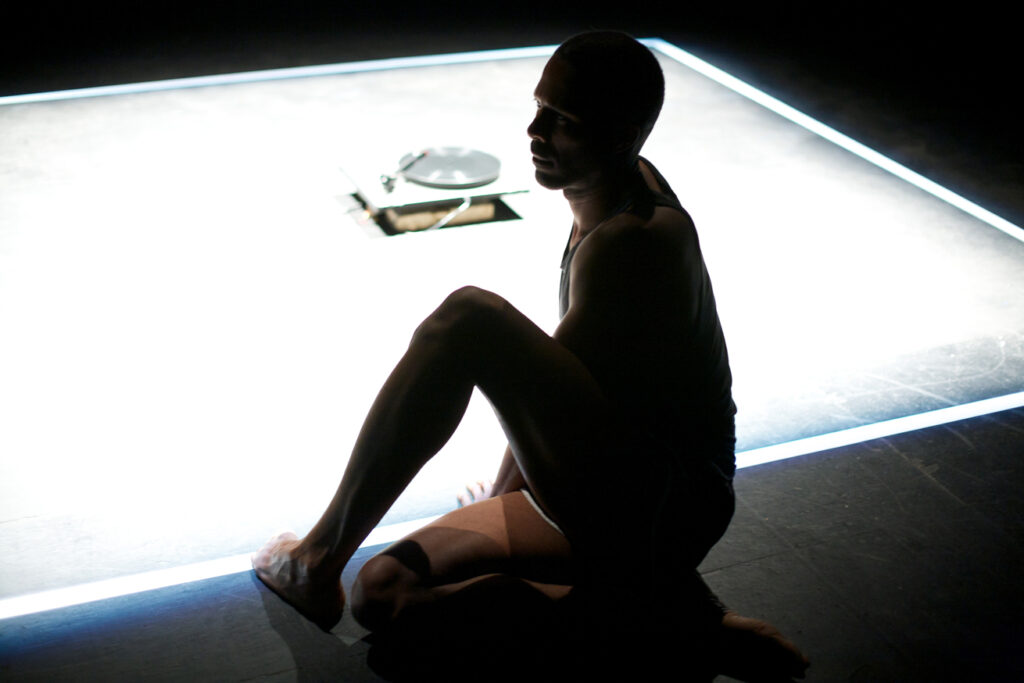
Suspended closure, suspended
Jimmy Robert
When we look, how do we objectify the body; how can we reflect on our (self) image as a construction?
Arika have been creating events since 2001. The Archive is space to share the documentation of our work, over 600 events from the past 20 years. Browse the archive by event, artists and collections, explore using theme pairs, or use the index for a comprehensive overview.
When we look, how do we objectify the body; how can we reflect on our (self) image as a construction?
A trance inducing, flickering investigation of structural and minimalist droning from one of the key thinkers in sound and image over the last 50 years
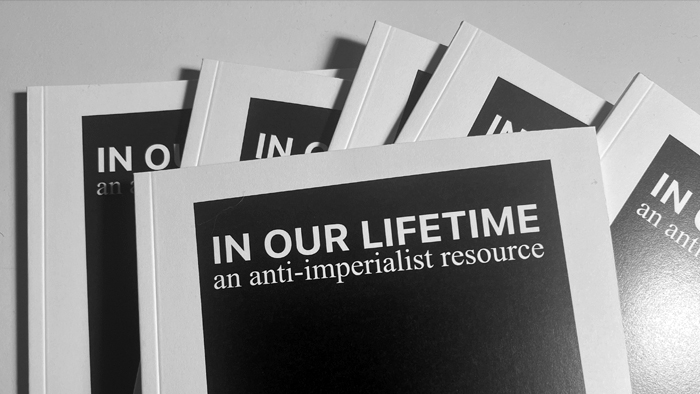
IN OUR LIFETIME, is an anti-imperialist resource, edited by Hussein Mitha, produced by Arika for Episode 11, featuring poetry, essays, questions, prompts, letters and works of anti-colonial imaginary.
Haino exceeds expectation with a 4 hour solo performance on a collection of more than forty instruments from all over the world.
Three documentary films exploring diverse realities of sex workers around the world followed by a closing ceremony of the festival.
Merzbow takes the junk of sound and transforms it into blistering noise assaults with an incredible spectrum and impact.
Sax/Drums duo of raucous, pealing noise, and cries of beguiling lyricism, whispered sax phrases float in a timbral cloud of bowed metal and rumbling toms.
An open conversation hosted by Saidiya Hartman and Fred Moten around ‘fugitivity’ and ‘waywardness’ and what it means to be in flight, excessive or ungovernable.
Solo by Jean-Philippe Gross, a French electro-acoustic improviser, working with mixing board, cheap mics, small speakers and an analog synth, built around a honed interest in feedback.
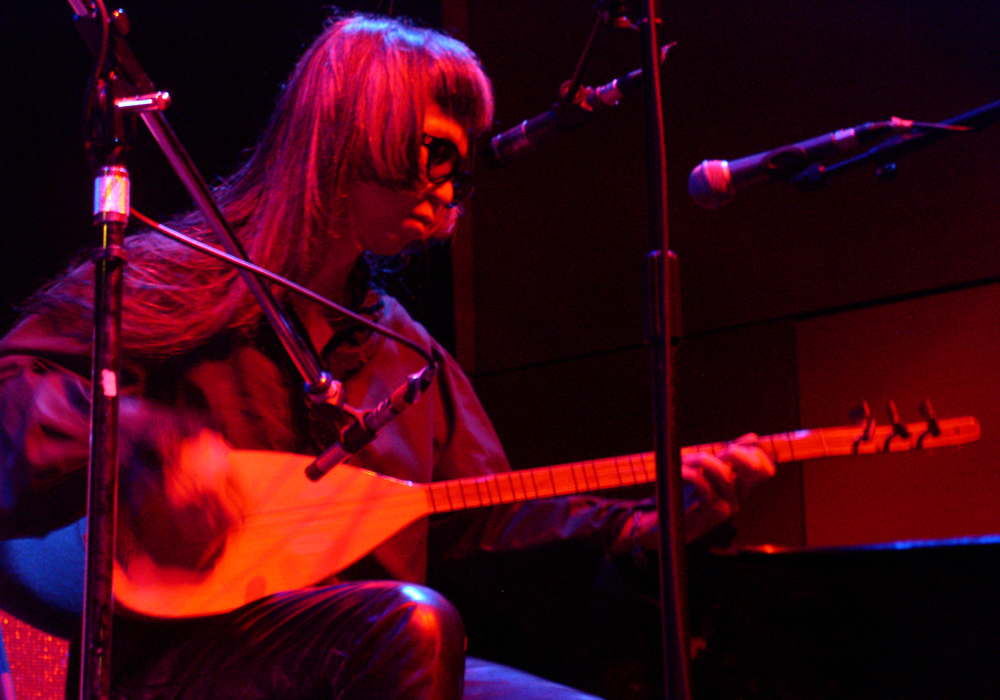
Performances at CCA Glasgow by Keiji Haino, My Cat Is An Alien, Taurpis Tula, Jandek with Richard Youngs and Alex Neilson.
Solo organ performance by German composer Eva-Maria Houben, which focuses on ‘nearly nothing’ to expand the way we listen.
The second in a series of workshops for workers and non-workers who care. What does the sharing of vulnerability entail? Can such a sharing inform progressive social relations?