Encuentro Glasgow
Ultra-red
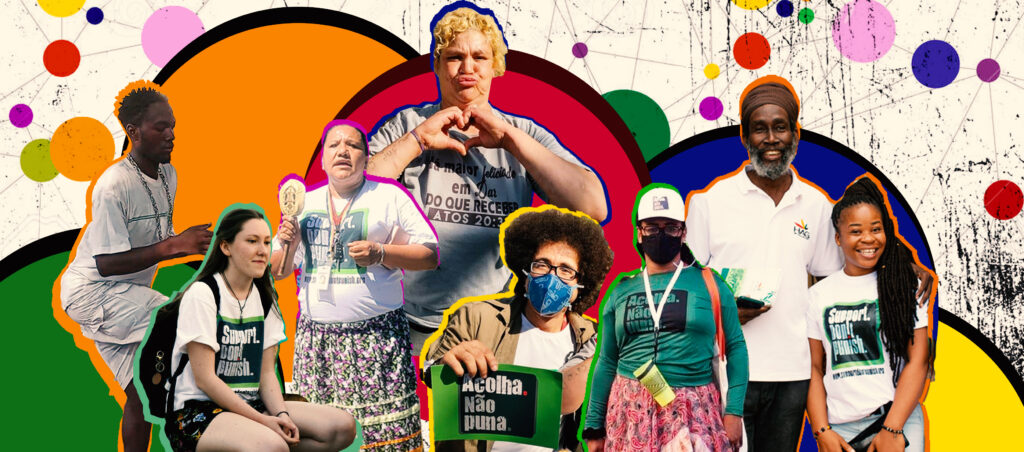
A public gathering that brings together local artists, musicians, activists, and community organisers.
Arika have been creating events since 2001. The Archive is space to share the documentation of our work, over 600 events from the past 20 years. Browse the archive by event, artists and collections, explore using theme pairs, or use the index for a comprehensive overview.
A public gathering that brings together local artists, musicians, activists, and community organisers.
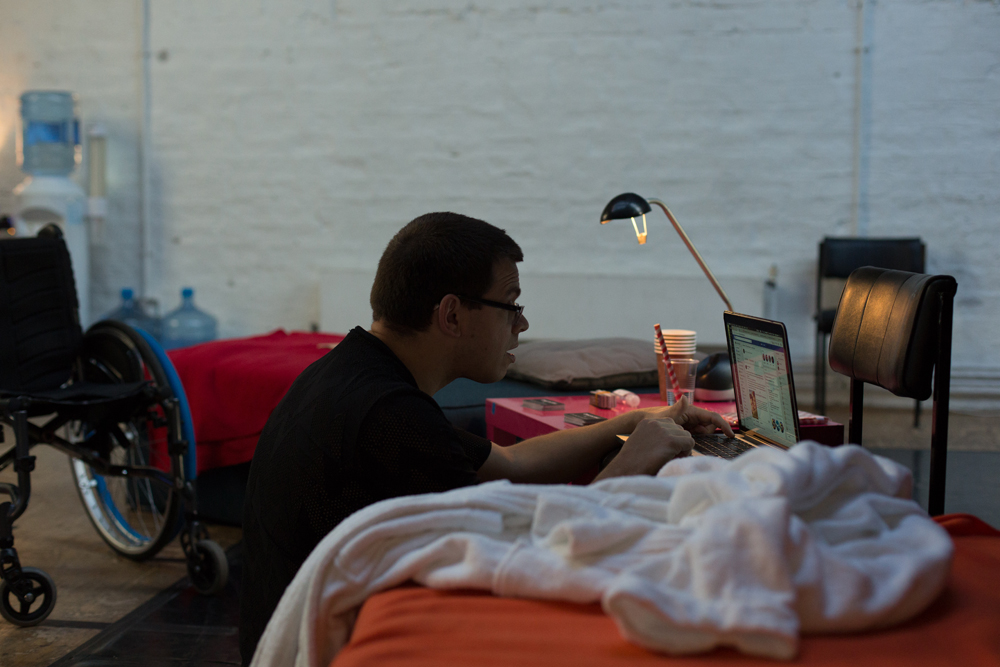
Ten short intimate one-on-one conversations with Robert Softley Gale – We all want to see ourselves reflected in the world around us—in society, in art, in culture… in porn?
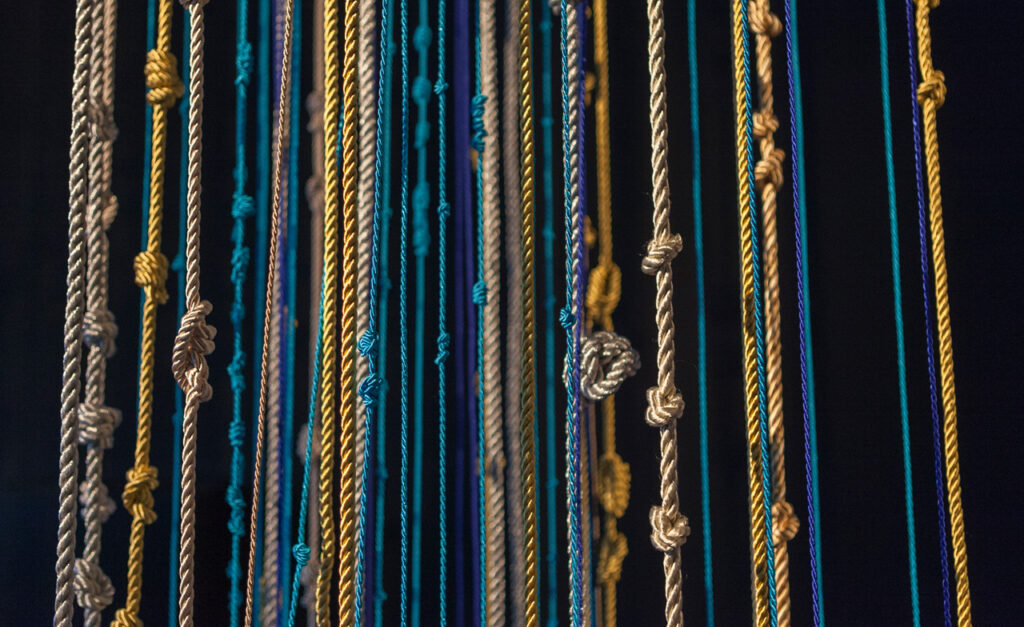
How do we sense entanglement? Can the knotting of ropes according to a poem’s rhythm make the social pulse of language matter?
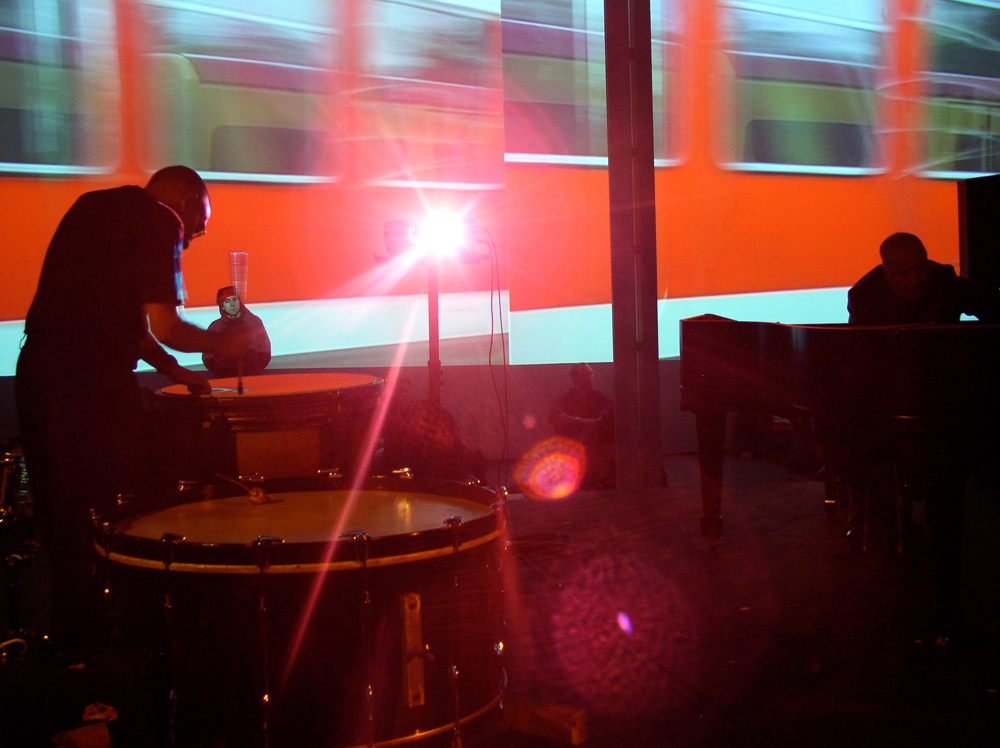
One of the most influential groups in improvised music, with the collective understanding that comes from listening keenly to each other for decades
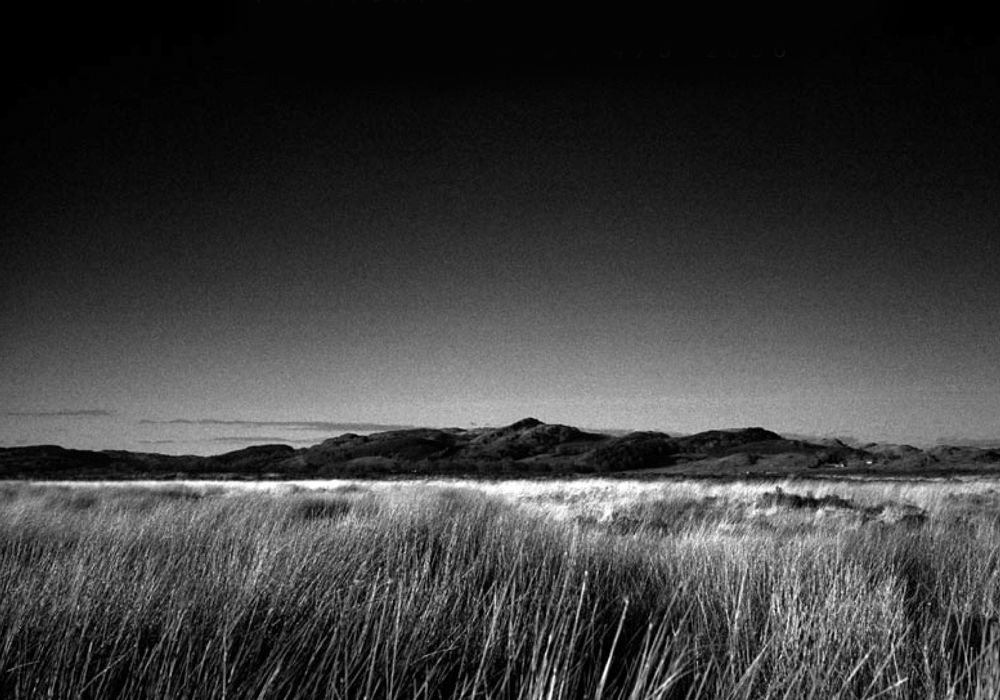
NVA asked Arika to curate and programme the sound aspects of their 2007 Half-Life production in Kilmartin Glen. Arika worked with Toshiya Tsunoda, Lee Patterson, Rhodri Davies and Angharad Davies.
The ongoing development of [b]reach, an abolitionist black queer retelling of Marge Piercy’s incredible feminist utopian novel Woman on the Edge of Time.
The Songspiels take on a mode of musical theatre developed by playwright Bertolt Brecht and composer Kurt Weill in the early twentieth century, presenting political and social concerns through the accessible and (often funny) form of song.
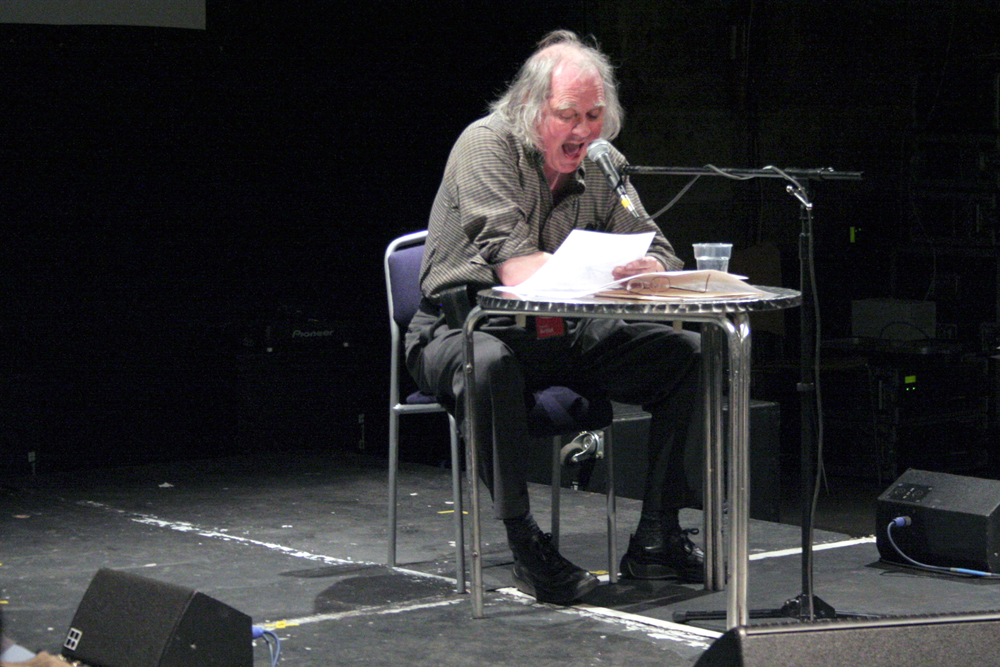
Leading language/ action/ sound poet performed his groundbreaking concrete poem, a dizzying mandala of text, symbols and rubber stamps; a kind of book as reading machine.
Profound mathematical ideas for romantics, to help us linger in the difference we share.
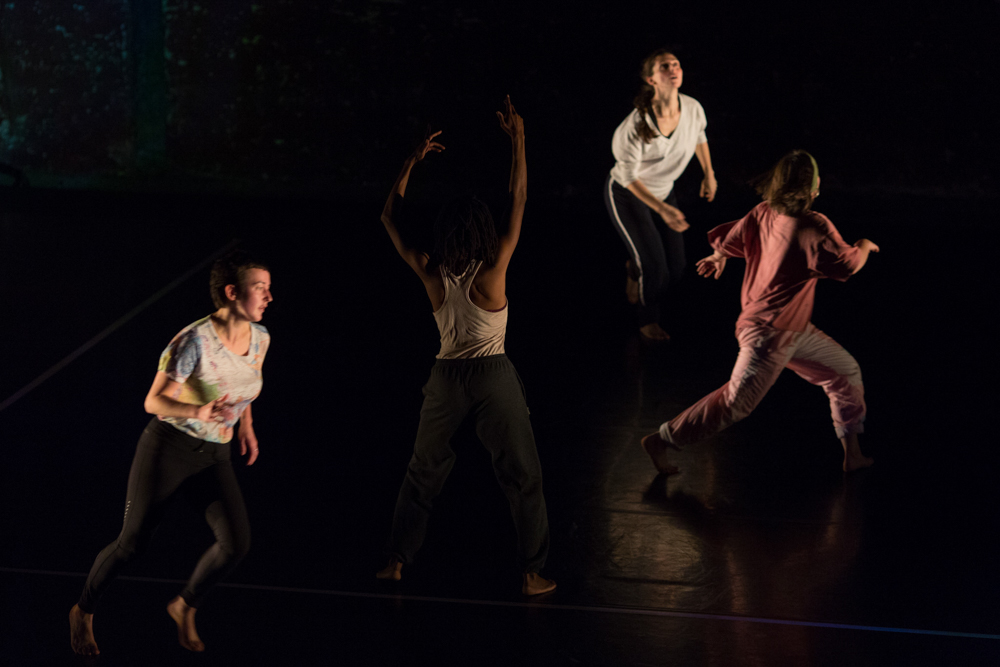
A somehow hyper-modern, ancient and folkloric lip-synced, made-up, fashioned performance.
Instead of the one-way monologue of normal performance, what would be the result of an actual collective dialogue? Where would it go?
Rather than asking the state for services, what kinds of change are made possible when we prioritise people supporting each other?