Tugnet Ice House
Akio Suzuki John Butcher
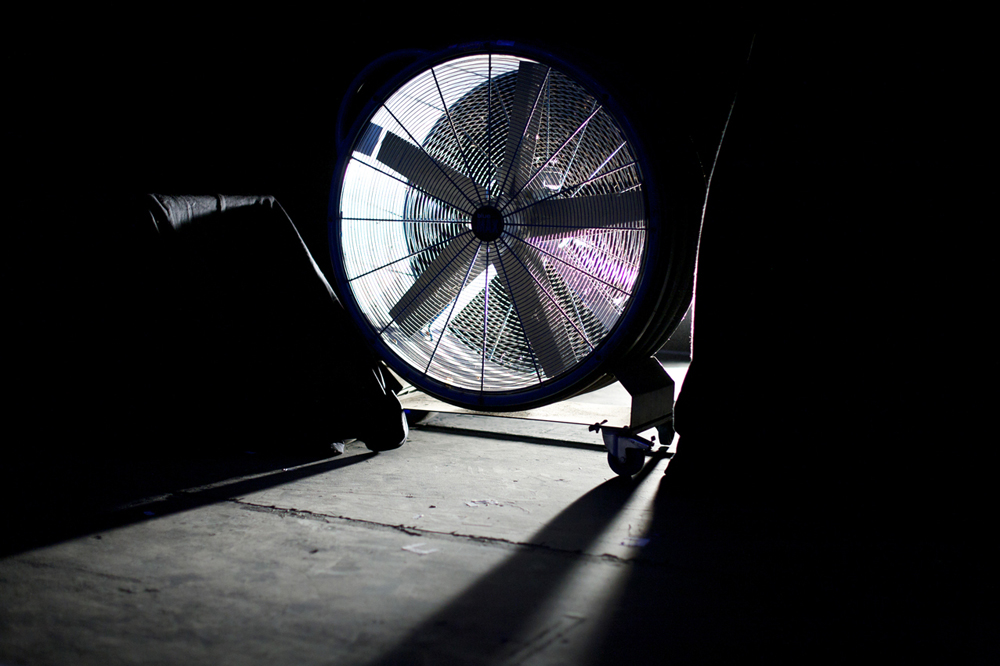
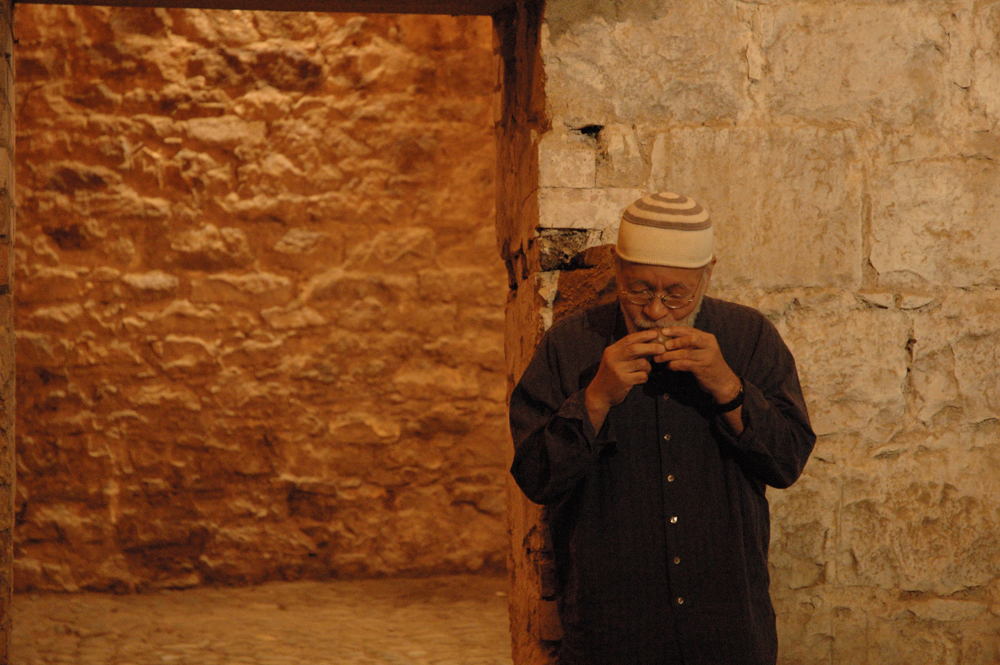
Akio Suzuki and John Butcher performing in a large multi chambered industrial ice house.
Arika have been creating events since 2001. The Archive is space to share the documentation of our work, over 600 events from the past 20 years. Browse the archive by event, artists and collections, explore using theme pairs, or use the index for a comprehensive overview.
Akio Suzuki and John Butcher performing in a large multi chambered industrial ice house.
Introducing and setting intentions for a crip grief transformation and witness altar. A place to sit and breathe, remember our dead, wash our hands and leave offerings to and for loved ones we’ve lost – and for ourselves.
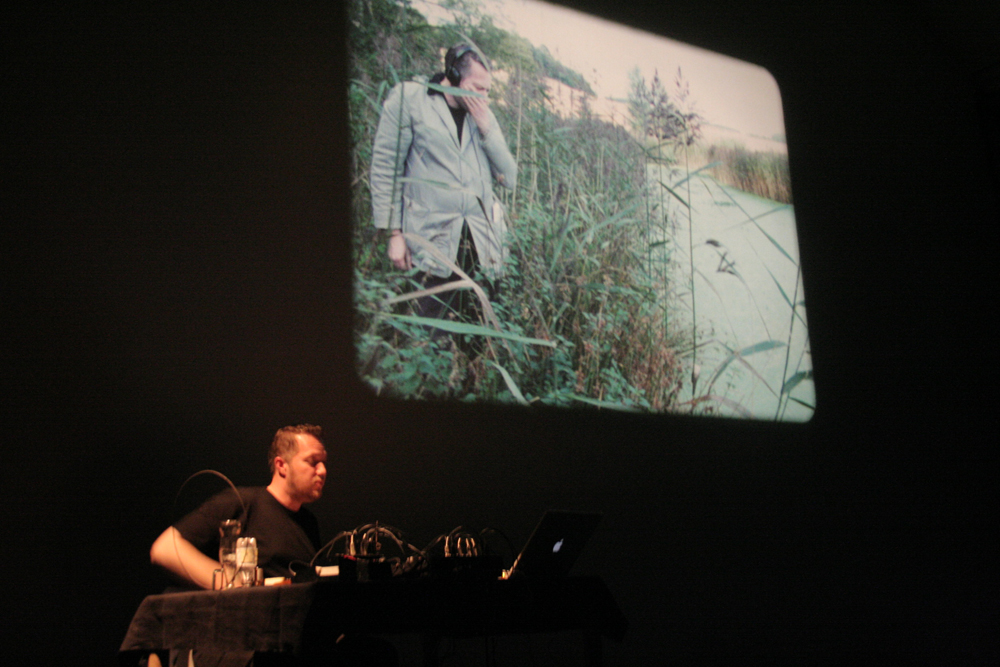
A delicate and detailed walk through the urban and rural landscape around Dundee; a poetic focus on the details found. A performance for 16mm projection and live amplified objects (maybe pine cones, maybe a coke bottle).
An audio/ video, lecture/ performance exploring the queer and companionly inter-activity of human-animal relations.
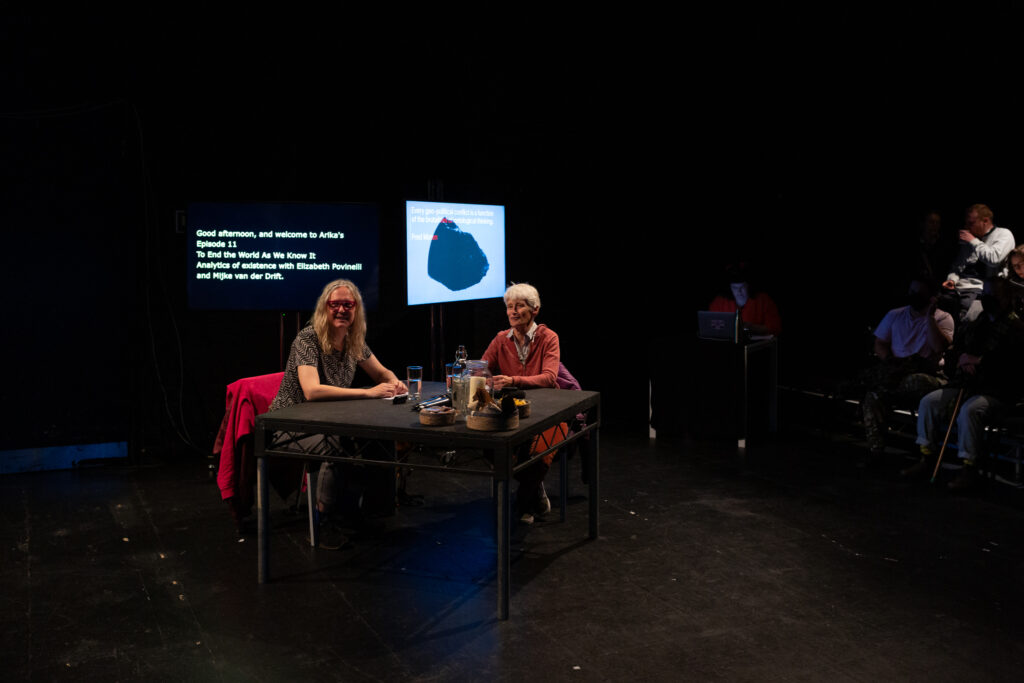
Elizabeth’s writing pulls apart toxic settler colonialism and the worldview used to justify it; working towards an alternative distribution of powers, so that ways of being otherwise can endure.
This session focuses in on the defiant mutual aid practices of early and DIY feminist movements in the UK, that attempted to shift and radicalise care and kinship away from the domain of the nuclear family.
Post consideration and post rationalisation… How do we think about experimental music and film after the performance?
Bleu Shut reveals, and allows us to enjoy, our gullibility within the pervasive absurdity of modern life.
Come for the crip ingenuity; stay for the smooth feels of what it is to be each other’s everything.
The second in a series of workshops for workers and non-workers who care. What does the sharing of vulnerability entail? Can such a sharing inform progressive social relations?
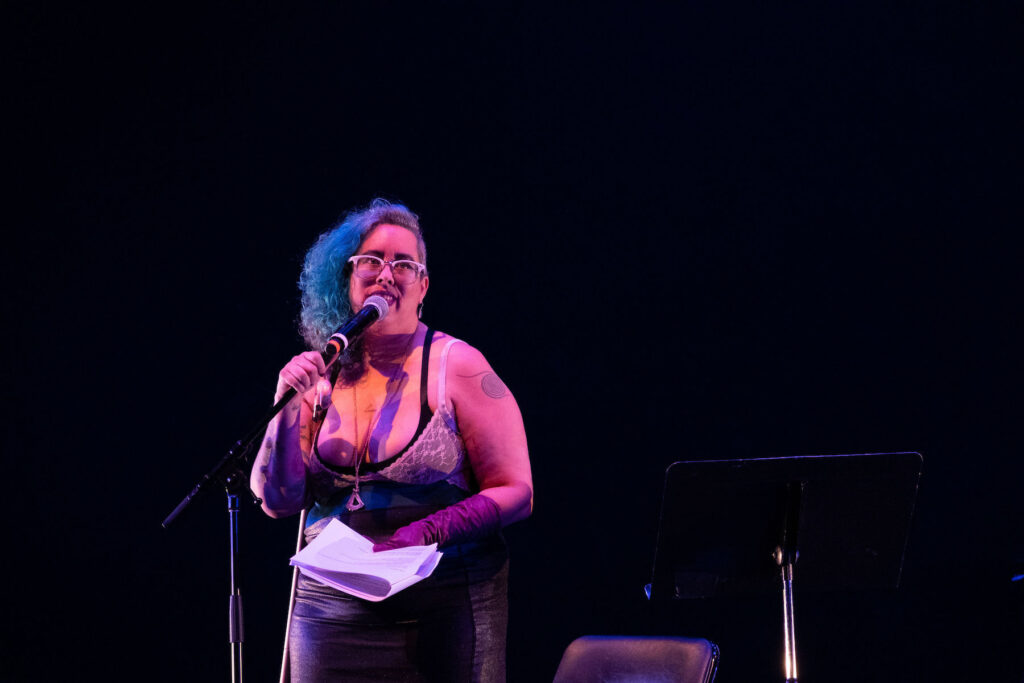
Transfeminist and revolutionary poetry, voice and timbral abstraction: a sounding and spatialising of reparative sonic and somatic practices that can speak back to violent histories of expropriation and ecocide.
How do you know what you want? Should freedom be doing what you ought, not doing what you want? How might a philosopher and artist turn this thinking into an enabling condition in the context of noise and improvisation?