Why improvised music is so boring
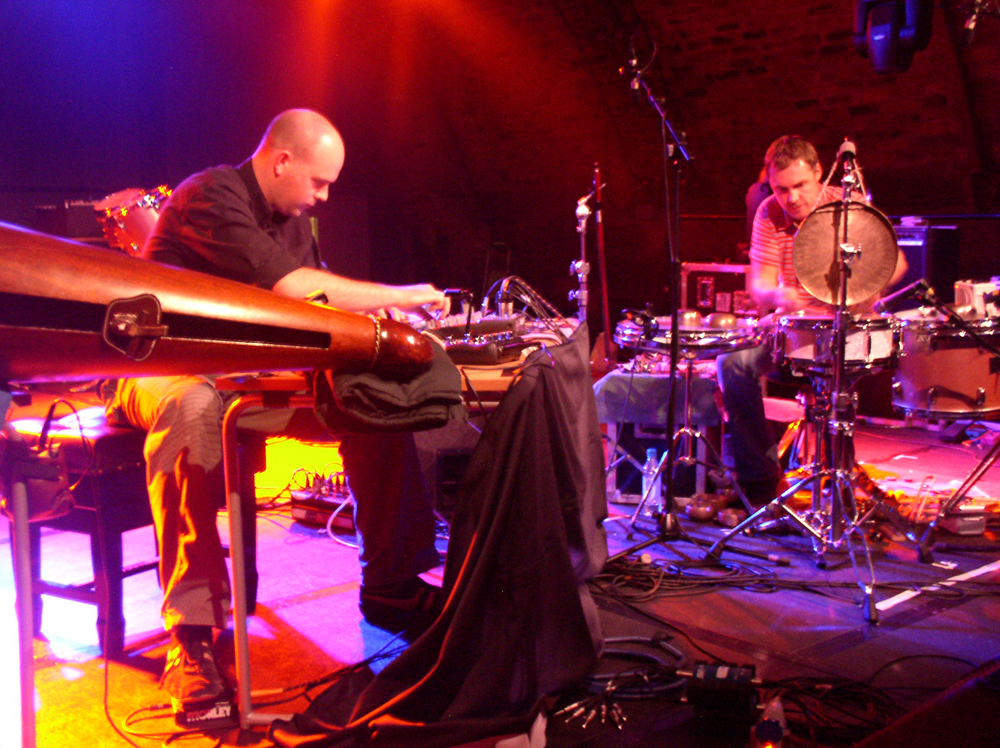
Diego Chamy Jean-Luc Guionnet Seijiro Murayama
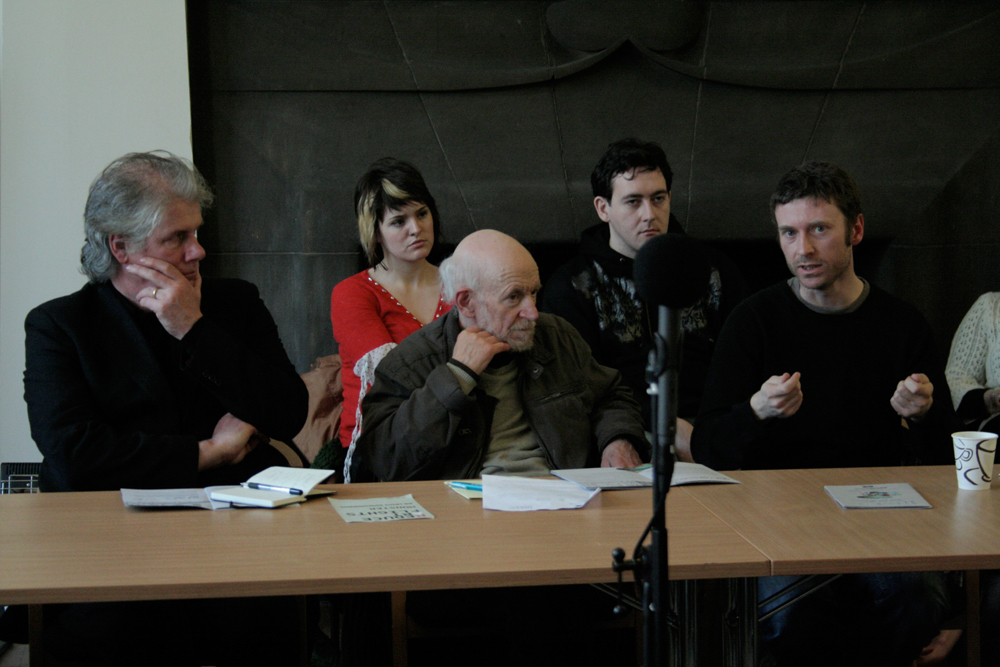
An improvisation that may or may not involve (typical) improvisation.
Arika have been creating events since 2001. The Archive is space to share the documentation of our work, over 600 events from the past 20 years. Browse the archive by event, artists and collections, explore using theme pairs, or use the index for a comprehensive overview.
An improvisation that may or may not involve (typical) improvisation.
A poetic multi-screen performance about “the inadequacy of the arbitrary passing moment and the impossibility of permanence”. About time and change.
Haino exceeds expectation with a 4 hour solo performance on a collection of more than forty instruments from all over the world.
An audio and video investigation of gender cults, Catholicism, hauntings and nuns’ use of audio devices…
Sadia Shirazi & Mezna Qato will discuss a series of scores that explore the texture and landscape of exile, resistance, and Muslim sociality. These instructional scores trouble the idea that art and activism are untouched by faith and faith is untouched by art and activism.
The weeks previous TLRS daily radio shows, after-hours conversations, radio booths and special guests reassembled as a live electroacoustic performance.
“Beginning where you and me ends, where we don’t so much come but are already here.” Join James and Nisha to talk about breath, erotics and flesh, about our social, poetic cosubstantiality.
Hartmut is going to talk a little about his work at large and the politics of how his films are constructed. And we’ll screen one of his best films: B-52.
What is the radical concept at the core of ‘rhythm’, expanded from simply musical or mathematical notions to encompass personal, social, collective rhythms?
When one calls a strike, who hears the call, who attunes and listens to it? How to listen to the call of a strike? What prevents one from hearing this call or stops one from listening to it?
Film and sound stripped of ‘content’ and experienced spatially, to be looked at not on the screen but in the space of the gallery
A Study Session focused on the thinking of Ailton Krenak – one of the great leaders of the Brazilian indigenous movement – led by curators and artists Amilcar Packer Arissana Pataxó.