Poetic Justice
Hollis Frampton
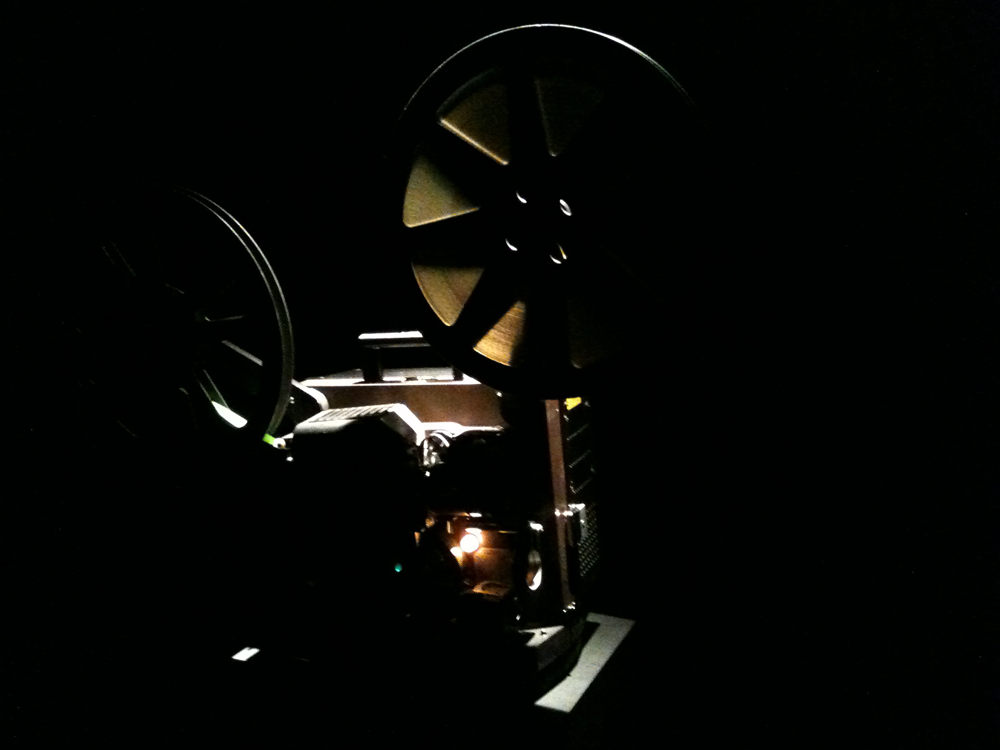
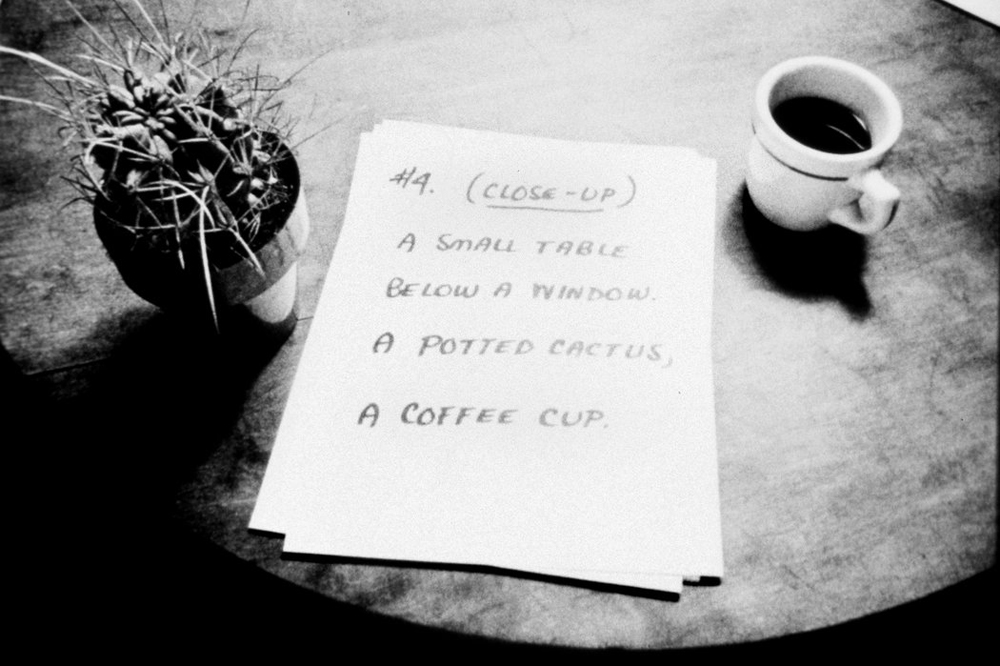
A cinema of the mind, a film to take place in the viewers’ imagination(s).
Arika have been creating events since 2001. The Archive is space to share the documentation of our work, over 600 events from the past 20 years. Browse the archive by event, artists and collections, explore using theme pairs, or use the index for a comprehensive overview.
A cinema of the mind, a film to take place in the viewers’ imagination(s).
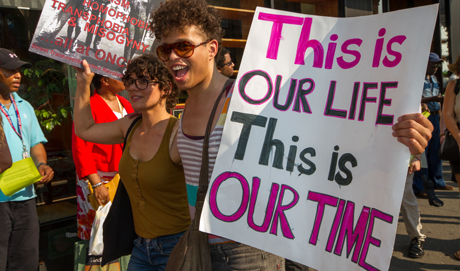
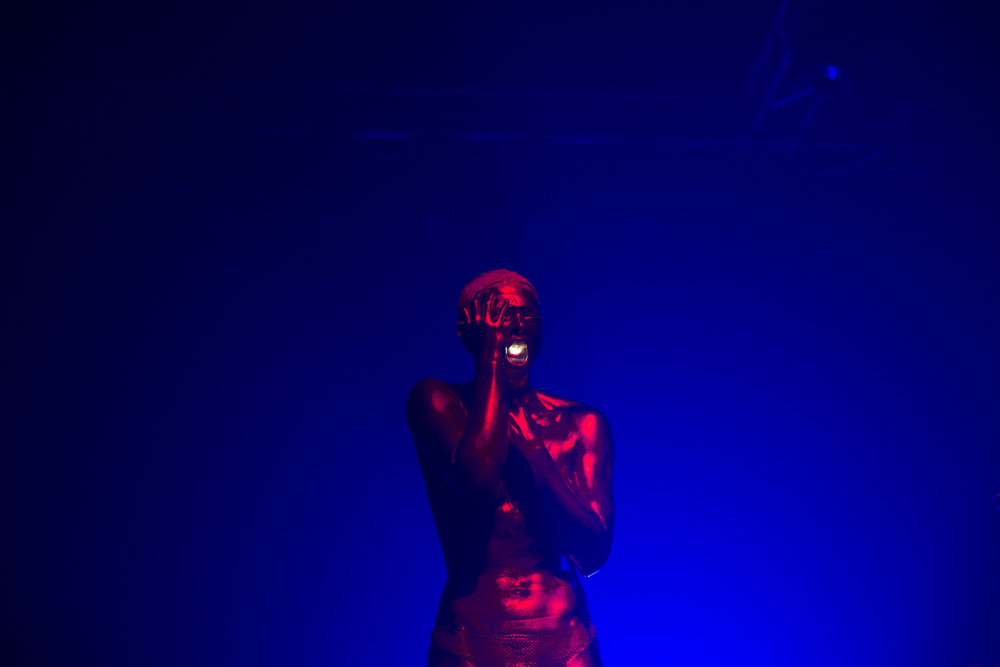
Criminal Queers visualises a radical trans/queer struggle against the prison industrial complex, working to abolish the multiple ways our hearts, genders, and desires are confined.
The second edition of the INSTAL festival broadened it’s scope to include performances from Francisco Lopez, Phil Niblock, Stefan Mathieu, Alva Noto, Ryoji Ikeda and John Wall.
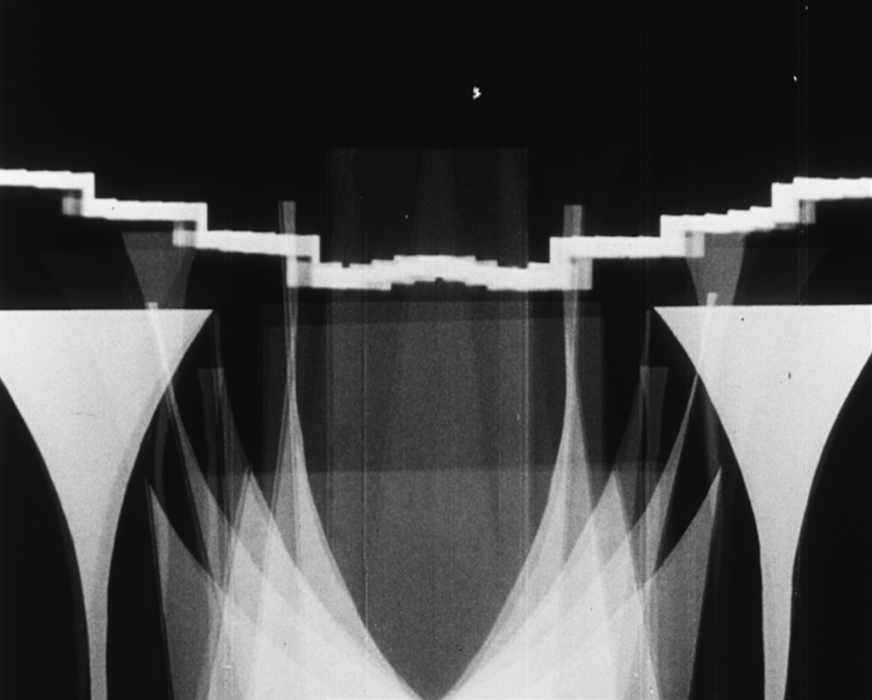
Includes: tamed TV snow, video feedback of racing particles, a remake of a polish photogram film destroyed in WWII, a visual and aural representation of Gestalt theory, hole-punched film and Guy Sherwin’s Cycles 3 double-projection.
A conversation about the movement for prison abolition and refusing the logic of race and sex that underpins the criminalisation and mass incarceration of communities.
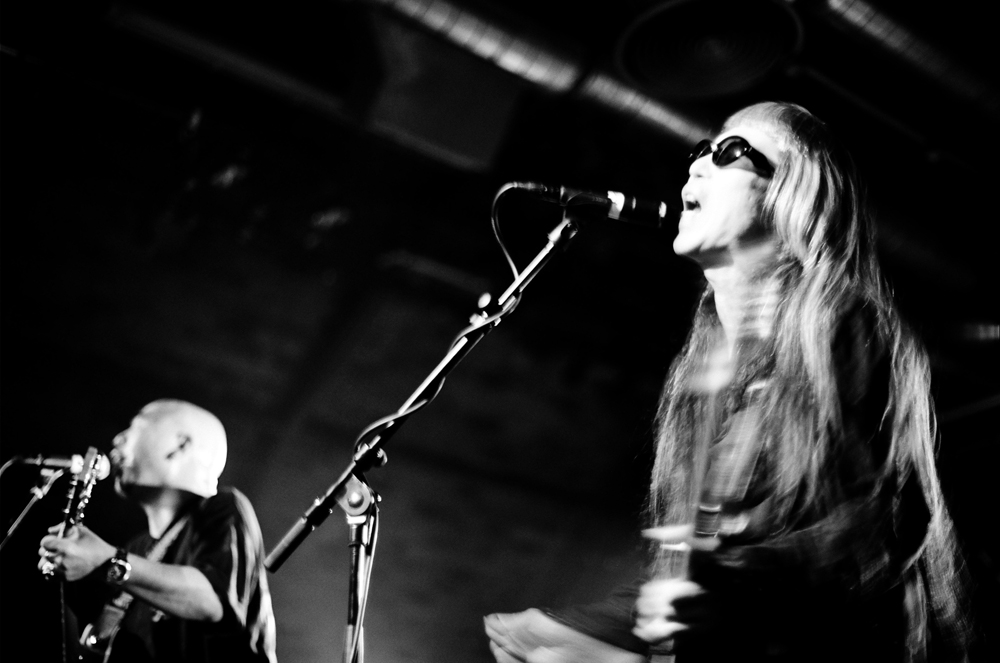
Vajra are a Japanese psychedelic rock supergroup, hewn from the collective consciousness of Fushitsusha’s Keiji Haino, folk radical Kan Mikami and percussionist Toshiaki Ishitsuka.
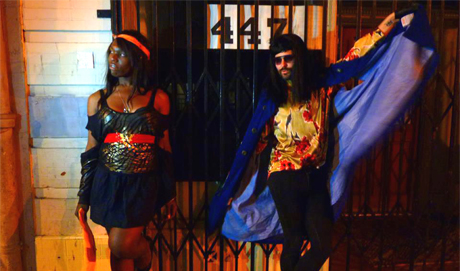
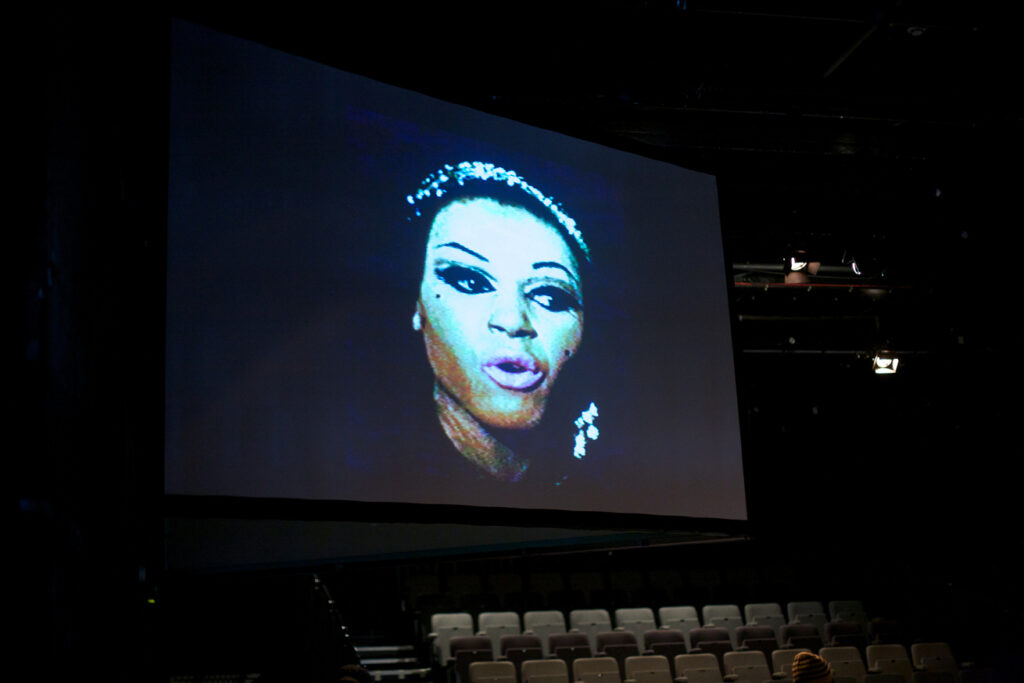
A historical narrative of the black and Latino/a transgender, bisexual, lesbian, and gay House and Ballroom Scene in relation to race, gender, sexuality and class oppressions.
All ticket income goes directly to We Will Rise – a group of migrants, refugees, asylum seekers and their allies who have come together to End Immigration Detention in the UK.
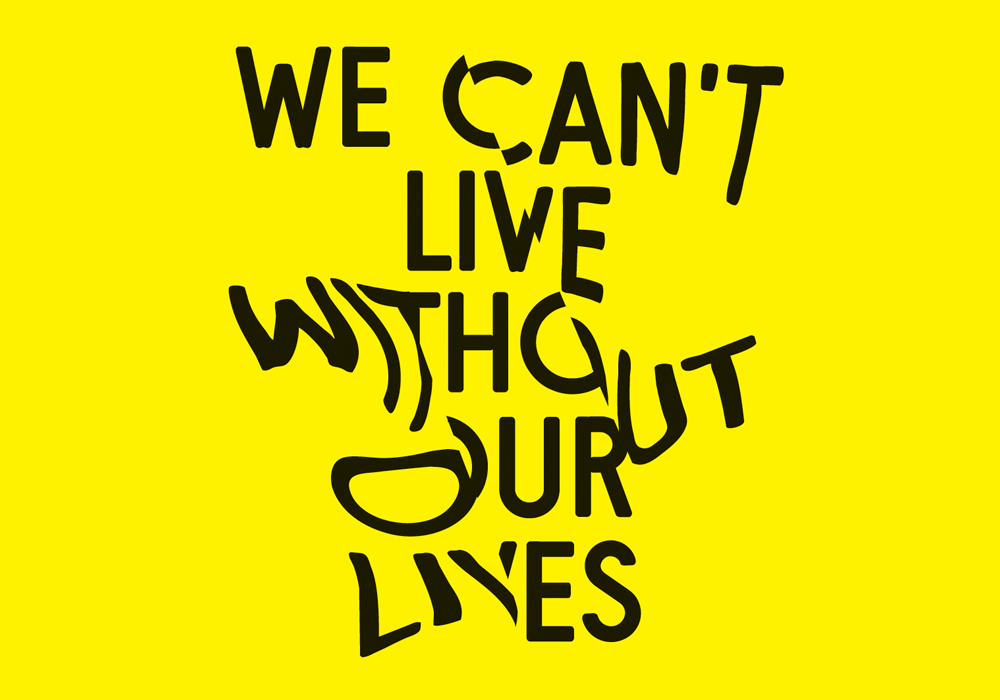
In a moment of social exhaustion, we want to ask how we might care for each other differently. We Can’t Live Without Our Lives is a 5-day exploration of care as a form of struggle and resistance, with communities who embody it.
A film installation as both allegory and investigation of The Rockridge Institute and their research into ‘framing’ and the use of metaphor within political discourse.
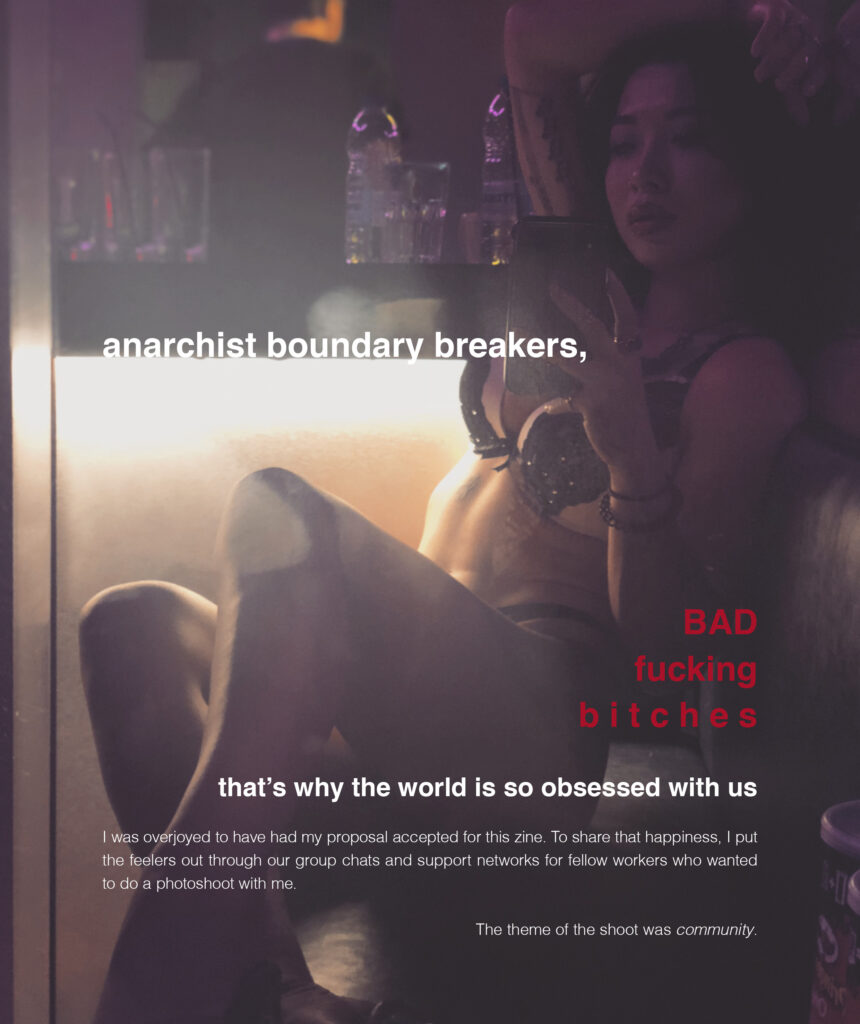
The Truth and Lies book project emerges as part of a rising tide of sex worker art and organised struggle to end criminalisation and stigmatisation of sex work.
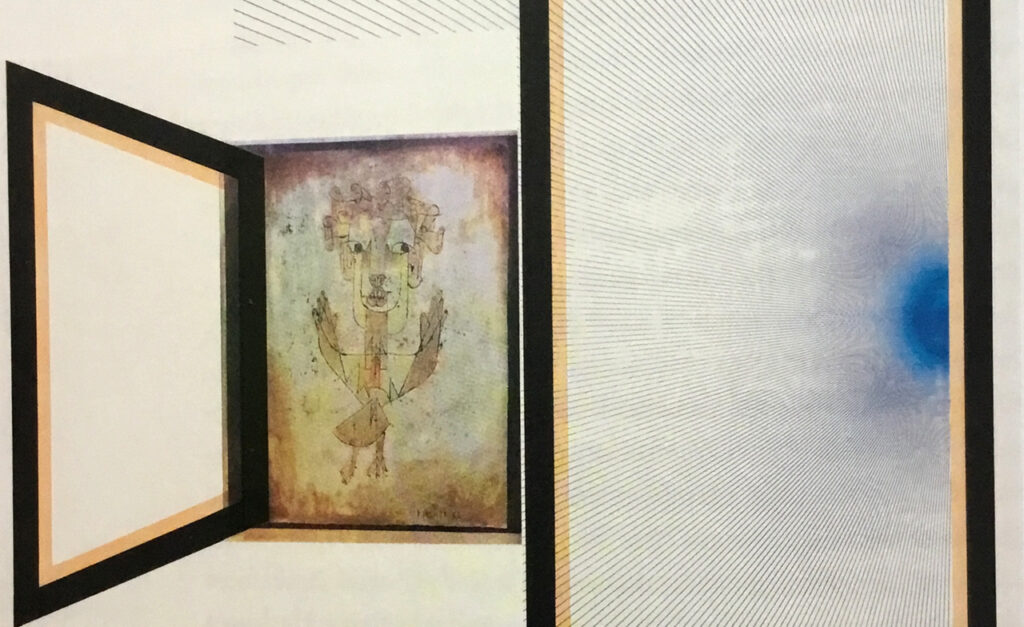
How do poetry and maths stitch together pictures of our fractured situation from its wreckage and relics, from the debris of hope and the well of residues that make us what we are?