Talk Hosted by Byron Coley
Byron Coley Daniel Carter Sabir Mateen
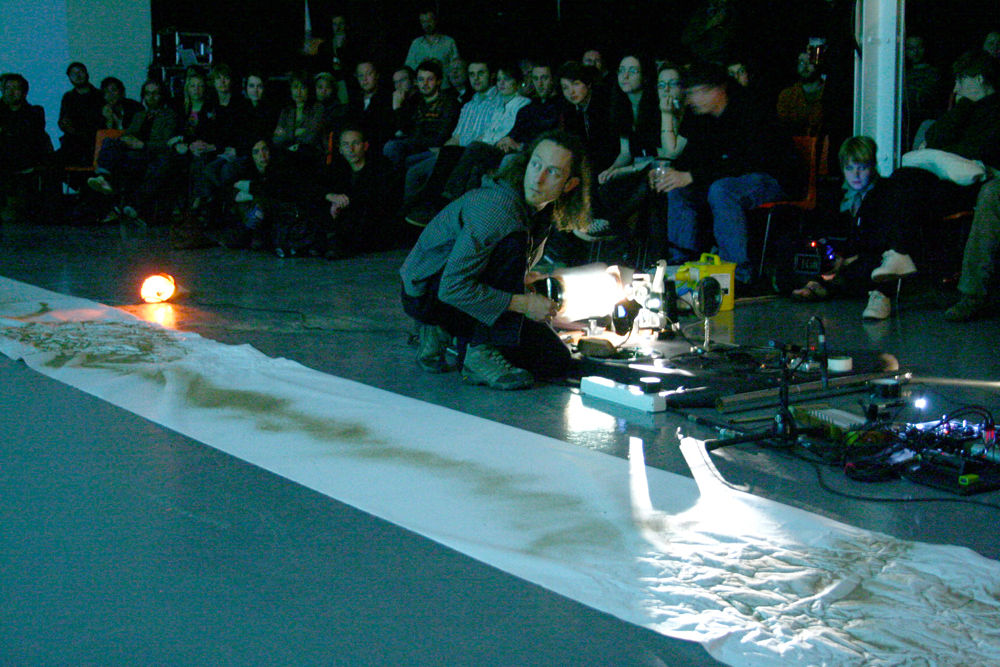
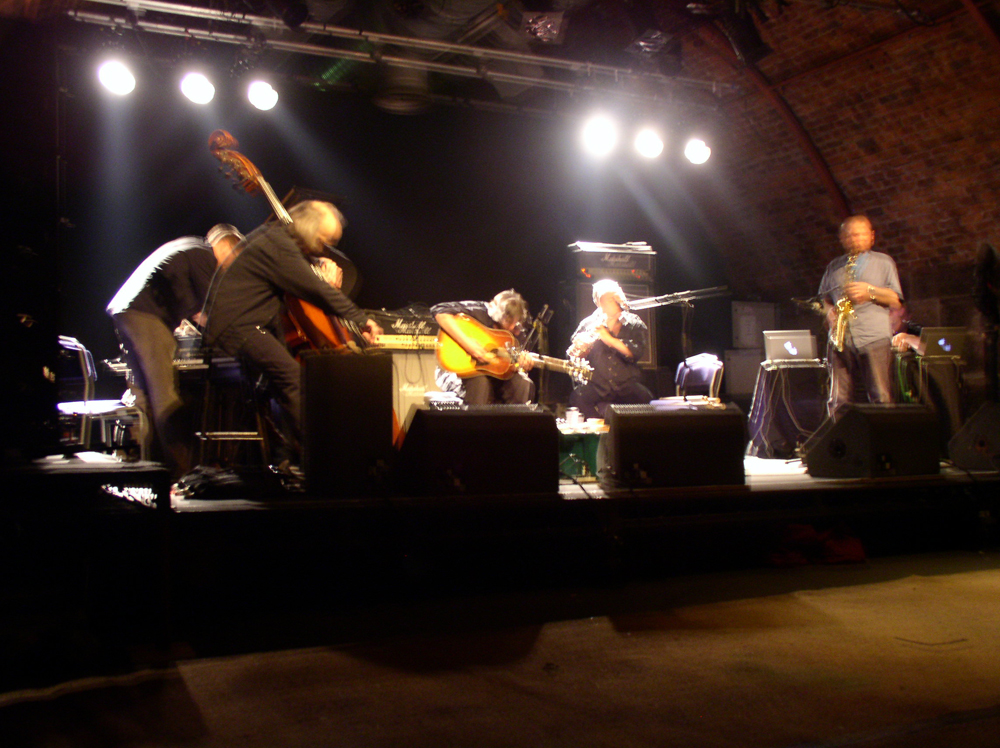
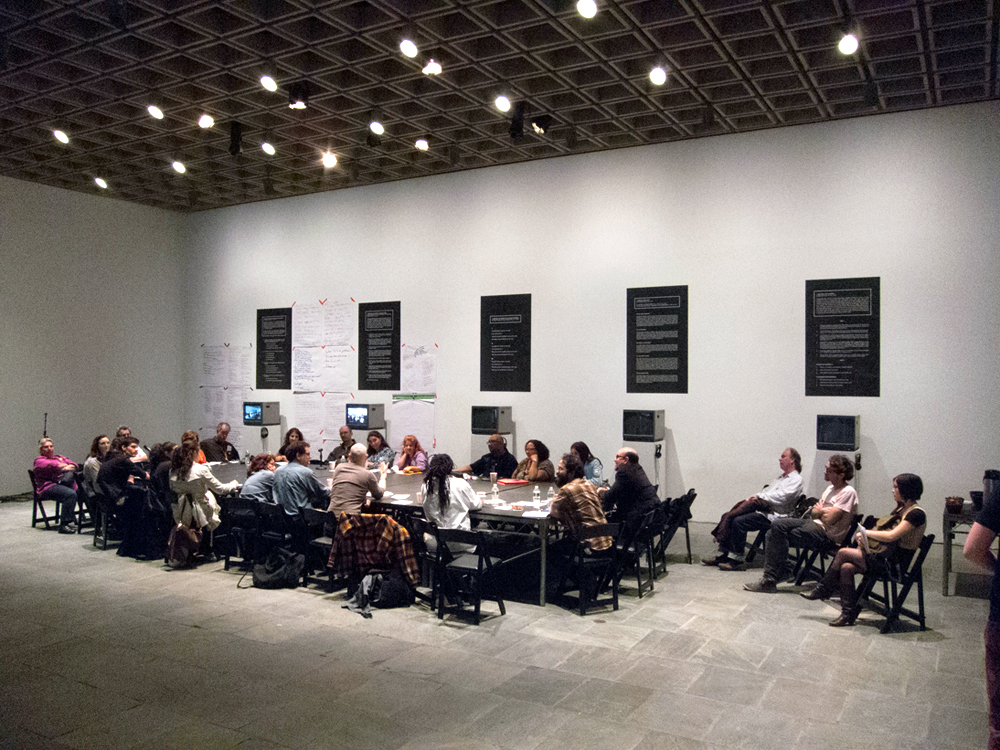
Free-jazz chat with Sabir Mateen, Daniel Cater, Andrew Barker – hosted by Byron Coley.
Arika have been creating events since 2001. The Archive is space to share the documentation of our work, over 600 events from the past 20 years. Browse the archive by event, artists and collections, explore using theme pairs, or use the index for a comprehensive overview.
Free-jazz chat with Sabir Mateen, Daniel Cater, Andrew Barker – hosted by Byron Coley.
What might Carter and Parker’s collaboration tell us about our own performances of responsibility and liberty, whether individual, social or musical?
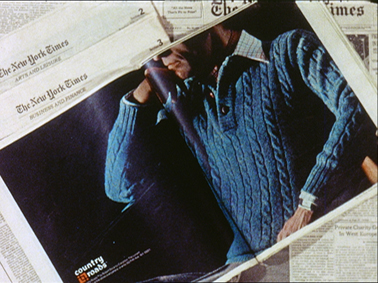
Argument is a provocative, multi-layered film essay, a trenchant analysis of the media and remains a critically relevant and critically inflammatory tract.
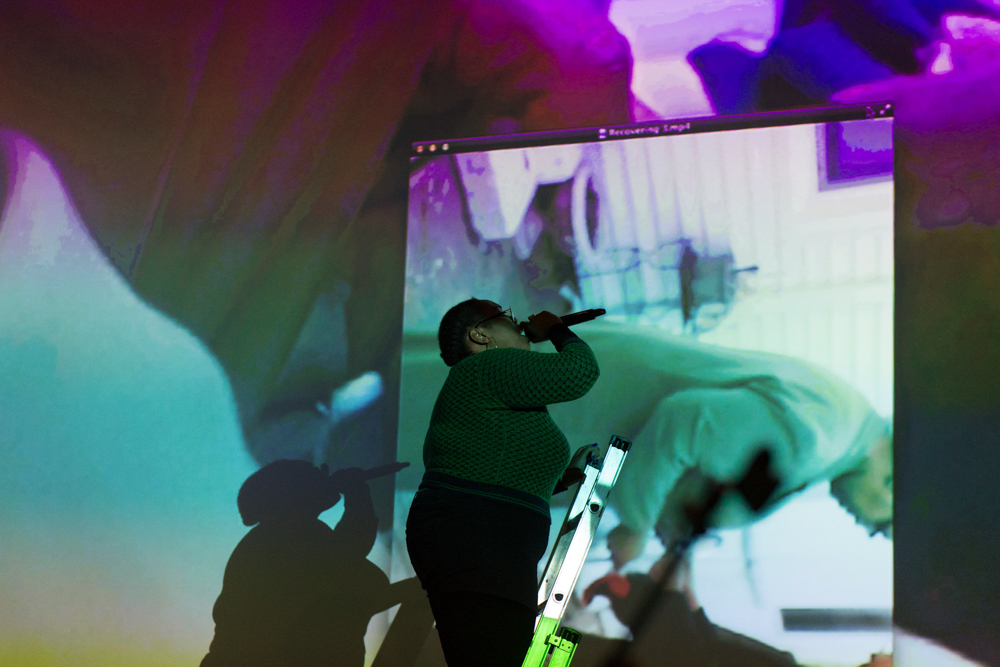
Can a collective performance of NourbeSe’s poem of black life as it exceeds containment enact alternative forms of selfhood that emerge in and out of African diasporic experience?
A film performance about Guy then, and Guy now, as a metaphor for the passing of time, which of course all film is inherently about.
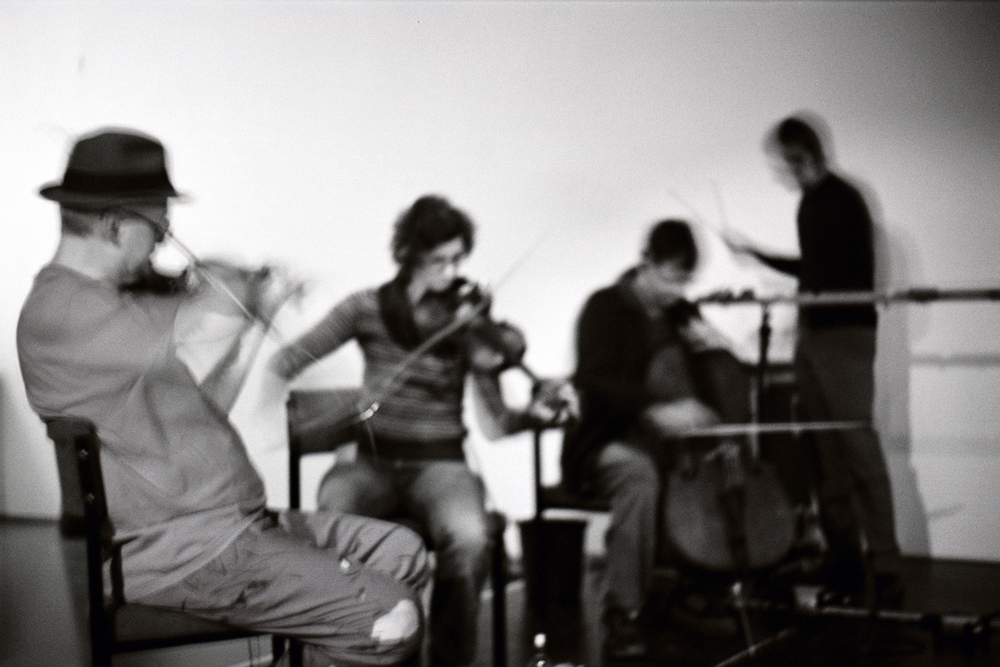
One of the most influential groups in improvised music, with the collective understanding that comes from listening keenly to each other for decades
Paper Piece: Secrets is a performance for and with the whole audience, using paper, text, secrets, being in the crowd
The first performative part in a game of chance and endurance as actor Tam Dean Burn constantly broadcasts for 24hrs.
Stripping back the domesticated ‘meaning’ of (everyday, mundane, kitchen) tools to reveal “a lexicon of rage and frustration.” Plus an allegorical use of mundane, everyday things as an examination of how meaning is constructed in film.
N30 is a massive, dynamic, immersive multi-channel presentation of front-line field recordings from the protest against the WTO in Seattle
60 cycle hums, jagged static cracklings, and clipped electron pinpricks, mutating them into sublime, post-techno grooves
A double bill of Morgan Fisher films that ask what can be achieved by a simple structural method of commenting on scraps of 35mm film, re-shot on 16mm film and what happens to meaning (if anything) when ‘insert shots’ are relieved of their original duty of providing crucial plot development for a variety of other movies?