Michiyo Yagi
Michiyo Yagi
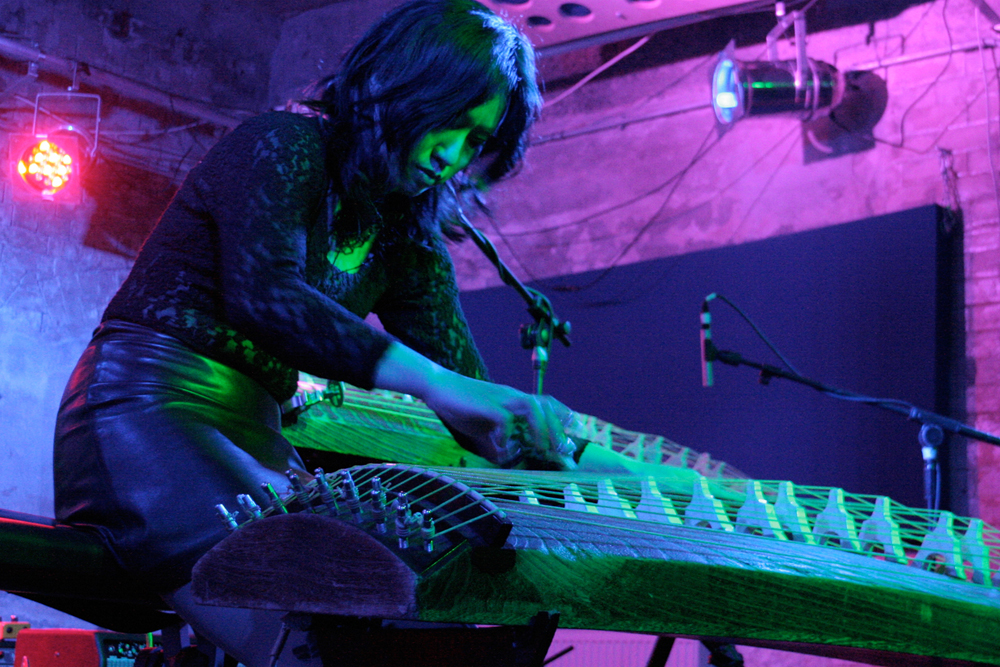
Sometimes delicate, sometimes harsh and jarring, Yagi’s koto solos are as much inspired by Nancarrow or Cage as they are traditional.
Arika have been creating events since 2001. The Archive is space to share the documentation of our work, over 600 events from the past 20 years. Browse the archive by event, artists and collections, explore using theme pairs, or use the index for a comprehensive overview.
Sometimes delicate, sometimes harsh and jarring, Yagi’s koto solos are as much inspired by Nancarrow or Cage as they are traditional.
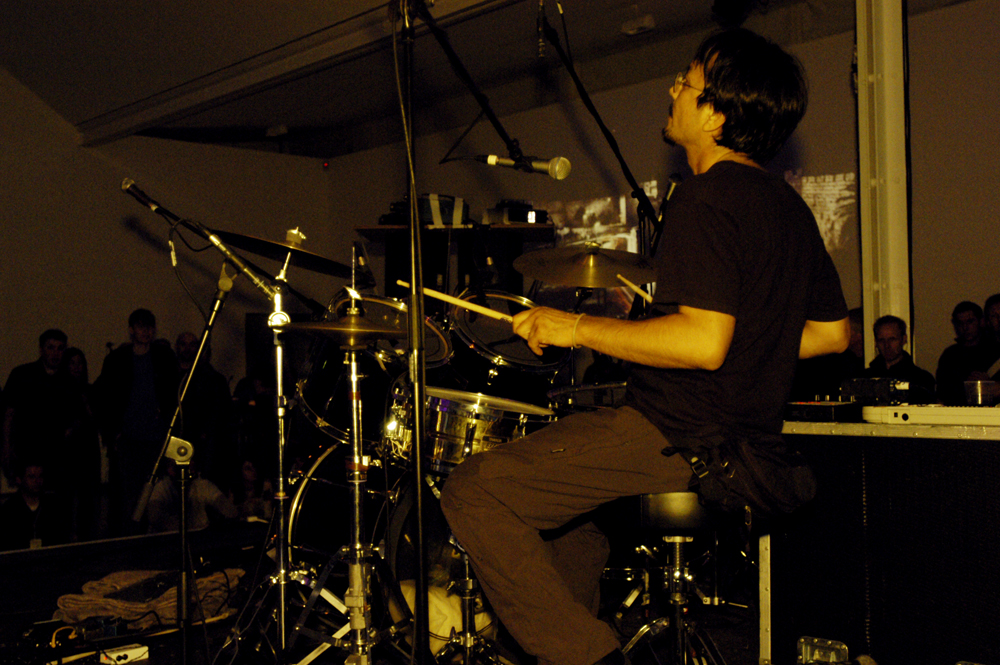
Giants of the Japanese avant-rock scene Ruins are a hardcore prog rock bass + drums duo led by drummer extraordinaire Tatsuya Yoshida and joined in Dundee by Sasaki Hisashi.
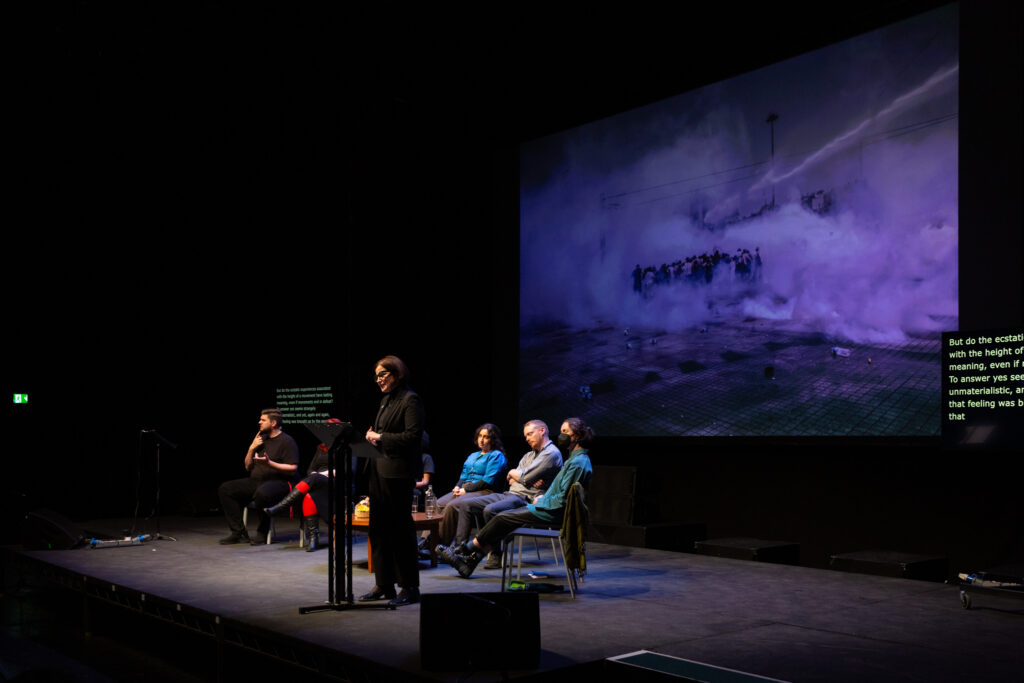
Four perspectives from people involved in different anti-capitalist and anti-racist struggles, considering how ideas of ‘ending’ have shaped their political thinking and praxis.
In rethinking the body, the law, the state, gender, race, violence, care and empathy, how we might give humanness a different future?
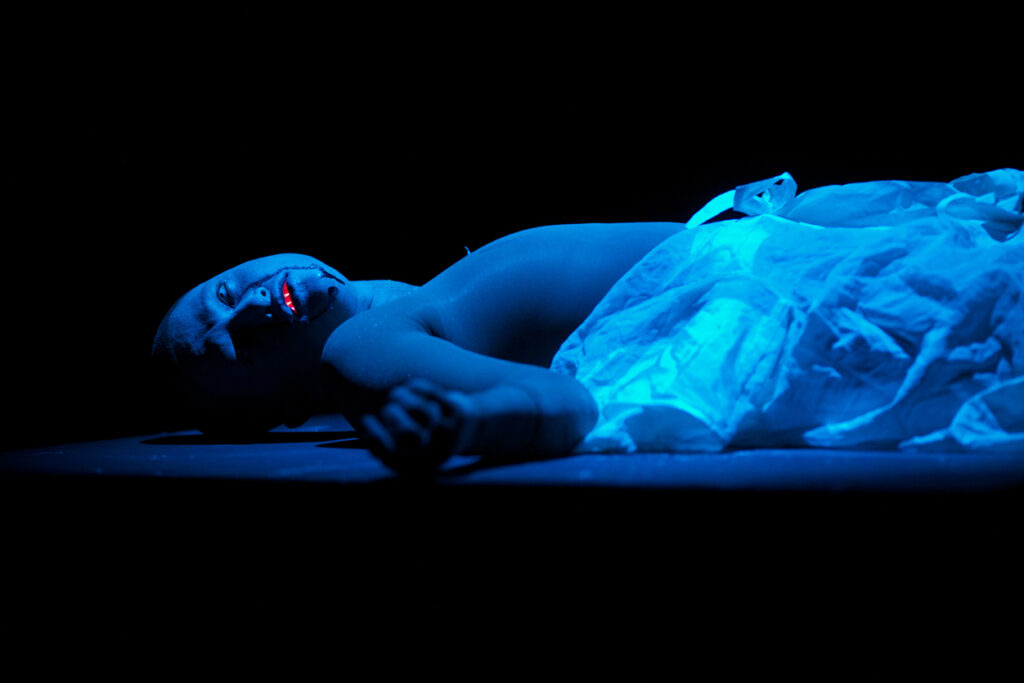
The mutability of the body and the mobility of identity: queered pop culture, drag, lip-sync and performance.
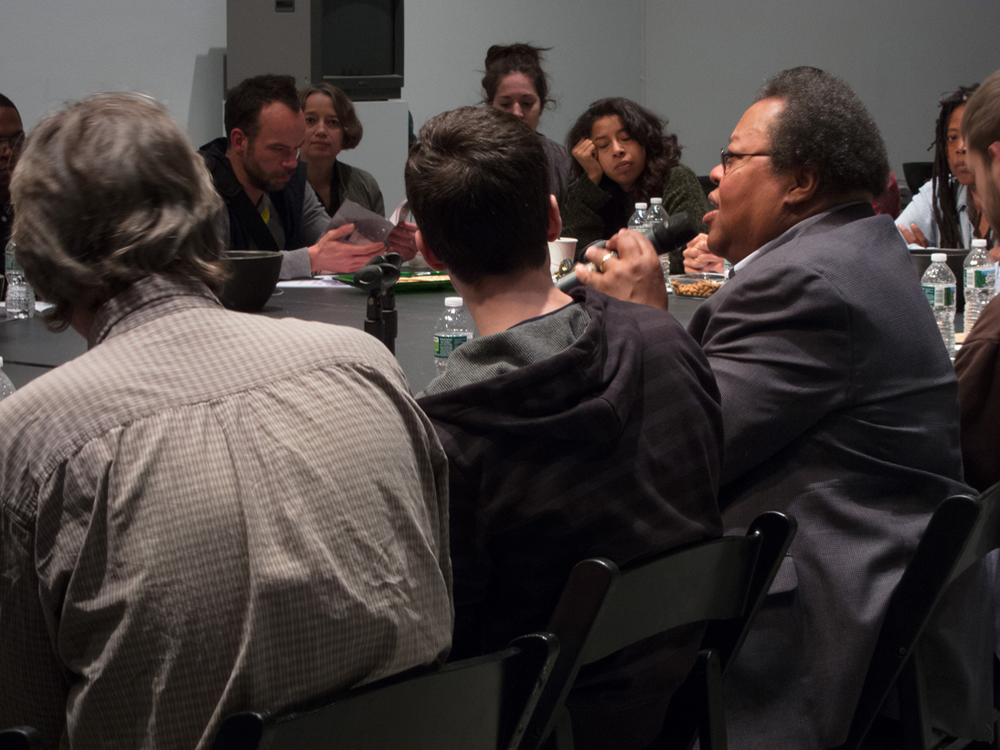
For day one of Ultra-red’s project, the investigation will take up protocols for listening to the sound of freedom composed and facilitated by George E. Lewis.
A short chat about what we (Arika) might be trying to do with our program for the Biennial.
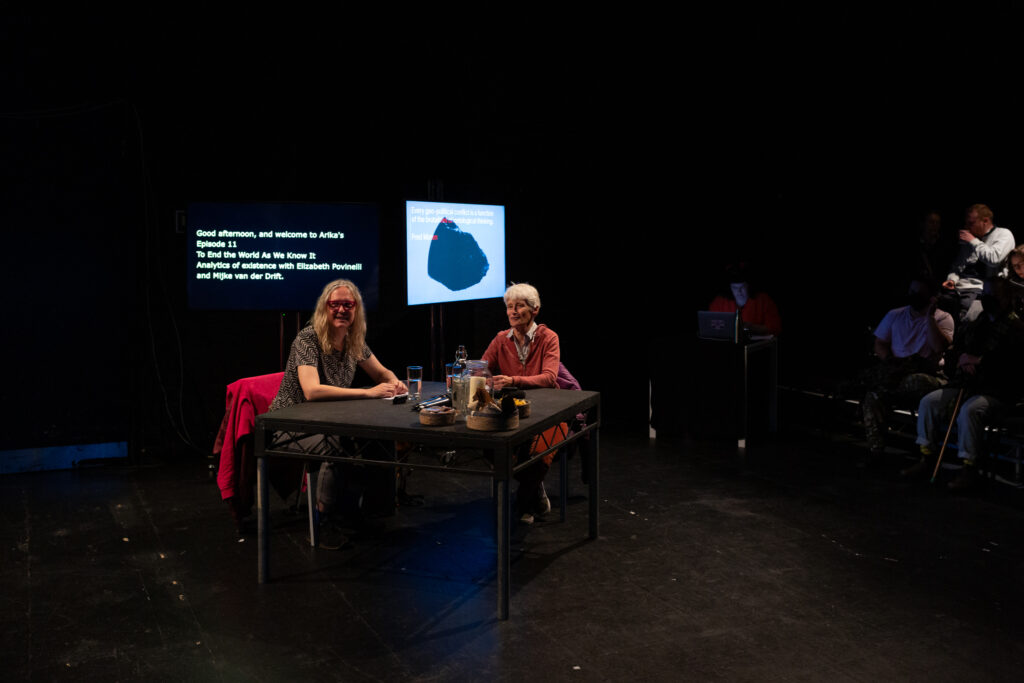
Elizabeth’s writing pulls apart toxic settler colonialism and the worldview used to justify it; working towards an alternative distribution of powers, so that ways of being otherwise can endure.
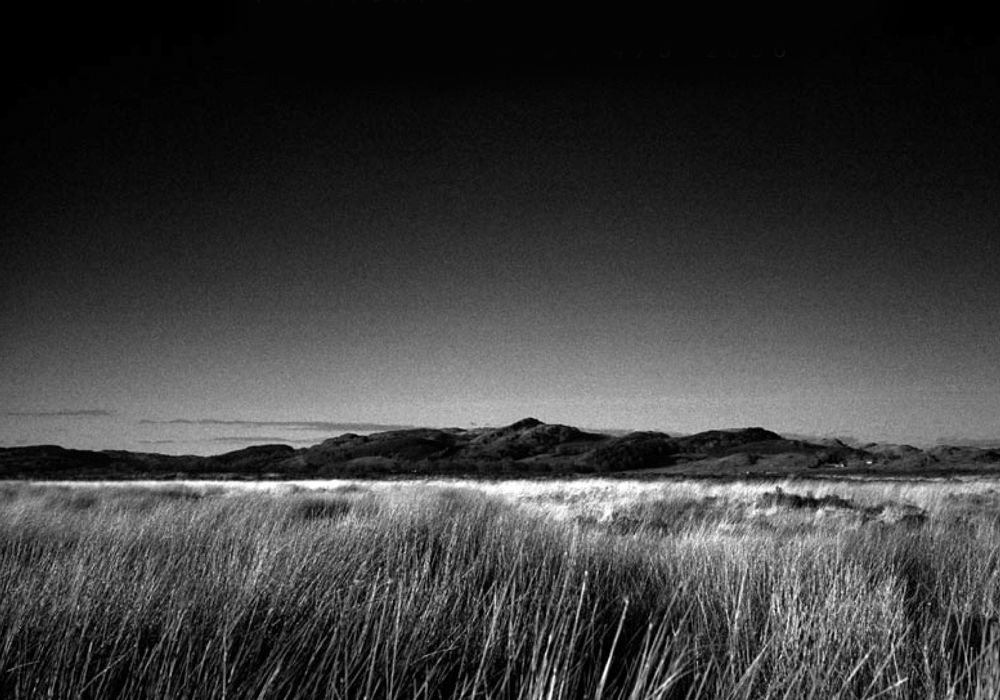
NVA asked Arika to curate and programme the sound aspects of their 2007 Half-Life production in Kilmartin Glen. Arika worked with Toshiya Tsunoda, Lee Patterson, Rhodri Davies and Angharad Davies.
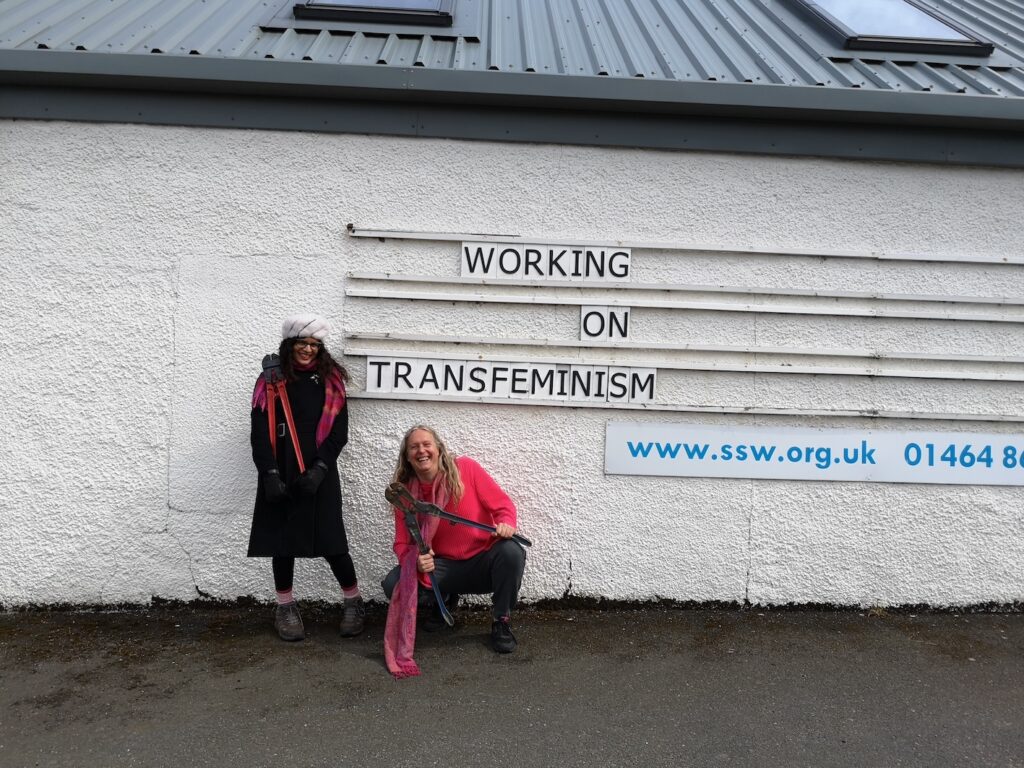
Nat Raha and Mijke van der Drift undertake two intensive writing residencies at Scottish Sculpture Workshop in Lumsden and Hospitalfield in Arbroath.
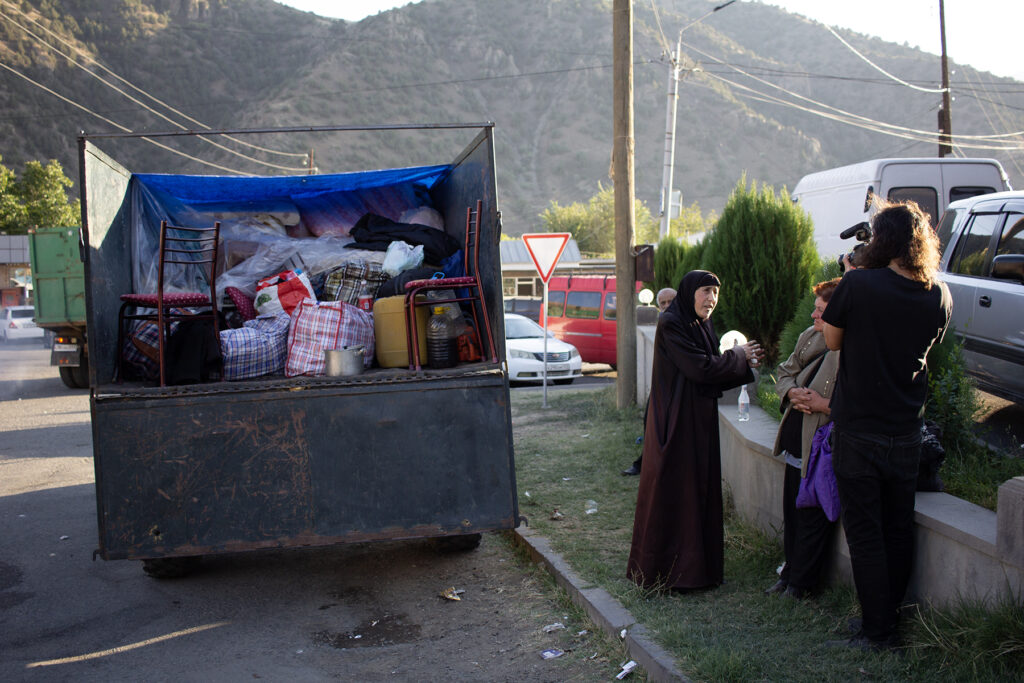
An improvised film about our worlds at the brink, on the edge, in front of a crisis. To stand on the side of life, by seeing the resistance to genocide in Palestine as a turning point to overcome.
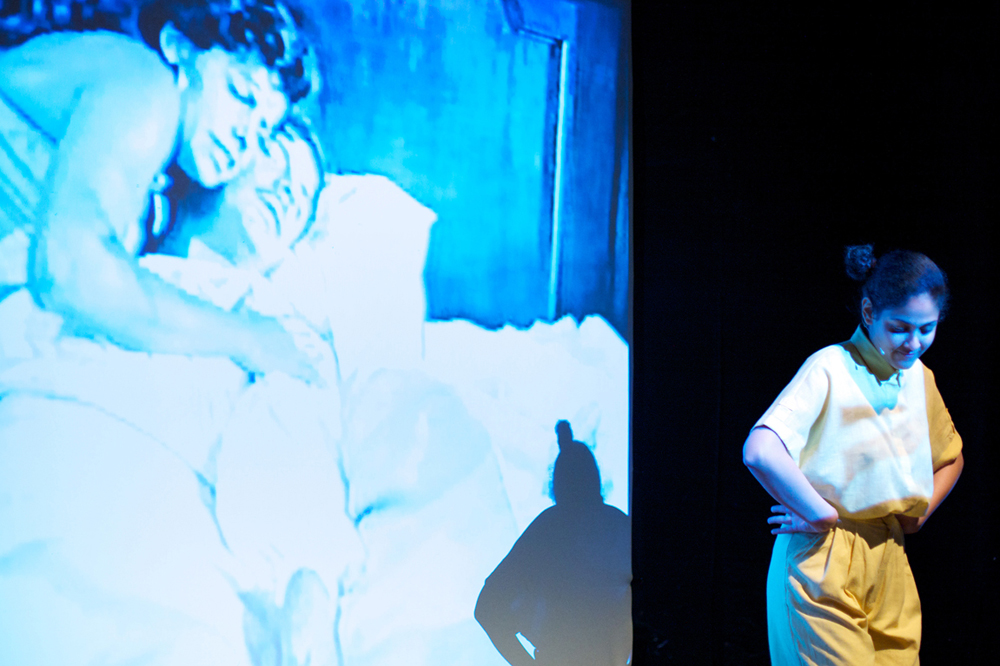
A performed film lecture exploring how the ‘Rumberas’ of Caribbean cinema of the 40’s and 50’s subverted demeaning images of themselves through dance, sound and a sociality that insisted on blackness as being a cultural performance, not simply due to skin colour.