Poetic Justice
Hollis Frampton
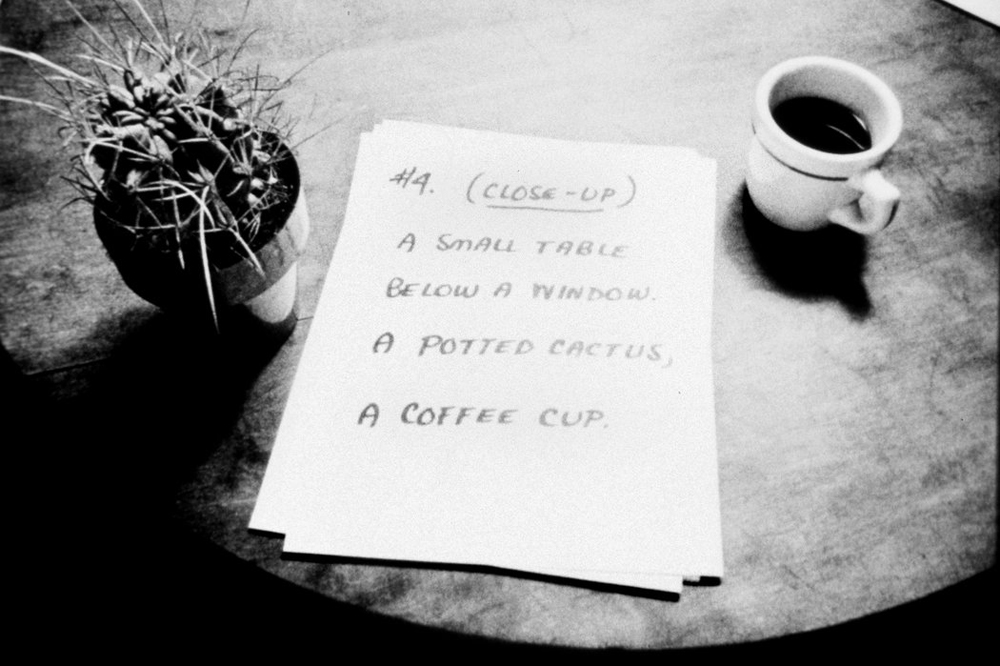
A cinema of the mind, a film to take place in the viewers’ imagination(s).
Arika have been creating events since 2001. The Archive is space to share the documentation of our work, over 600 events from the past 20 years. Browse the archive by event, artists and collections, explore using theme pairs, or use the index for a comprehensive overview.
A cinema of the mind, a film to take place in the viewers’ imagination(s).
Nothing if not repetitive, film is founded on the incremental succession of minute difference. But how does repetition of the same play out, and is it a tool to comment on the standardising repetition of the mass media?
A socio-poetic reading on wayward communities – The wayward create upheavals, incite tumult. They come and go as they please; they are fugitive; they are in open rebellion against society.
Do almost nothing: re-present (unaltered and arranged by chance) silent family home movies handed down to Flo, (Ken’s wife) and follow them with a “teach yourself Yiddish” cassette tape.
Ex-Decaer Pinga and CKDH rodeo queens; regular ladynoise hoedown gets gatecrashed by sonic chunder-huffing remedial clatter boys.
Amid the blur of erotics, the jangle of poetics, and the fetishizing of sickness and disability, the heat of Panteha’s performance and sculpture freezes all.
A meditation on how all of us perform — sometimes reinforcing, sometimes subverting — the shifting categories of gender, sexuality and race.
Can we use sound, repetition and difference to personally and collectively engage with space, time and labour?
John Mullarkey sets in a wider context our understanding of Alain Badiou and Francois Laruelle, two of the most radical philosophers in Europe today.
A riot of 60’s psychedelia, magick, ritual and tight black leather, this programme highlights underground innovators who use and subvert pop music for their own experimental ends; and be warned, in Anger, there’s real darkness.
Formed as a means to realise William Bennett’s goal of “a sound that could bludgeon an audience into submission”
How do grassroots feminist organisations strategise relationships between mothers, parents, carers and their children based on respect and empowerment, in resistance to the practice of putting children in often the most uncaring of places – care.