Paragon Ensemble / David Fennessy
Paragon Ensemble
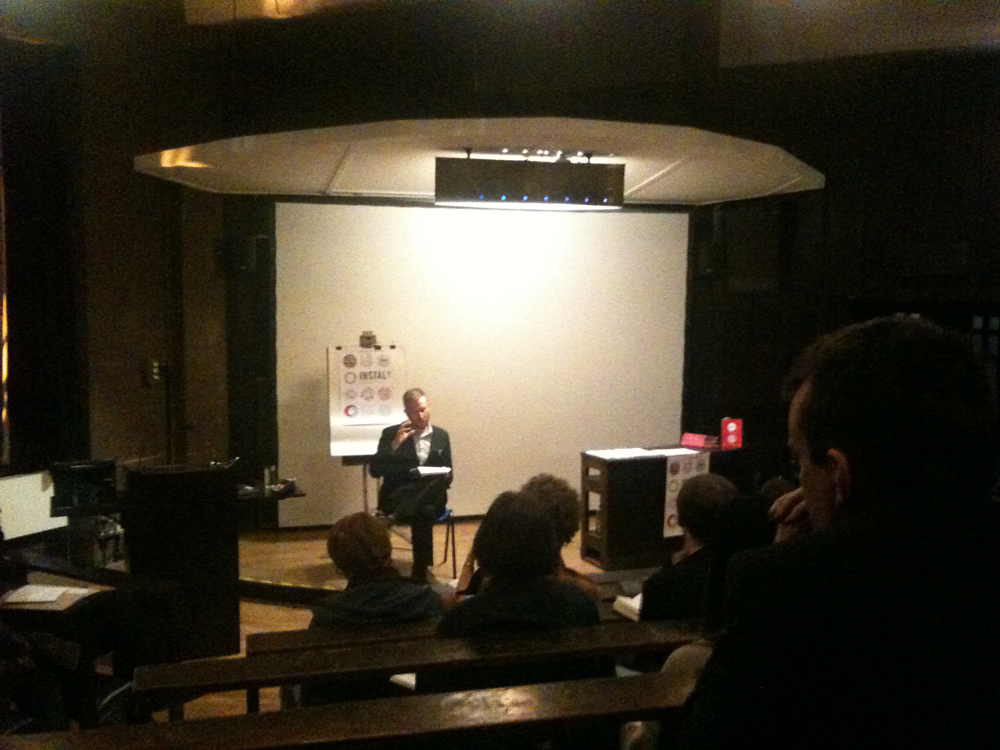
The Scottish based Paragon Ensemble has commissioned David Fennessy to compose music for Instal, which will be performed during the evening.
Arika have been creating events since 2001. The Archive is space to share the documentation of our work, over 600 events from the past 20 years. Browse the archive by event, artists and collections, explore using theme pairs, or use the index for a comprehensive overview.
The Scottish based Paragon Ensemble has commissioned David Fennessy to compose music for Instal, which will be performed during the evening.
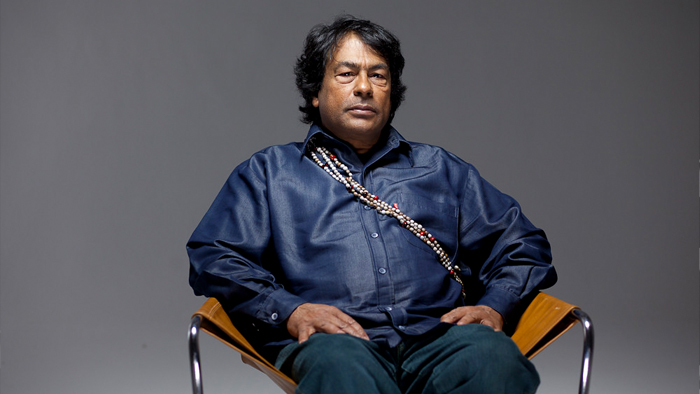
A recorded a conversation that grounds the Episode, exploring Ailton Krenak’s thinking and distinct poetics of life; as it work against capitalism and fascism, as a denunciation of political alliances, and maybe even of ‘politics’.
Smith/Stewart set up allegorical situations over which they often have little to no control, but which instigate explorations of dependence and trust, the body, sex and death.
Pitching Fahey inspired, eastern-infused folk vibrations, sad elliptical drones and oracle chants into one kaleidoscopic sound.
A dance party love letter to our community, expressing the joy of relation in the abstract and through actual physical proximity.
How do we gesture to the invisible, the trans or the obscure? A performative conversation between boychild and Fernando, a sharing of gestures, and a bodily back and forth between mathematician and dance artist.
In many ways, this Episode is our attempt to engage with Fred’s incredible writing: with his proposal that all black performance (culture, politics, sexuality, identity, and blackness itself) is improvisation.
A kind of an informal overview of INSTAL.
Koji Asano, Japanese composer and sound-artist performing slow groaning burbling tones, moaning echoes and drones.
What happens when you are engaged in a deep and extended artistic practice that intersects between literature and music, notation and improvisation, sight and sound?
How can we imagine bodies not as an end in themselves, but as a medium through which we can become one another’s means?
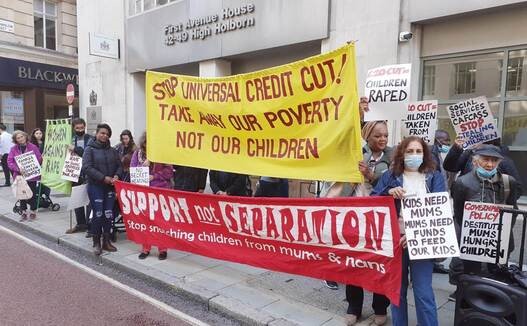
How do grassroots feminist organisations strategise relationships between mothers, parents, carers and their children based on respect and empowerment, in resistance to the practice of putting children in often the most uncaring of places – care.