Andrew Lampert
Andrew Lampert
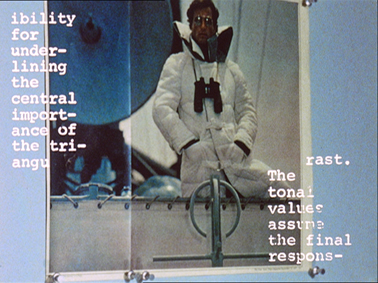
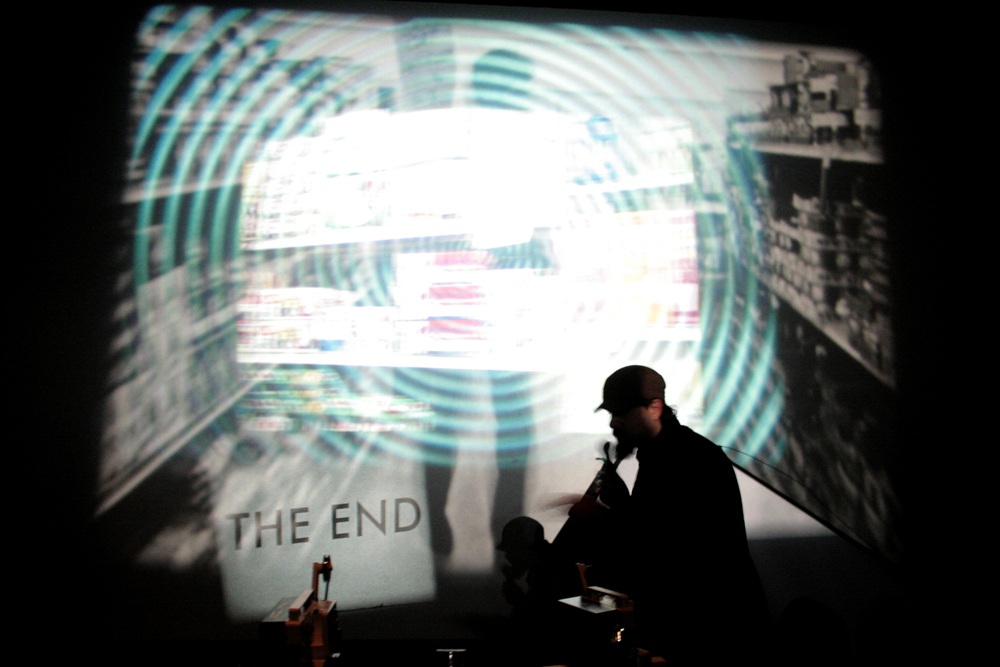
Quasi-theatrical multiple-projector pieces play with the relationship between performers, art and audiences.
Arika have been creating events since 2001. The Archive is space to share the documentation of our work, over 600 events from the past 20 years. Browse the archive by event, artists and collections, explore using theme pairs, or use the index for a comprehensive overview.
Quasi-theatrical multiple-projector pieces play with the relationship between performers, art and audiences.
A panel exploring the radical potential of technologies through fugitivity and opacity: their ability to obscure, to make it impossible for us to be known, to render us untraceable by every arm of the state even under the all-consuming spectre of surveillance capital.
Our favourite Lancashire-born autodictact asks what’s political about the tension between the individual and the collective in free jazz.
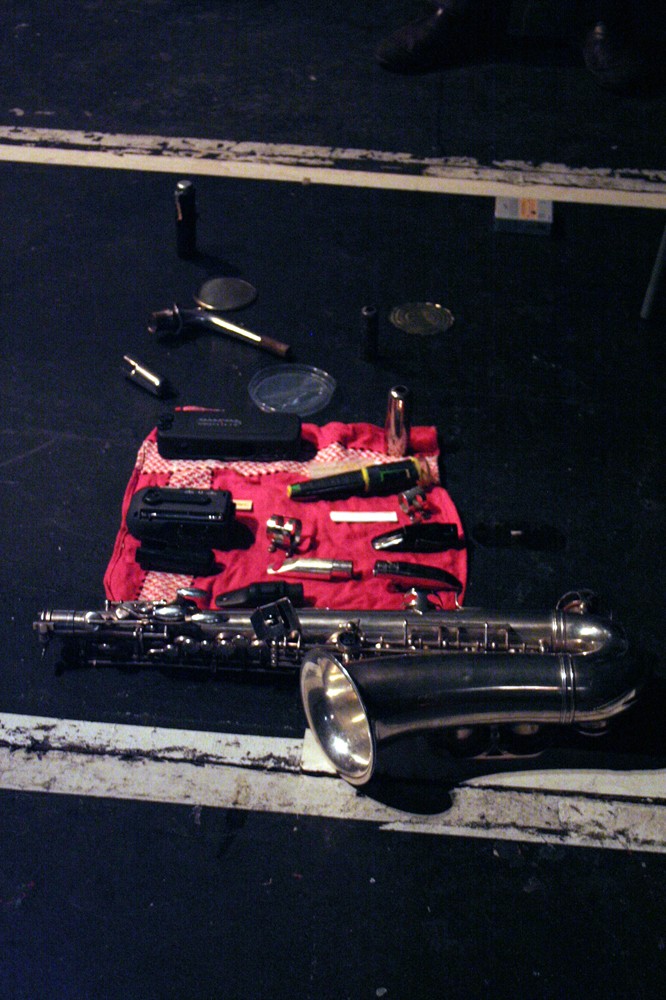
A saxophone. Handheld fans. Shrill squeaks. Splutters, gargling. An incredible diversity of sounds, intensely focused by an inventive musician.
Ian and Gil will host a discussion on the Argument project’s social and political commentaries, and with you try and maybe think through whether and how they might still have some currency today: what’s changed and what’s stayed the same?
Join Umbrella Lane and special guest migrant trans sex workers in a community discussion about the points of intersection in LGBT people’s rights and sex worker’s rights.
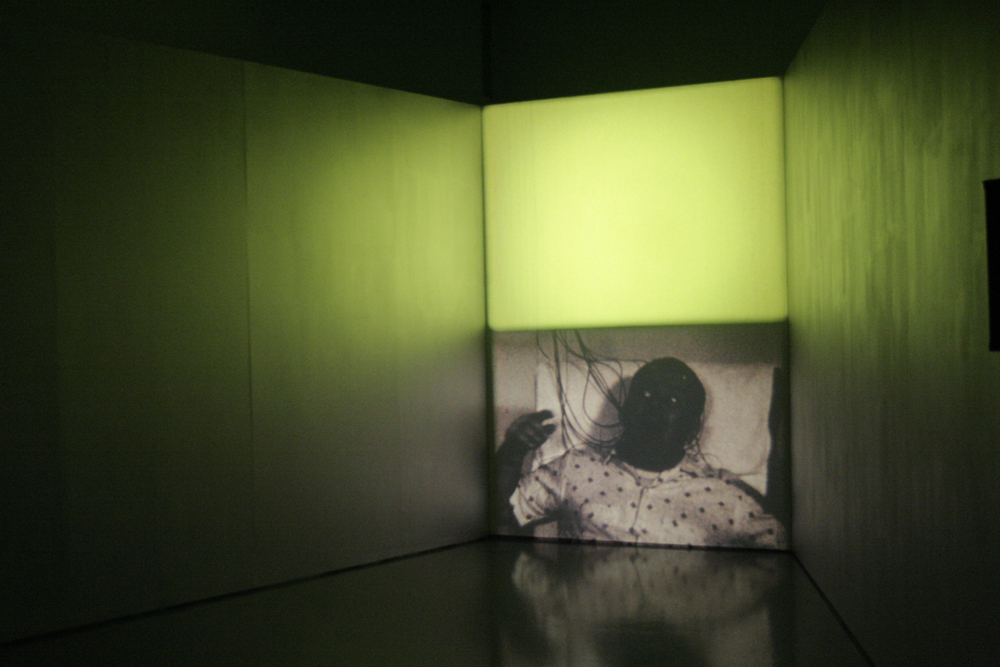
Paul Sharits one of the great experimental, sometimes called structuralist / materialist, filmmakers of the 20th Century.
A public gathering that brings together local artists, musicians, activists, and community organisers.
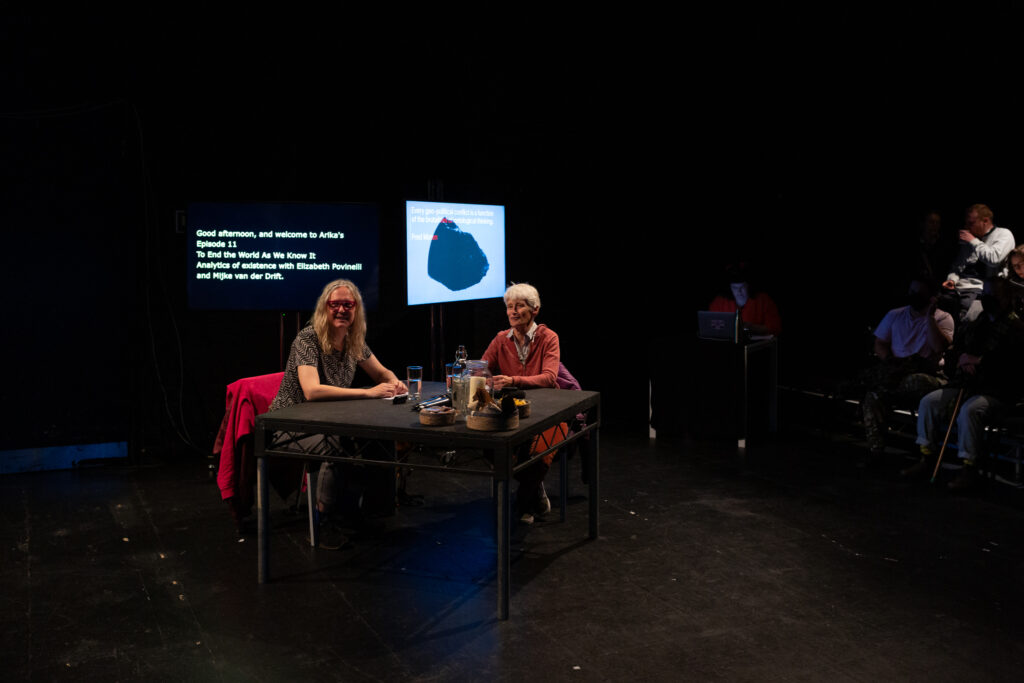
Elizabeth’s writing pulls apart toxic settler colonialism and the worldview used to justify it; working towards an alternative distribution of powers, so that ways of being otherwise can endure.
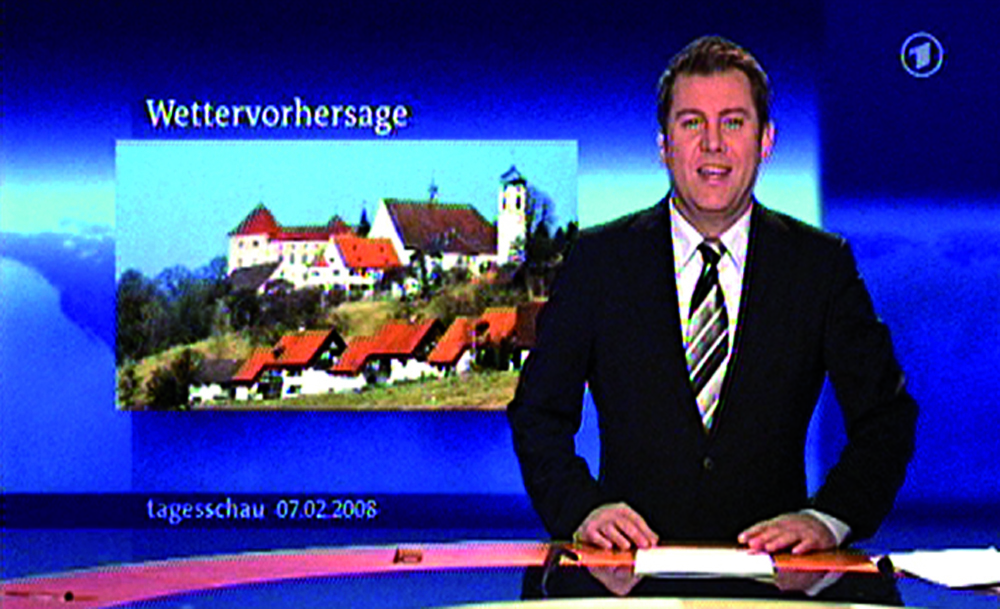
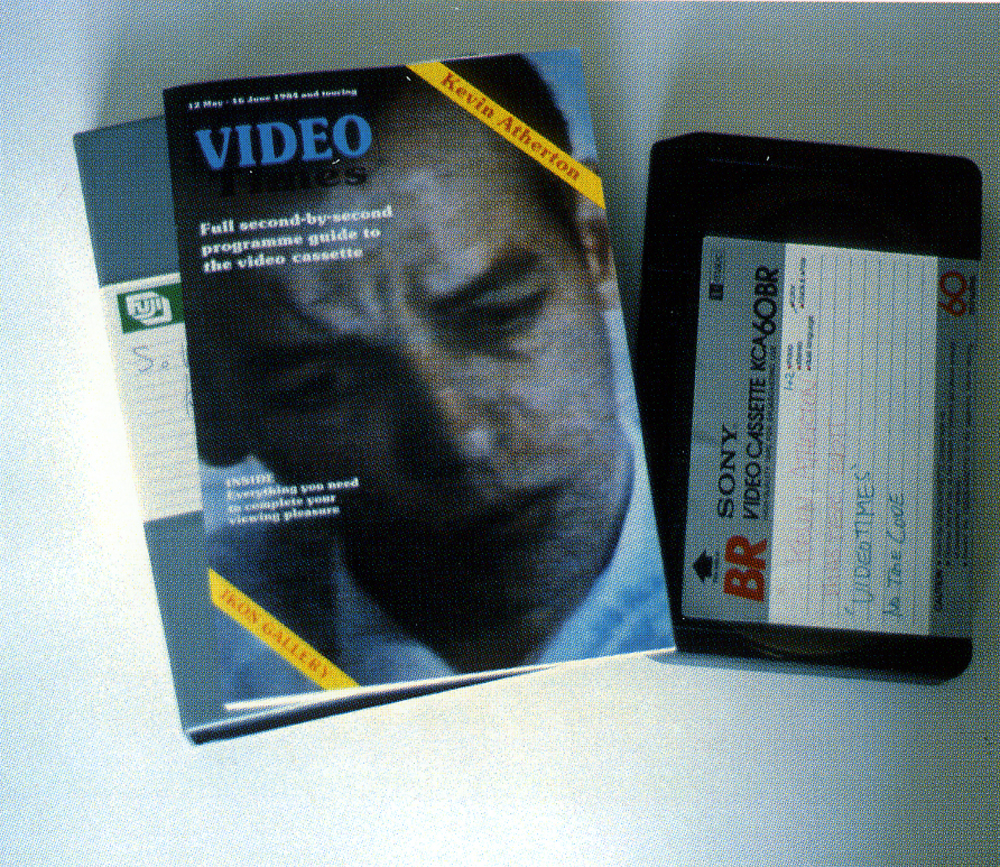
Conceived of as a dual publication, video cassette and booklet, to be presented as an installation. The content of the videotape is the artist watching television.
How does this practice, that simultaneously resists and honours the distinctions between these genres, materials and senses, determine the inhabitation of another: a convergence of aesthetic and social experimentation?