B-52
Hartmut Bitomsky
Hartmut is going to talk a little about his work at large and the politics of how his films are constructed. And we’ll screen one of his best films: B-52.
Arika have been creating events since 2001. The Archive is space to share the documentation of our work, over 600 events from the past 20 years. Browse the archive by event, artists and collections, explore using theme pairs, or use the index for a comprehensive overview.
Hartmut is going to talk a little about his work at large and the politics of how his films are constructed. And we’ll screen one of his best films: B-52.
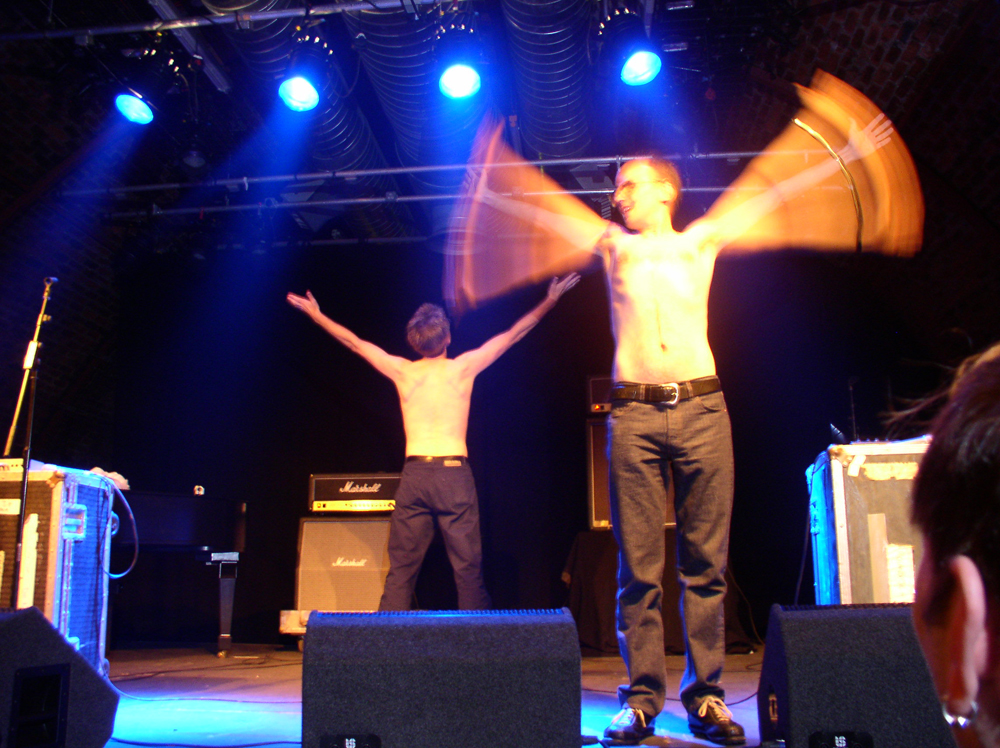
A performance for projectionist, musicians and audience, which plays with references to Oscar Levant and Gershwin: apparently a series of small doses of chaos.
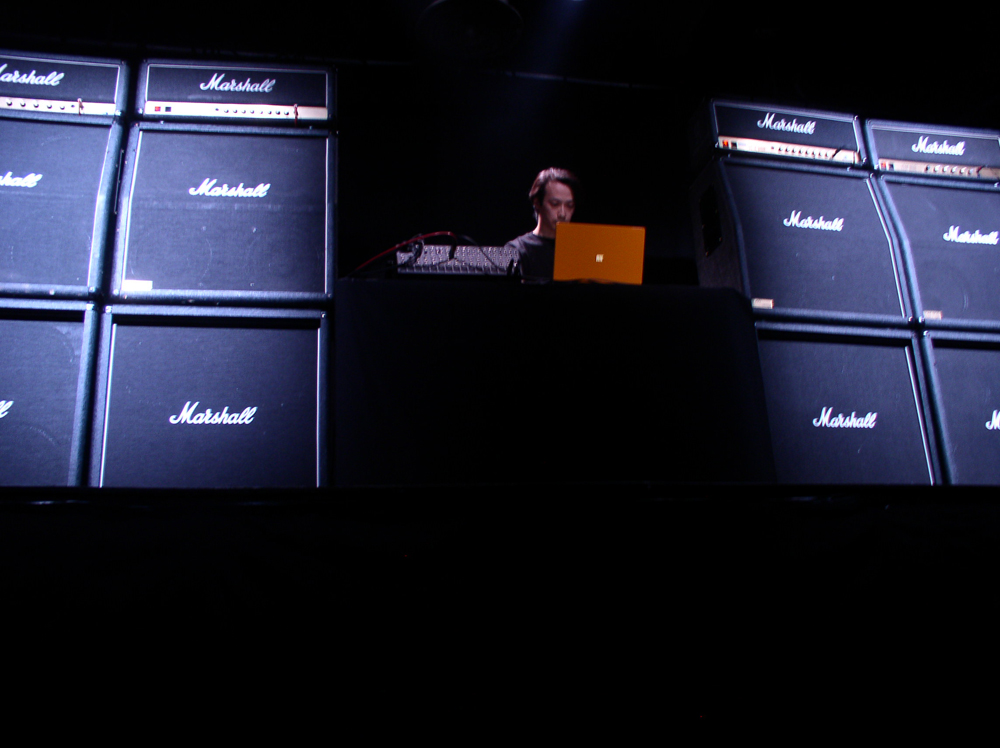
Three iconic figures from the Japanese underground assembled as a trio to stand in for the advertised duo of Junko and Jerome Noetinger who was unable to attend the festival due to illness.
Dworkin asks: What would a non-expressive poetry look like? A poetry of intellect rather than emotion?
A prison abolitionist punk video-poetry-music mash up about our fucked-up dystopian society, RoboCop, kids toys and criminality.
A 2-day workshop to deconstruct our classed experiences and the ways in which we reproduce the same class system we fight against, in order to create a stronger, more egalitarian Scottish art sector.
An audio report for the NATOarts board of directors that seeks to promote global security and stability through the exhibition of works of conceptual art.
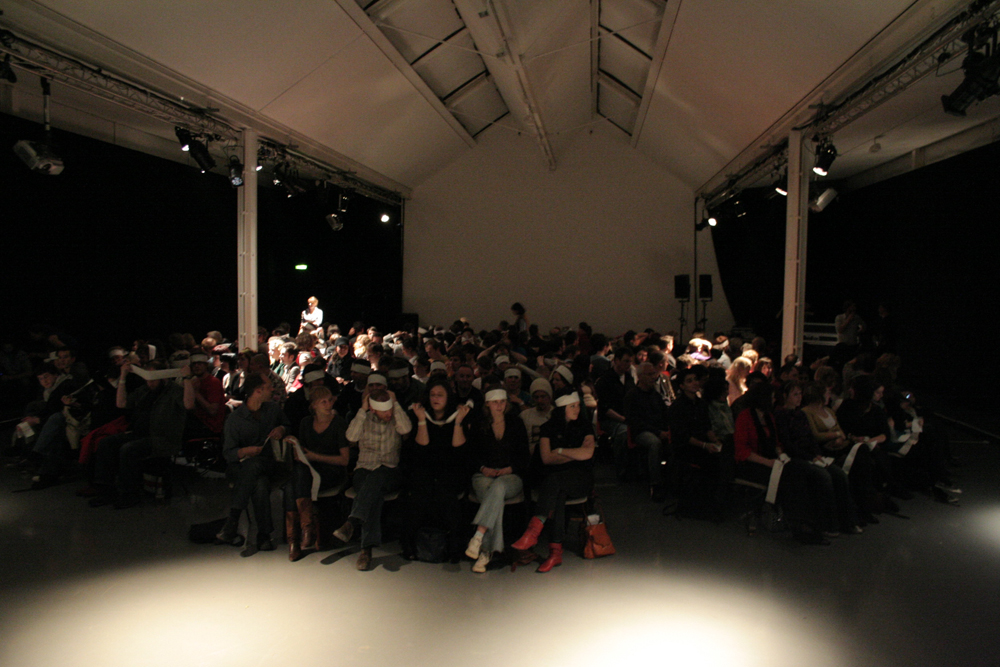
A performed self-cancelling discussion, with artists from the festival, invited speakers and local artists talking at once, over each other, or straining to be heard over the din.
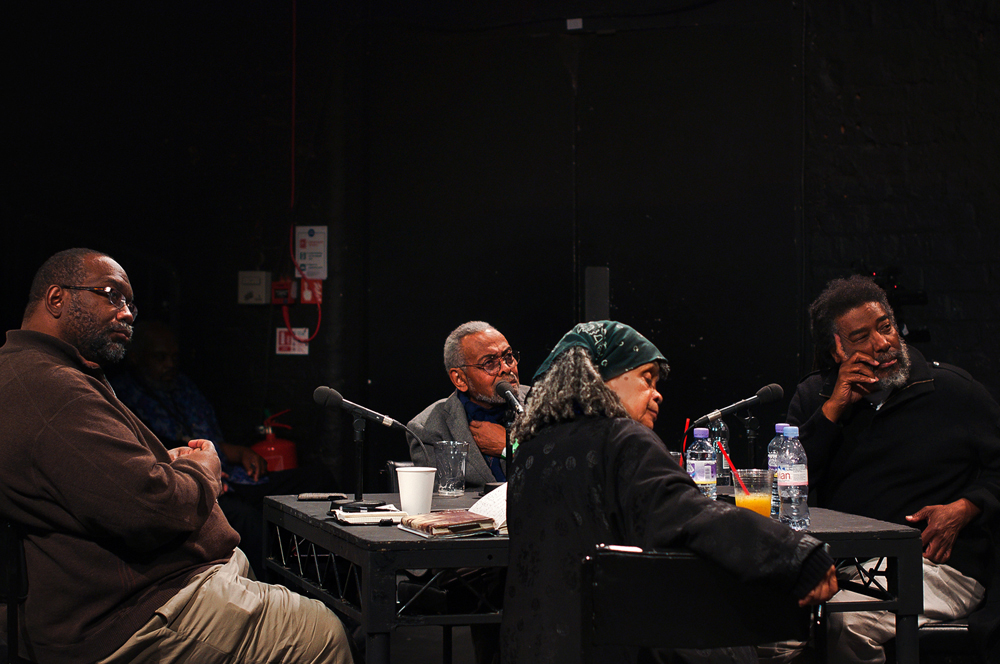
A chat with Rashad about the communist, conceptual methodology that informs his ground-breaking synthetic music—a form of speculative sonic fiction writing to produce hyperreal non-representational auditive experiences.
Jarringly beautiful and often maniacal expression of hallucinatory and very personal visions.
Instead of the one-way monologue of normal performance, what would be the result of an actual collective dialogue? Where would it go?
How might two of the great musicians working within contrasting traditions of freedom collaborate? What might this produce: musically, socially, allegorically?