Tugnet Ice House
Akio Suzuki John Butcher
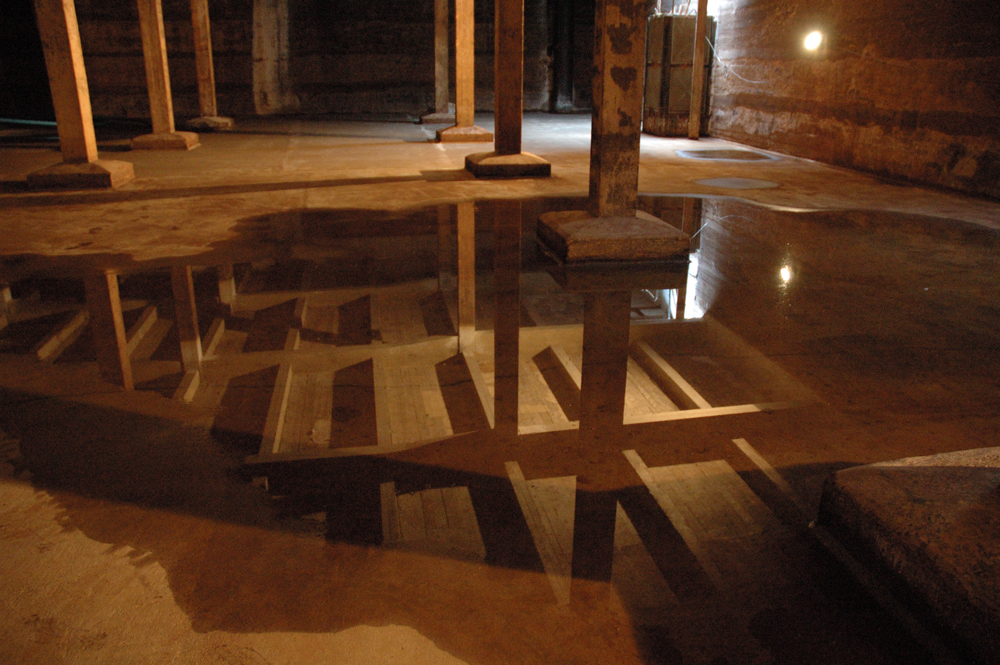
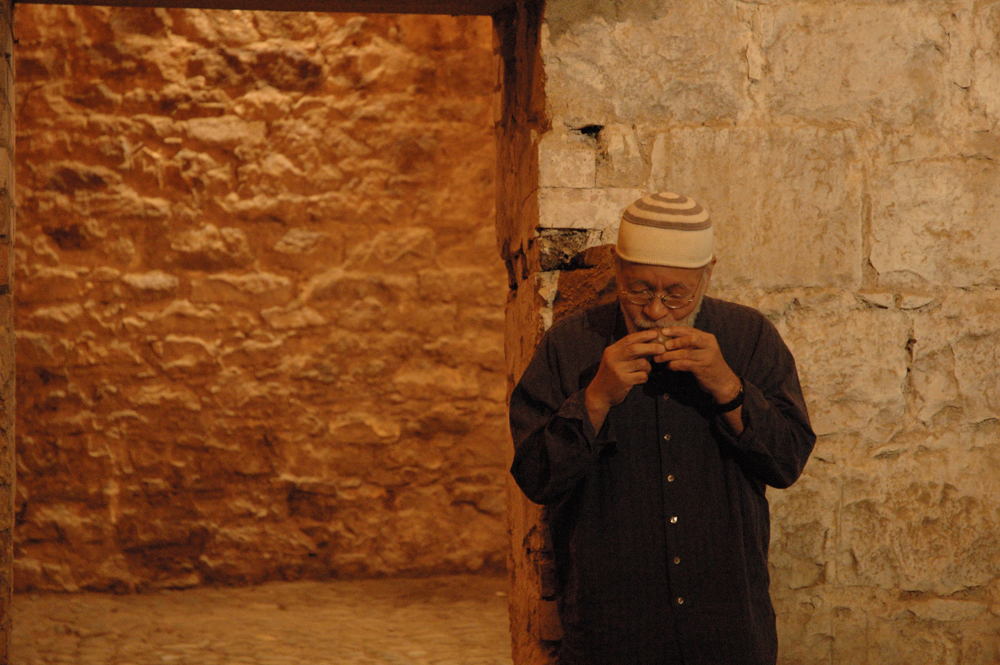
Akio Suzuki and John Butcher performing in a large multi chambered industrial ice house.
Arika have been creating events since 2001. The Archive is space to share the documentation of our work, over 600 events from the past 20 years. Browse the archive by event, artists and collections, explore using theme pairs, or use the index for a comprehensive overview.
Akio Suzuki and John Butcher performing in a large multi chambered industrial ice house.
A silent performance of (musical) reverberation.
Captures the creak and rustle of the forest, with an exhilarating tension let loose in unconfined maniacal and bare-knuckle group thinking.
Akio Suzuki and John Butcher performing in an old underground reservoir in Fife.
Dir: Maurizio Lazzarato & Angela Melitopoulos
A filmic constellation exploring Felix Guattari’s anti-patriarchal, anti-colonialist, anti-psychiatric, animist ideas of care and the self. And an Introduction to the Episode.
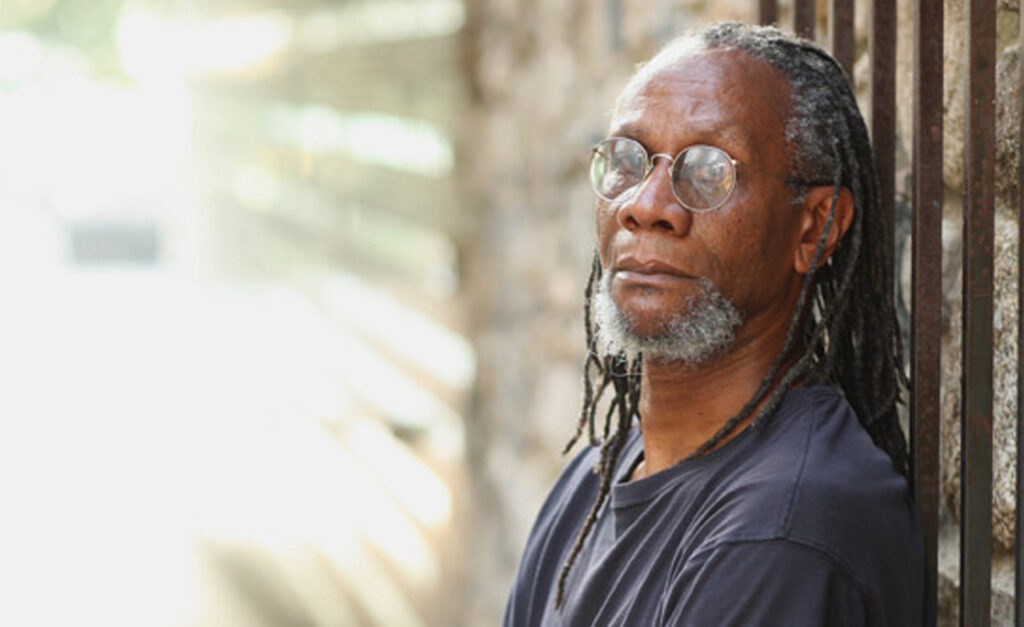
“Mackey composes realist-mythic layering of lyrical prose unlike anything being written today.” — New York Times. “Our greatest living epic poet…Mackey’s poetry and criticism have reinvented modernism for our time.”— LitHub
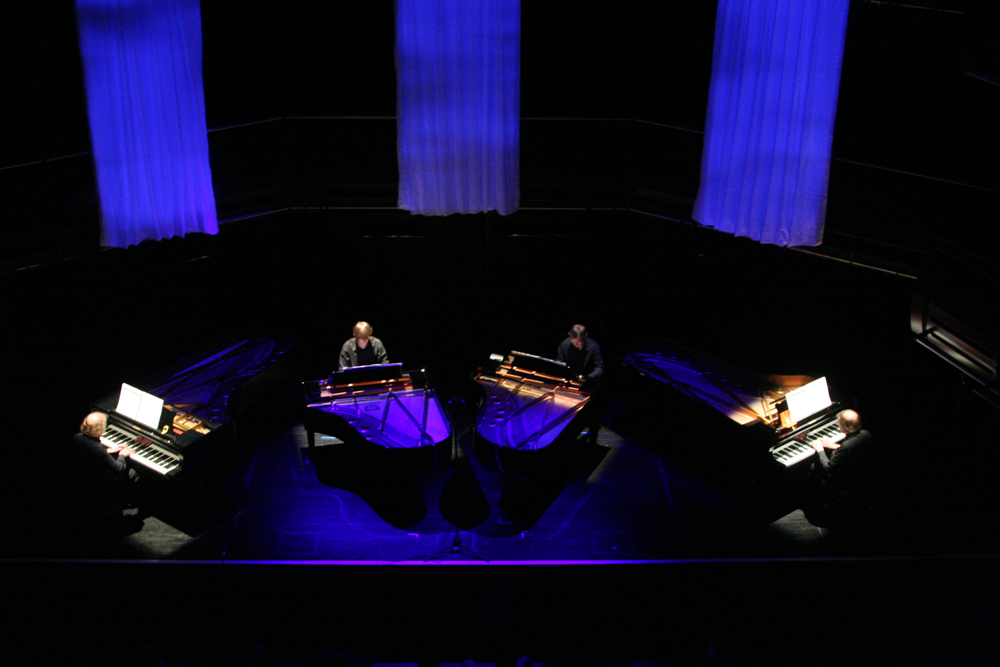
Julius Eastman’s Evil Nigger for 4 pianos performed by Joe Kubera, Kate Thompson, David Murray, Alan Fearon and Simon Passmore.
A panel exploring the radical potential of technologies through fugitivity and opacity: their ability to obscure, to make it impossible for us to be known, to render us untraceable by every arm of the state even under the all-consuming spectre of surveillance capital.
Voguing, drag, clubbing, and the politics of communities making different performances of gender and sexuality visible.
Glasgow. Free-playing quartet of bass/ cello/ voice from The Glasgow Improvisors Orchestra and Age Of Wire & String.
These simple, one-take videos, relate personal experiences to the current conflicts in the Middle East via the most basic of means (a hotel room, a camcorder, John’s personal thoughts, concerns and convictions).
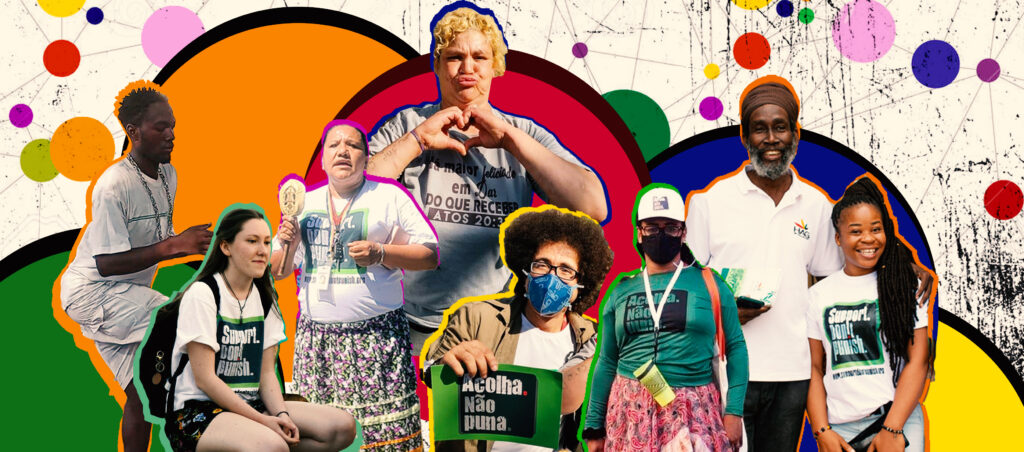
Rather than asking the state for services, what kinds of change are made possible when we prioritise people supporting each other?