Zong!
M. NourbeSe Philip
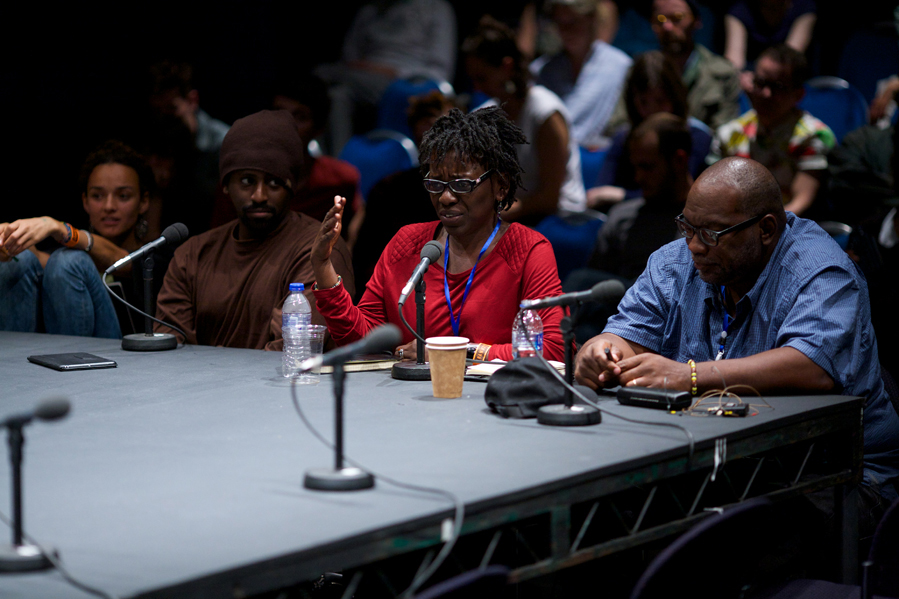
Can a collective performance of NourbeSe’s poem of black life as it exceeds containment enact alternative forms of selfhood that emerge in and out of African diasporic experience?
Arika have been creating events since 2001. The Archive is space to share the documentation of our work, over 600 events from the past 20 years. Browse the archive by event, artists and collections, explore using theme pairs, or use the index for a comprehensive overview.
Can a collective performance of NourbeSe’s poem of black life as it exceeds containment enact alternative forms of selfhood that emerge in and out of African diasporic experience?
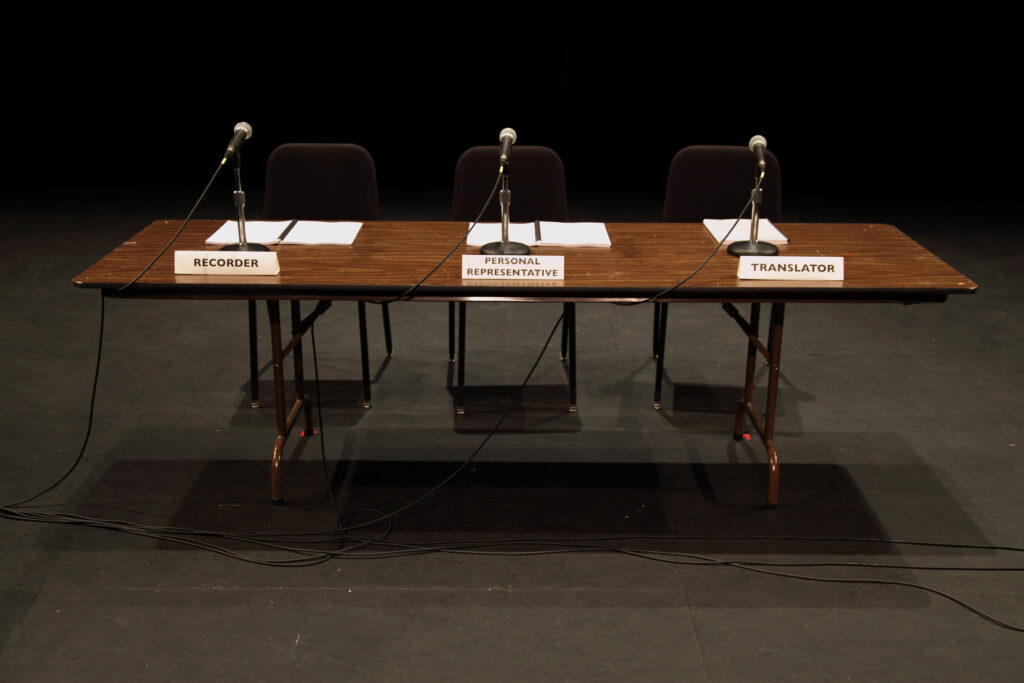
Somewhere between performance, stripped down theatre and an intense kind of public learning or maybe even a public hearing.
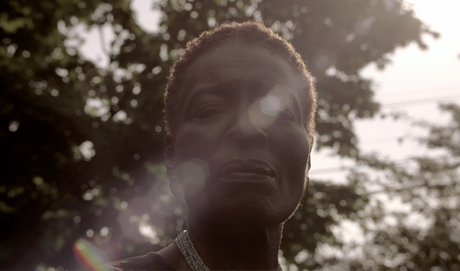
A landmark film on black life – a poetic filmic constellation of meditations, fragments and interviews on what it means to be black in America in the 21st century, from one of its great cinematographers.
Four intimate 45 minute sessions, readings of your political questions – using Tarot, Palmistry, Reiki, Astrology, and Philosophy, and the invented methods of Fake and Political Therapy.
A festival asking how ideas of nihilism, darkness, subjectivity and abjection play out in experimental music, performance art, horror, neuroscience and philosophy?
Join Ståle Holgerson to discuss his new book Against the Crisis, hosted by Glasgow Housing Struggle Archive
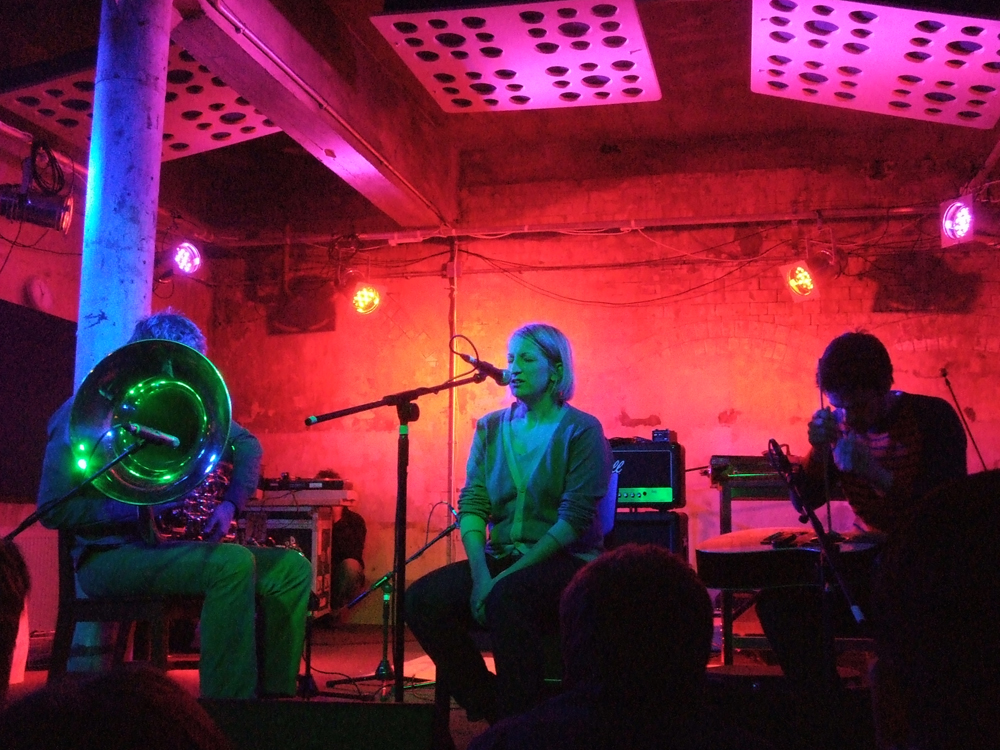
Sparse and miniature free thought workouts involving guitar, vocals and tuba.
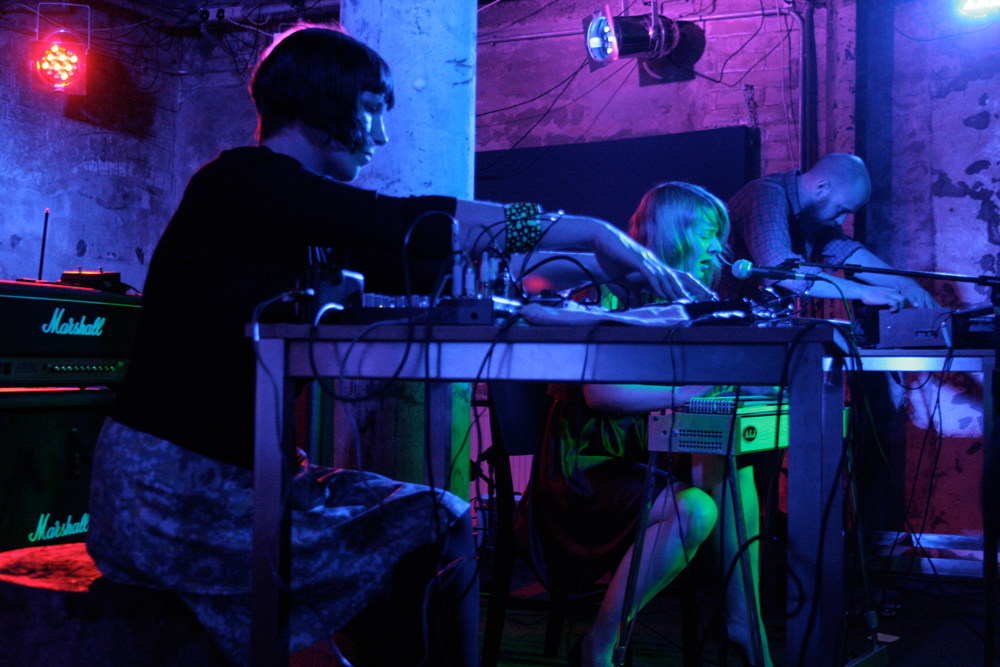
Goofily deformed, deeply thought vocal jams: like the sound of your own breath rushing through your head.
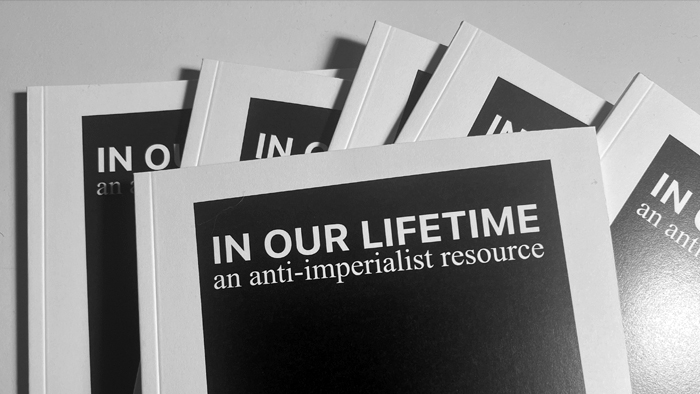
IN OUR LIFETIME, is an anti-imperialist resource, edited by Hussein Mitha, produced by Arika for Episode 11, featuring poetry, essays, questions, prompts, letters and works of anti-colonial imaginary.
A discussion about what is at stake in the performance of realness and the practice of passing, and how they are both acts of survival and resistance.
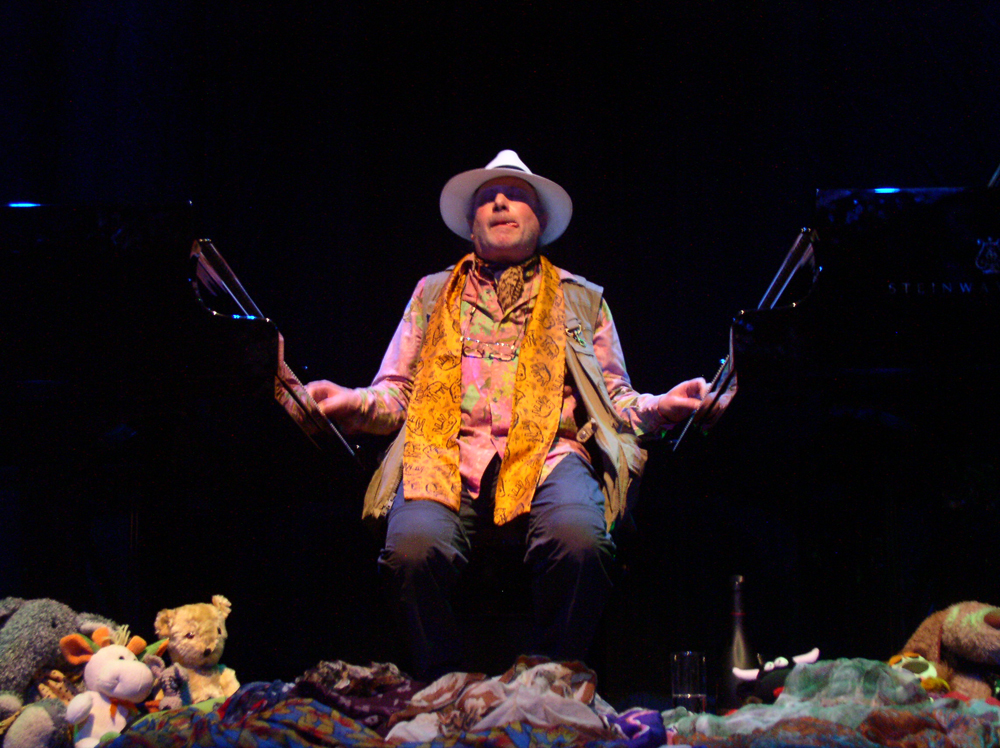
An extravagant debauch of huge pianos, plush toys, cognac and ritual.
Dworkin asks: What would a non-expressive poetry look like? A poetry of intellect rather than emotion?