Episode 5: Hidden in Plain Sight
Voguing, drag, clubbing, and the politics of communities making different performances of gender and sexuality visible.
Arika have been creating events since 2001. The Archive is space to share the documentation of our work, over 600 events from the past 20 years. Browse the archive by event, artists and collections, explore using theme pairs, or use the index for a comprehensive overview.
Voguing, drag, clubbing, and the politics of communities making different performances of gender and sexuality visible.
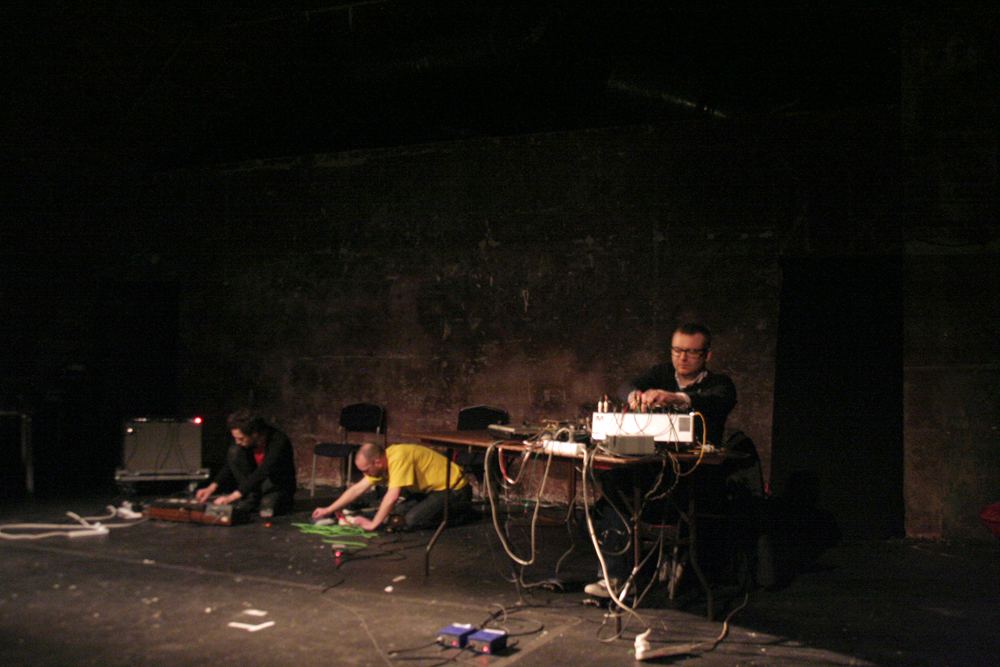
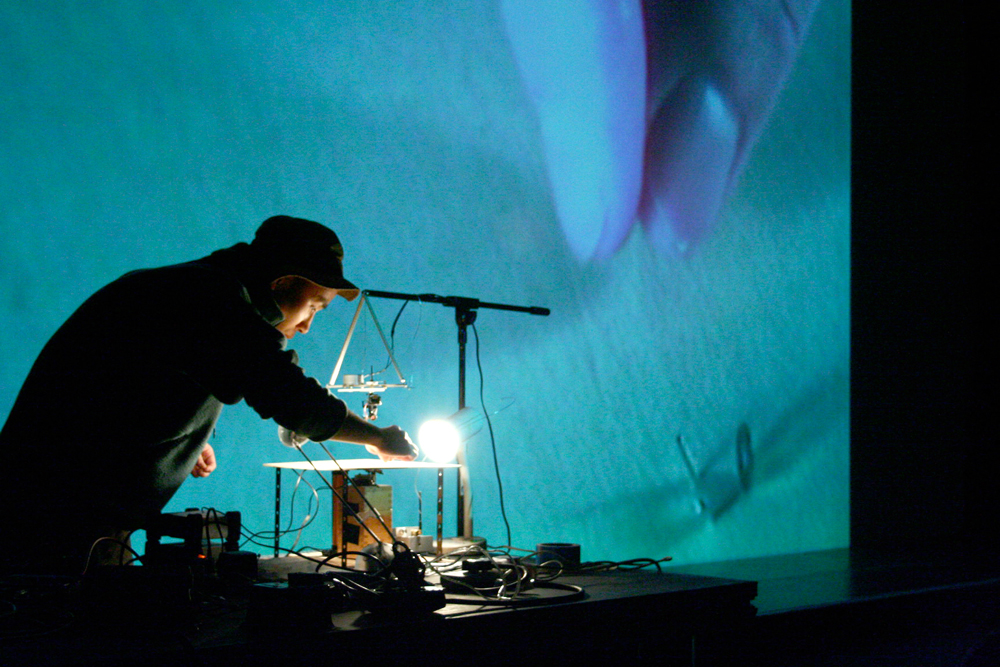
Kanta is a young Japanese artist with a home-made, short circuited take on electronics and physical phenomena which he uses in performance to produce close circuit systems of audio / video feedback.
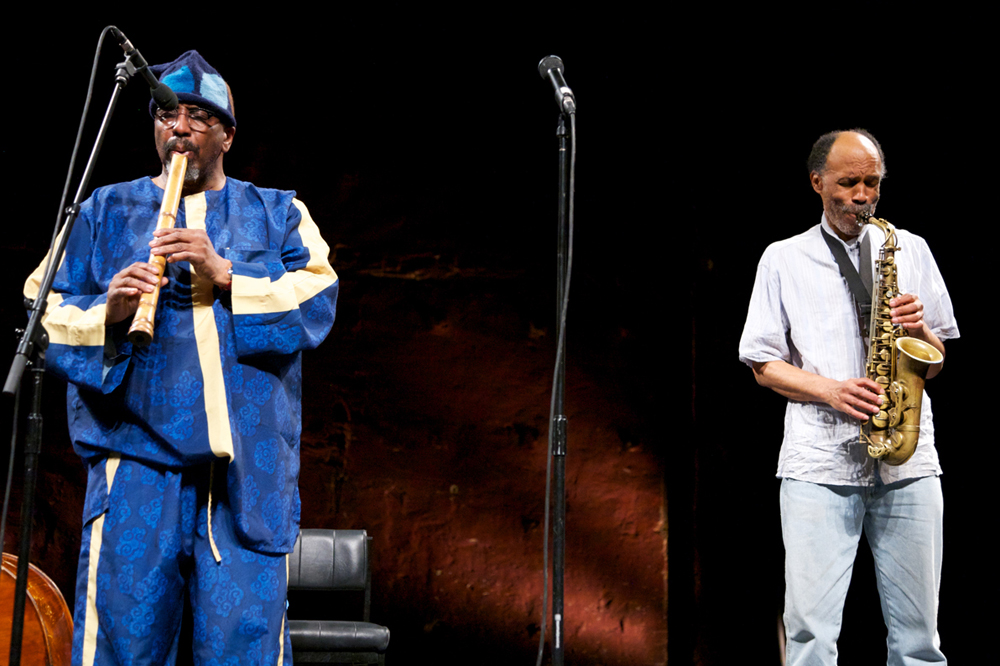
What might Carter and Parker’s collaboration tell us about our own performances of responsibility and liberty, whether individual, social or musical?
Miniscule free-noise hissy-fits and broken instrument scrape/ squeal jams from the fools what brought you Giant Tank.
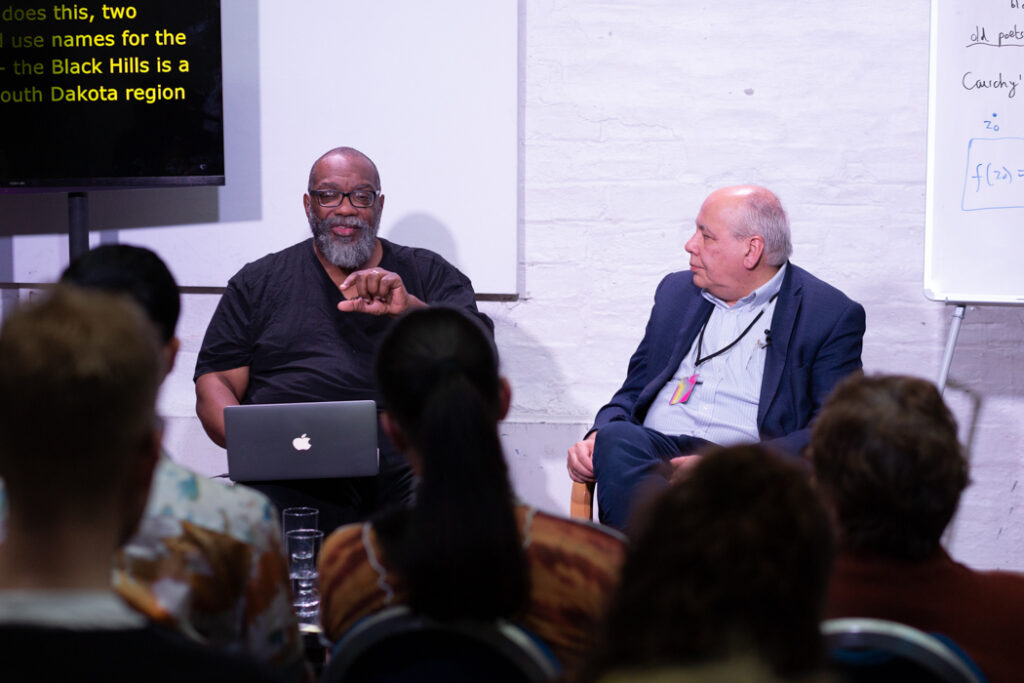
A back and forth between Fred and Fernando on the transits and obstructions between mathematics and poetics, and how both help us to think from the other side.
Blood Stereo & Ludo Mich: linking past and present generations of DIY intuitive expression in a post fluxus ‘big mess’.
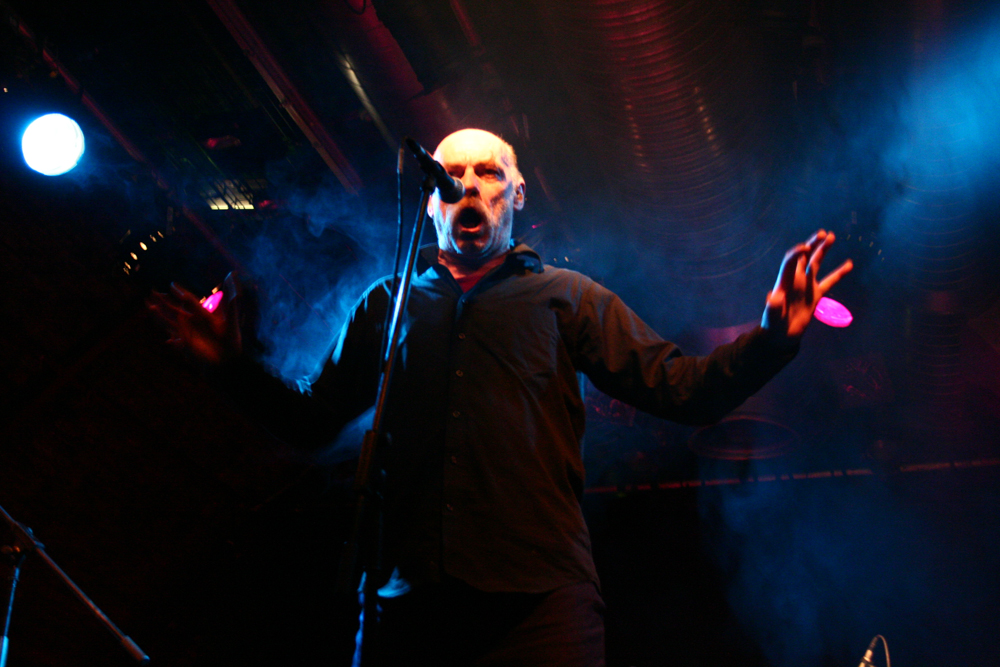
Droner responsible for Fordell Research Unit, Muscletusk’s murk manipulator and Metzian concrete-mixer cement international relations and yr heids.
Arika is proud to be one of several arts organisations in Scotland supporting the commissioning of a radical new manifesto, by and for disabled artists working in Scotland.
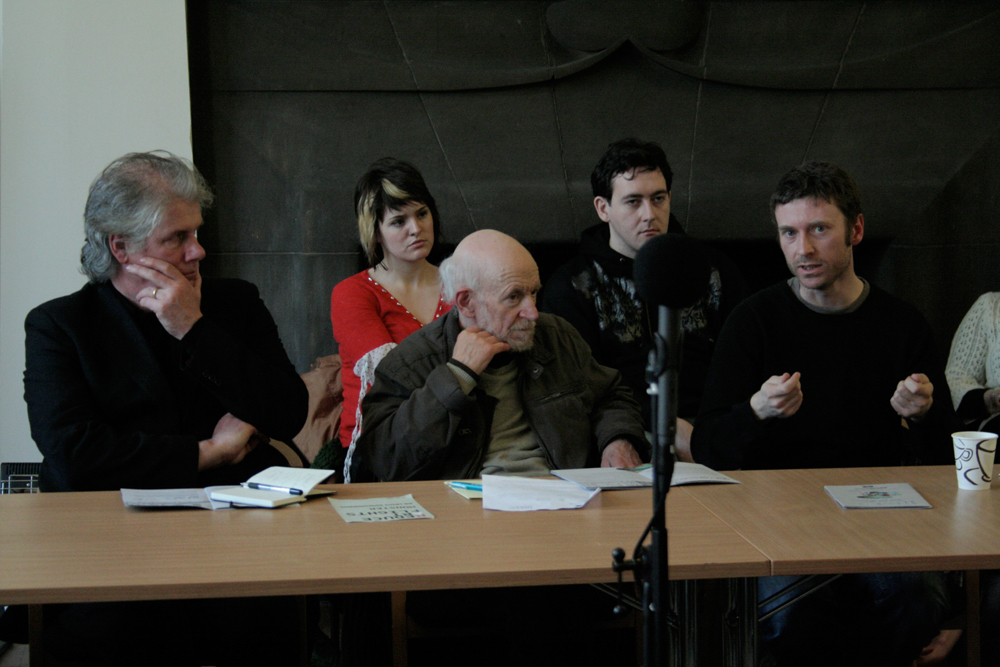
A performed self-cancelling discussion, with artists from the festival, invited speakers and local artists talking at once, over each other, or straining to be heard over the din.
If life is assaulted by power, where do we find spaces for living? A conversation with Peter Pál Pelbart.
Each organ is unique. The project is to find out what makes it unique.
How do you know what you want? Should freedom be doing what you ought, not doing what you want? How might a philosopher and artist turn this thinking into an enabling condition in the context of noise and improvisation?