Based on a True Story – 1986
Rashad Becker
The most sophisticated synthetic music around: timbrally otherwise body music as sonified fictions and auditive sociograms.
Arika have been creating events since 2001. The Archive is space to share the documentation of our work, over 600 events from the past 20 years. Browse the archive by event, artists and collections, explore using theme pairs, or use the index for a comprehensive overview.
The most sophisticated synthetic music around: timbrally otherwise body music as sonified fictions and auditive sociograms.
A festival asking how ideas of nihilism, darkness, subjectivity and abjection play out in experimental music, performance art, horror, neuroscience and philosophy?
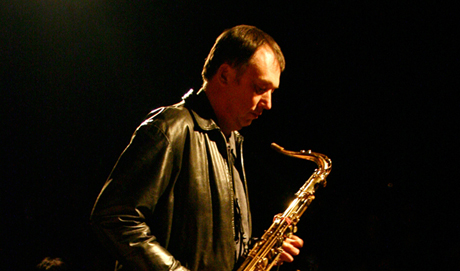
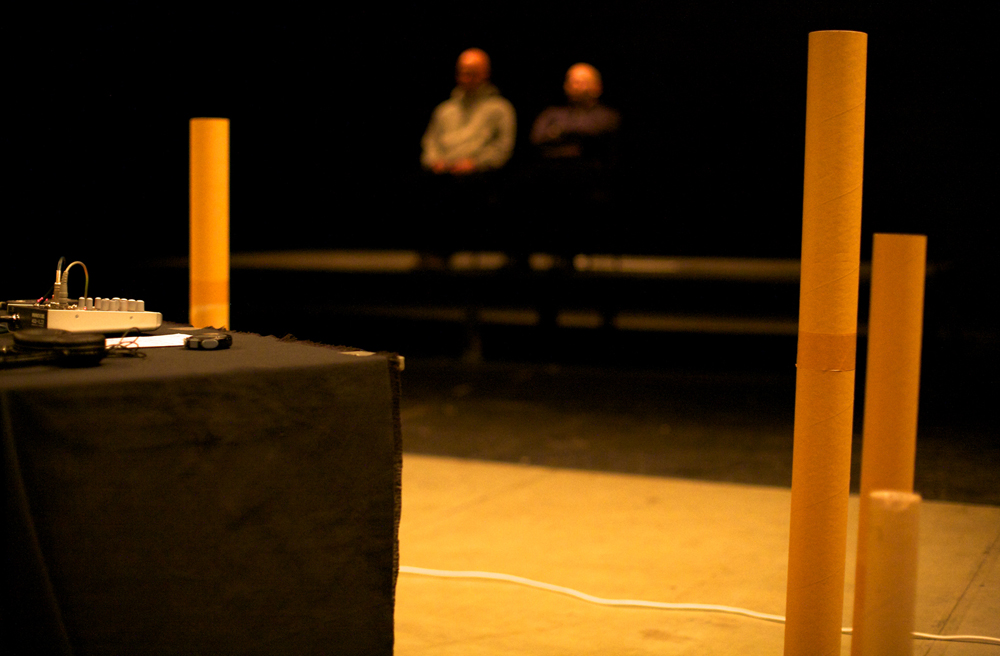
John Butcher plays and manipulates a feeding back saxophone. Benedict Drew on electronics, broken cables and standing waves.
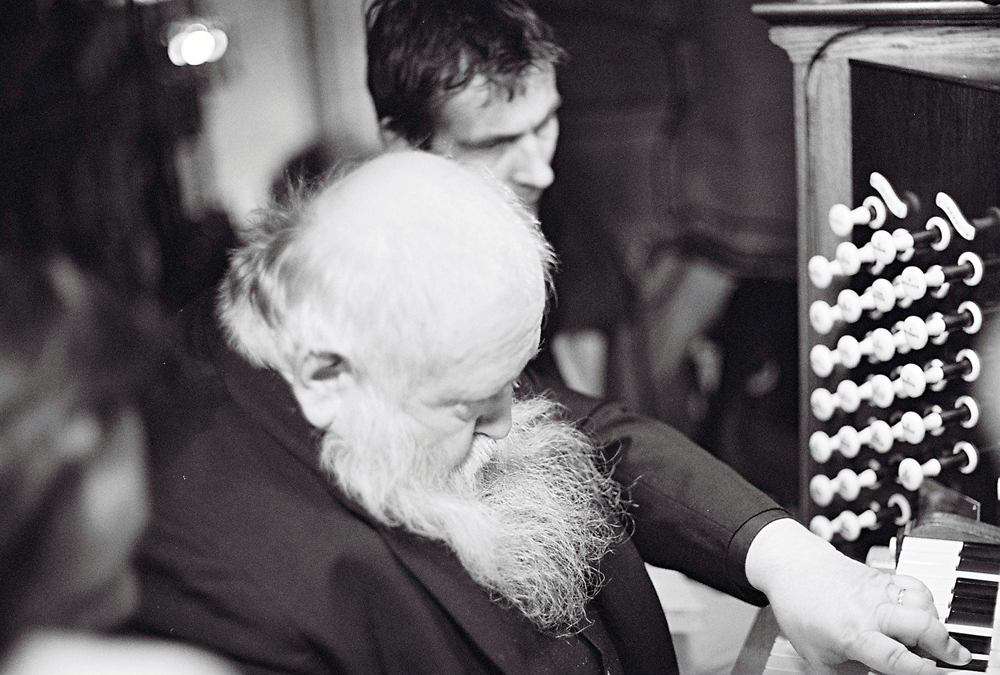
A specially commissioned performance for organ. “The course of the stars were to be put to sound.”
Captures the creak and rustle of the forest, with an exhilarating tension let loose in unconfined maniacal and bare-knuckle group thinking.
Juliana’s performances chart the dissonant space and discrepancy between the presumed fixed norms of social life and the fluid lived experience those norms don’t allow for.
An improvised film about our worlds at the brink, on the edge, in front of a crisis. To stand on the side of life, by seeing the resistance to genocide in Palestine as a turning point to overcome.
Join Brian as he ruminates on the history of how experimental filmmakers and sound artists have drifted into and taken over galleries in order to show their work.
Politicised fan-fiction chronicling working class gay urban space and fantasy.
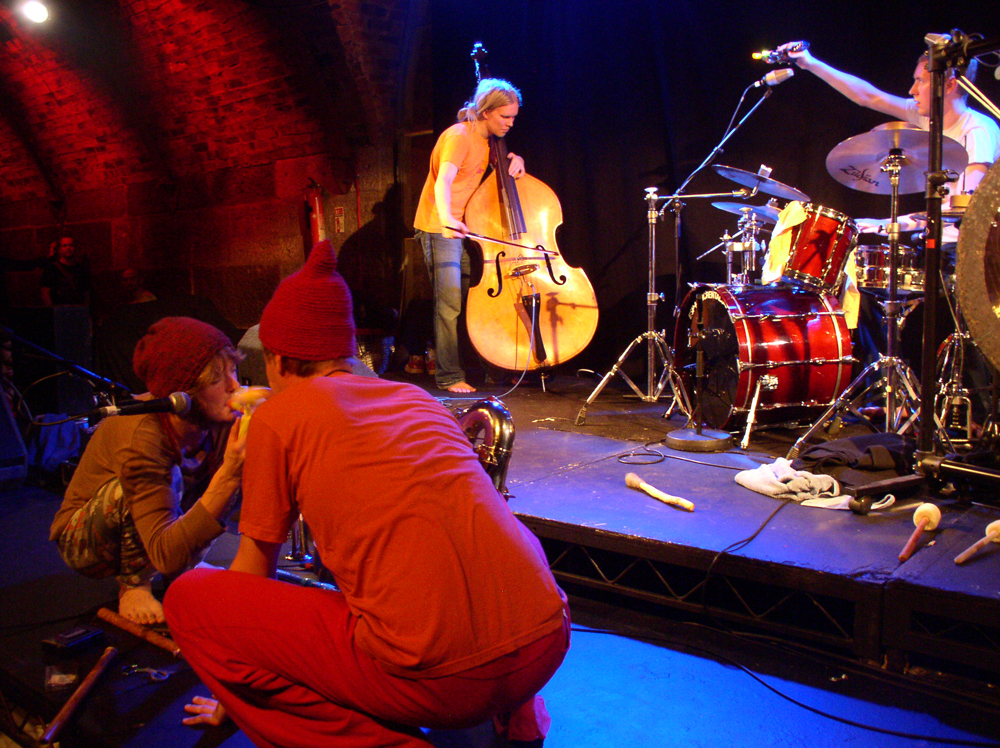
Intriguing, underground, Berlin based musicians interested in the borders between music and theatre, language, the visual arts, politics.
Underlying radical transfeminism, as an urgent critique of binary essentialism and fixed identities, is the call for a new kind of thinking that can move between and integrate the truths of all lives in their transformations.
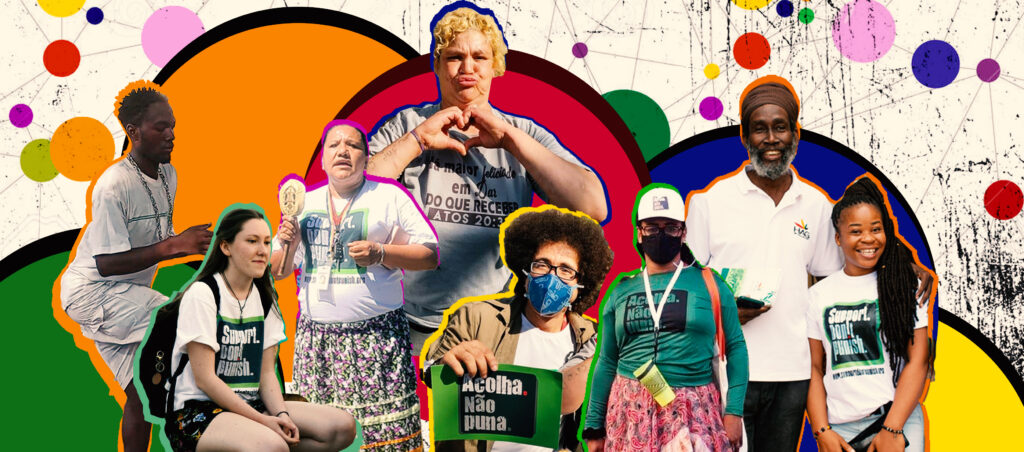
Rather than asking the state for services, what kinds of change are made possible when we prioritise people supporting each other?